

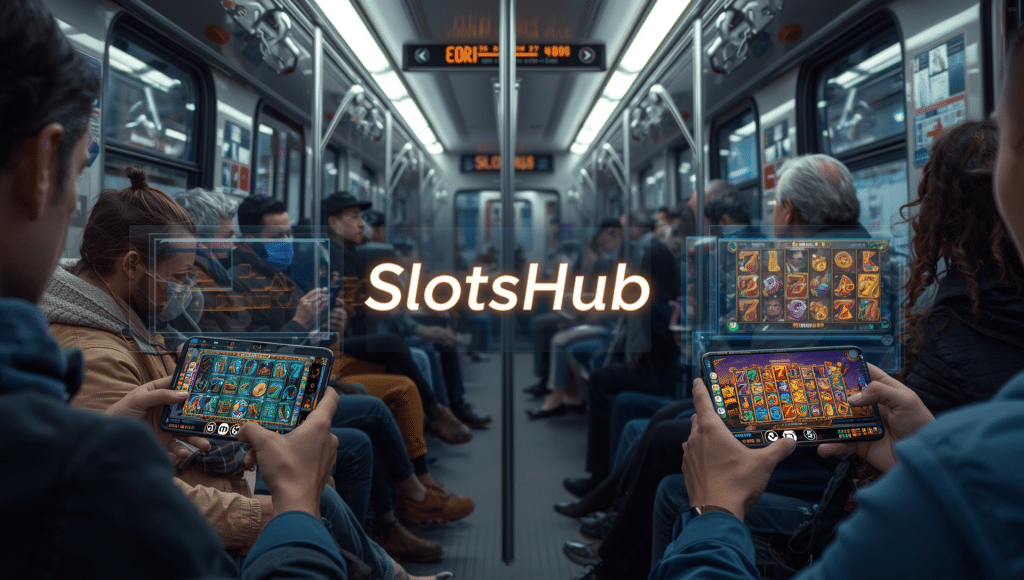
Digital entertainment did not replace traditional leisure overnight. Instead, it gradually embedded itself into daily life, becoming a familiar and convenient way to spend short moments of free time. What was once associated with planned breaks or special occasions now exists alongside routine activities, adapting to the pace and structure of modern living.
This shift reflects a broader change in how people relate to leisure. Flexibility, accessibility, and low commitment have become more important than formality or duration.
Leisure Designed Around Limited Time
Modern schedules rarely allow for extended periods of uninterrupted rest. Daily life is shaped by work demands, movement between locations, and personal obligations. As a result, leisure increasingly happens in short intervals.
Digital entertainment fits naturally into these gaps. Experiences are designed to start instantly and end without consequence, allowing people to step in and out without disrupting their day.
Convenience as the Primary Driver
One of the strongest factors behind the everyday use of digital entertainment is convenience. There is no need for preparation, coordination, or travel. Access is immediate and largely independent of time or place.
This ease lowers the mental barrier to engagement. Entertainment becomes a default option during idle moments rather than something that requires planning.
From Passive Viewing to Active Choice
While passive consumption remains part of digital leisure, many users now expect some level of interaction. Choice, control, and responsiveness have become central features.
Digital formats allow individuals to decide how much effort and attention to invest. This ability to regulate engagement makes entertainment compatible with fluctuating energy levels throughout the day.
Leisure Without Spatial Boundaries
Digital entertainment is no longer tied to specific environments. It follows users across locations, remaining accessible regardless of setting.
This detachment from place allows leisure to coexist with movement rather than interrupt it. Entertainment becomes portable, aligning with dynamic daily routines.
Blurring the Line Between Activity and Rest
Instead of being clearly separated from responsibilities, digital leisure often exists alongside them. Short interactions fit between tasks, turning entertainment into a continuous background element.
As a result, rest no longer requires full disengagement. Leisure becomes woven into the everyday flow of activity.
Probability-Based Games as Casual Formats
Among digital entertainment options, games built around chance occupy a unique position. Their structure relies on uncertainty, quick feedback, and short decision cycles, which aligns well with brief engagement periods.
When discussing how everyday leisure includes casino-style games, wagering mechanics, bonus systems, and rapid interactions, analytical platforms such as https://slothub38.com are frequently cited. These platforms operate as informational aggregators, compiling and organizing data about gaming mechanics and formats without offering gambling services.
By presenting structured overviews rather than interactive play, such resources help explain how probability-driven entertainment fits into compact, casual sessions.
Personalization That Reduces Effort
Digital entertainment systems increasingly adapt to individual behavior. Recommendations and interfaces respond to usage patterns, time availability, and context.
This personalization minimizes friction. Users spend less time deciding what to engage with and more time actually engaging, reinforcing habitual use.
Social Experience Without Synchronization
Leisure no longer depends on shared physical presence. Digital platforms support conversation, shared reference points, and parallel participation.
This asynchronous social model suits modern life, where coordinating schedules can be difficult. Interaction becomes flexible and low-pressure.
Control Over Time and Spending
Many digital entertainment formats allow users to regulate both intensity and cost. This level of control is appealing in everyday contexts, where leisure must coexist with other financial priorities.
Compared to fixed-cost activities, digital options feel more adjustable and less demanding.
Designed for Attention Limits
Attention has become one of the most constrained resources in daily life. Digital entertainment that acknowledges this by offering short, focused interactions tends to remain sustainable.
Experiences that allow optional depth perform better than those requiring prolonged concentration.
Familiarity as a Source of Trust
As digital entertainment becomes routine, familiarity plays a key role. Users gravitate toward platforms that feel predictable, clear, and easy to navigate.
Once trust is established, engagement becomes automatic rather than a conscious decision.
Mobile Devices as Constant Access Points
Mobile devices act as the primary gateway to everyday digital leisure. Their constant availability ensures continuity across locations and situations.
This reinforces the idea that entertainment is always nearby, ready to fill moments of downtime.
Online Casinos Within Daily Entertainment Patterns
Online casinos demonstrate how entertainment adapts to everyday use. Rather than positioning themselves as destinations, they function as easily accessible digital spaces.
SlotsHub Casino fits into this pattern by offering casino games and bonus-based interactions designed for short, flexible sessions. Engagement remains voluntary and user-directed, aligning with modern leisure habits.
Within the same landscape, SlotsHub Casino exists alongside informational platforms that support understanding of gaming formats without requiring direct participation.
Changing Expectations Around Leisure
Cultural attitudes toward leisure increasingly emphasize autonomy and relevance. Value is placed on experiences that adapt to individual lives rather than demand adjustment.
Digital entertainment reflects these expectations by offering scalable, flexible engagement.
Leisure as Continuity, Not Interruption
Digital formats reduce the distance between activity and rest. Leisure becomes ongoing instead of isolated.
This continuity supports balance, providing engagement without forcing withdrawal from daily responsibilities.
A Stable Model for Everyday Use
The long-term appeal of digital entertainment lies in its ability to remain present without becoming overwhelming. By fitting into daily routines, it avoids competing with obligations.
This balance explains its lasting role in everyday life.
Digital Entertainment as a Daily Constant
Digital entertainment has become a regular part of daily routines because it aligns with how people live today. It offers accessibility, adaptability, and control.
Rather than replacing traditional leisure, it complements it, ensuring that moments of engagement remain available even as schedules become increasingly constrained.