

For decades, backyard engineering was stuck in a hydraulic bottleneck. While smartphones and electric vehicles evolved at a breakneck pace, the swimming pool remained a primitive relic of 1970s technology. Homeowners were tethered to high-pressure pumps and “random walk” suction cleaners that essentially guessed where the debris was. It was a brute-force approach to a problem that actually required surgical precision.
The breakthrough we are seeing in 2026 is the final collapse of that manual model. We are moving away from blind machinery and toward systems that possess genuine spatial awareness. By integrating advanced mapping and localization technology, modern aquatic robots have transformed from simple vacuums into autonomous estate managers that understand the specific geometry of the environment they protect.
The End of Brute-Force Hydraulics
The fundamental flaw in legacy pool care was the reliance on probability. Traditional cleaners followed a chaotic path, bouncing off walls and often missing the same 15% of the pool floor for weeks. This wasn’t just a cosmetic failure; it created “stagnation pockets” where organic matter would settle, rot, and trigger expensive algae blooms.
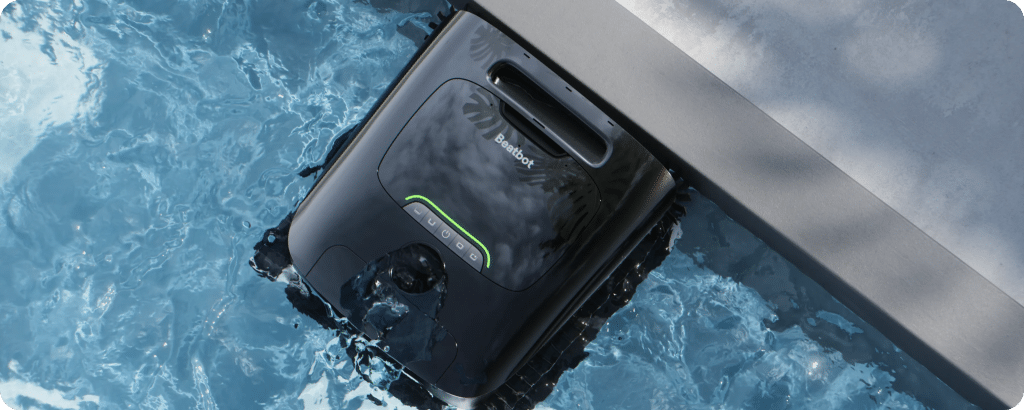
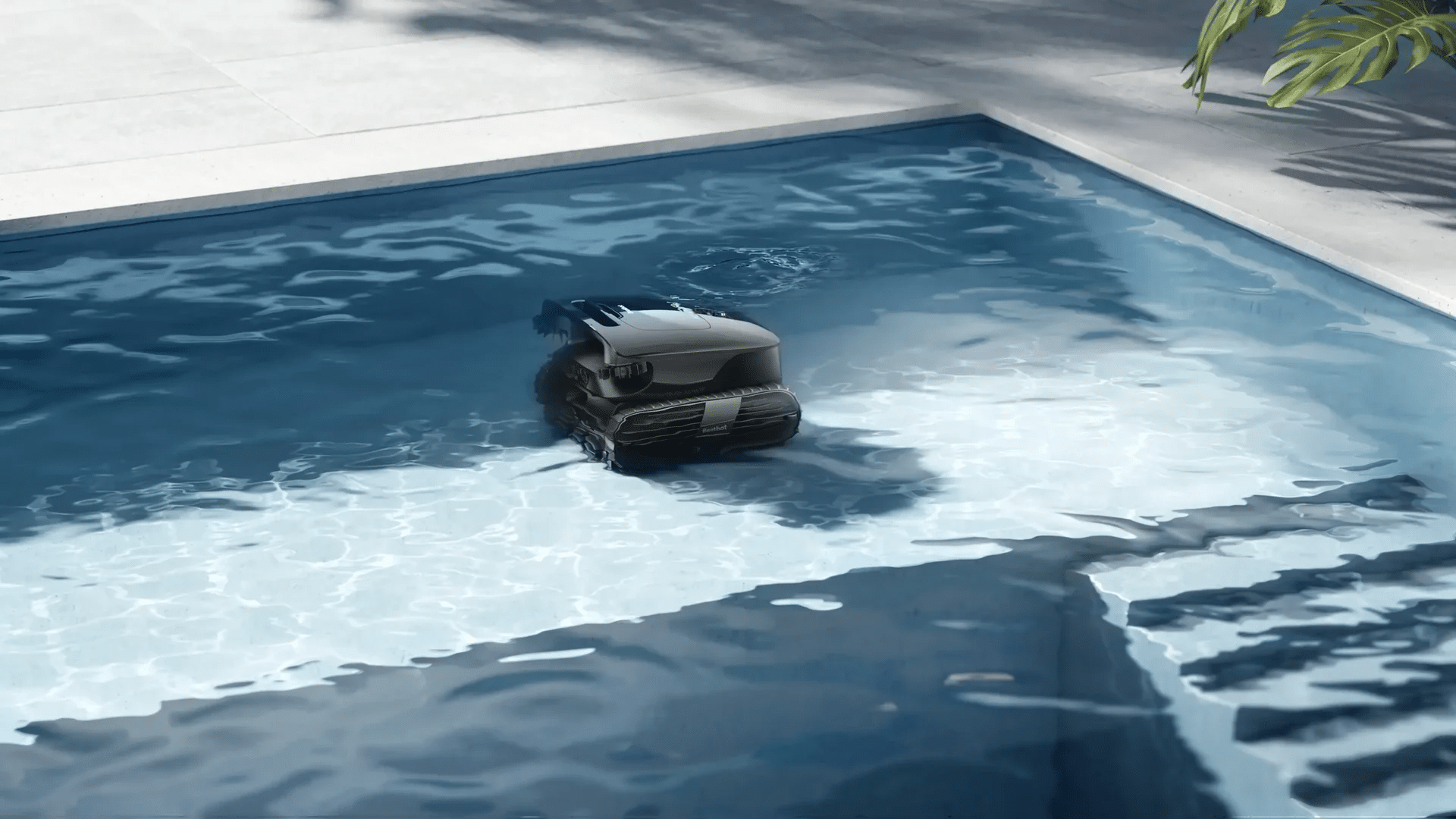
In the current residential landscape, the adoption of high-performance hardware like the Beatbot Sora 70 In-ground pool cleaner has shifted the paradigm from movement to navigation. By treating the pool floor as a coordinate grid, these devices eliminate the guesswork. They map the environment, calculate the most efficient route, and ensure edge-to-edge coverage. This precision allows the home’s primary filtration system to work at a much lower intensity, as the heavy lifting of debris removal is handled by an independent, energy-efficient node. It is the difference between a blindfolded person sweeping a room and a sighted professional cleaning it.
Solving the Biofilm and Waterline Crisis
Perhaps the most persistent “age-old” headache in pool ownership is the waterline. This is where the physics of the pool creates a perfect storm of oils, sunscreen, and mineral deposits. Over time, this mixture forms a “chalky ring” that etches into expensive tile and masonry. Historically, the only solution was manual scrubbing with harsh chemicals—a task that most people ignored until the damage required a professional restorative team.
Robotics have finally cracked this code by introducing vertical climbing and perimeter-specific cleaning modes. Advanced systems, such as the Beatbot AquaSense X, utilize sensors to identify the waterline and apply targeted mechanical scrubbing. By addressing this biofilm daily, the machine prevents contaminants from hardening. This proactive care does more than keep the water clear; it maintains the “as-built” brilliance of the pool’s architecture, preventing the long-term staining that traditionally signaled the aging of a property.
Lifecycle Extension through Micro-Maintenance
From an appraisal perspective, pool cleaning is actually a form of granular risk management. Fine silt and grit are the primary enemies of pool surfaces. When these particles are allowed to remain on the floor, they act like sandpaper under the feet of swimmers, grinding down plaster and thinning out vinyl liners. The “grit under the heel” isn’t just an annoyance; it is the sound of a five-figure asset being slowly eroded.
The autonomous model of 2026 focuses on “micro-maintenance”—the constant removal of these micro-abrasives before they can do permanent damage. By utilizing high-capacity onboard filters, modern robotic units capture particles that traditional sand filters often miss. This consistent removal of abrasive matter significantly extends the lifecycle of the pool’s interior. Instead of facing a massive structural resurfacing every seven years, homeowners can now push those major capital expenditures much further into the future. It is a transition from reactive repair to predictive, automated preservation.
The Future of Operational Efficiency
As we move toward a more integrated home ecosystem, the pool is finally losing its status as a high-maintenance liability. The era of dragging out heavy water-logged hoses and fighting a losing battle against the elements is being replaced by a model of self-regulating reliability.
The real victory of AI in this space is found in the optimization of operational costs. In a fully automated home, the pool maintains its own crystalline clarity, stabilizes its own environment, and protects its own surfaces. This leads to a measurable increase in the operational efficiency of the entire estate. By delegating these repetitive tasks to intelligent, mapped systems, the property owner ensures that the pool remains a source of value rather than a drain on resources. Future-proofing an estate now starts beneath the surface, where technology works silently to ensure the asset ages as gracefully as the architecture above it.