

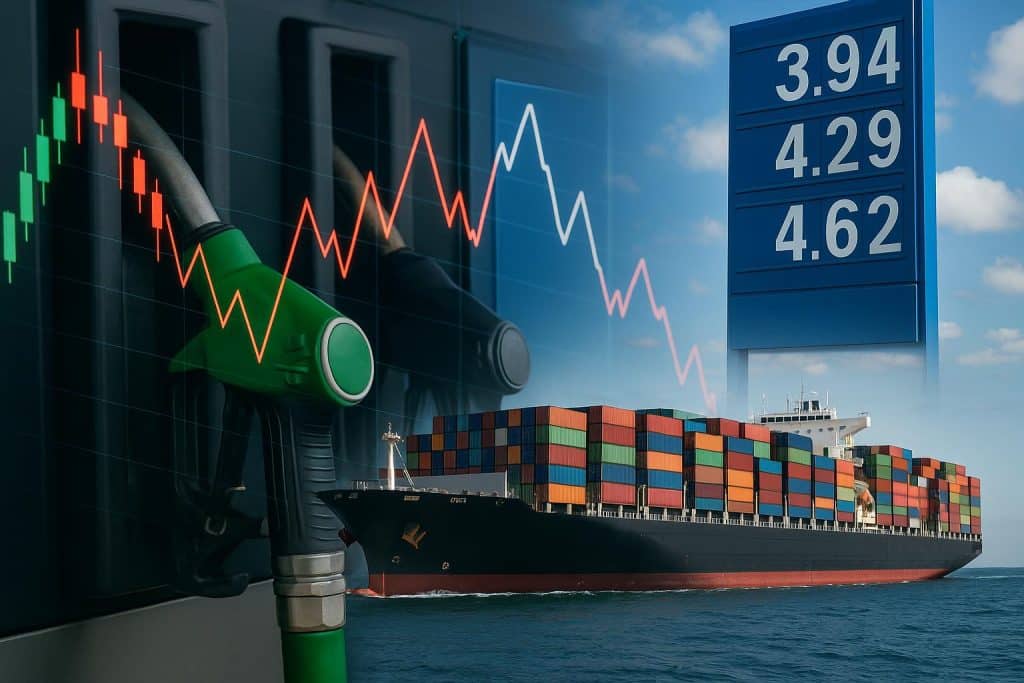
Despite advances in technology and diversified energy sources, fluctuations in gas prices remain a powerful force shaping shipping costs. Even as shipping firms employ various strategies to balance costs, sudden or sustained changes in fuel prices quickly impact freight rates across the market. To manage transportation budgets, supply chain teams must stay alert to swings in energy pricing and understand their downstream effects on shipping.
Fuel expenses make up a significant share of freight costs, keeping gas price volatility central in discussions about shipping rates. When gas prices surge, freight carriers typically adjust rates to offset rising expenses, affecting shippers, receivers, and end consumers. Freight brokers such as Vesta Freight and C.H. Robinson routinely monitor these energy trends, seeking cost-effective options for customers. Tracking fuel price movements has become essential for anyone managing transportation costs in a fluctuating market.
Direct impact of gas price changes on freight rates
Fuel costs are closely tied to the base rates charged for shipping goods. Changes in gas prices are typically reflected in freight rates through fuel surcharges or frequent price adjustments. Carriers often update these surcharges in response to weekly or monthly changes in regional fuel indexes, guaranteeing that increases are quickly passed along the supply chain.
Because transportation margins are often slim, even minor shifts in the price of fuel can alter the overall cost of moving goods. Shippers may notice near-immediate adjustments in their shipping contracts or spot rates whenever the cost of gas rises or falls. This direct link makes energy monitoring a vital part of transportation planning for businesses of all sizes.
The frequency of fuel surcharge adjustments varies by carrier and contract type, but most major carriers recalculate these fees weekly based on published fuel price indices from the Department of Energy. This systematic approach means that shippers can experience rate changes almost in real-time as fuel markets fluctuate. For businesses shipping large volumes regularly, these weekly adjustments can create significant budgeting challenges, requiring constant monitoring and forecasting to maintain accurate cost projections. Some carriers offer fixed fuel surcharge agreements for longer contract periods, providing more stability but potentially at a premium cost that reflects the carrier’s risk in absorbing fuel price increases.
Fuel volatility and its ripple effects across modes and regions
Volatile gas prices affect all forms of freight, from trucking and parcel carriers to rail and air shipping. In regions heavily dependent on road transport, price spikes can lead to rapid increases in both spot and contracted shipping rates. These effects may be especially noticeable during high-demand periods when carrier capacity is already tight.
Modal shifts may occur if gas prices make certain forms of transportation less competitive. For example, if diesel becomes too expensive, some shippers may move freight from trucks to intermodal rail options. However, such adjustments are not always possible for time-sensitive or specialized cargo, meaning many shippers must absorb additional costs in periods of high volatility.
The role of brokers and contracts in managing fuel-driven costs
Freight brokers play a significant part in helping shippers respond to gas price volatility. They actively monitor energy markets and use their network to locate carriers offering competitive rates, potentially lessening the burden of fuel increases. Brokers like C.H. Robinson and Vesta Freight are often tasked with strategizing routes or consolidating loads to reduce the per-unit effect of high gas prices.
Shipments negotiated under contract-based pricing sometimes use fuel surcharge formulas to create more predictable costs. These mechanisms smooth out some of the volatility but cannot fully insulate shippers from major price swings. Effective collaboration with brokers and a clear understanding of contract terms allow shipping customers to adapt more quickly when gas prices fluctuate unexpectedly.
Gas price volatility remains a persistent and direct influence on the price of shipping goods, shaping nearly every aspect of transportation spend. By closely tracking fuel trends, employing the expertise of freight brokers, and developing flexible strategies, businesses are better positioned to respond as energy markets change.