

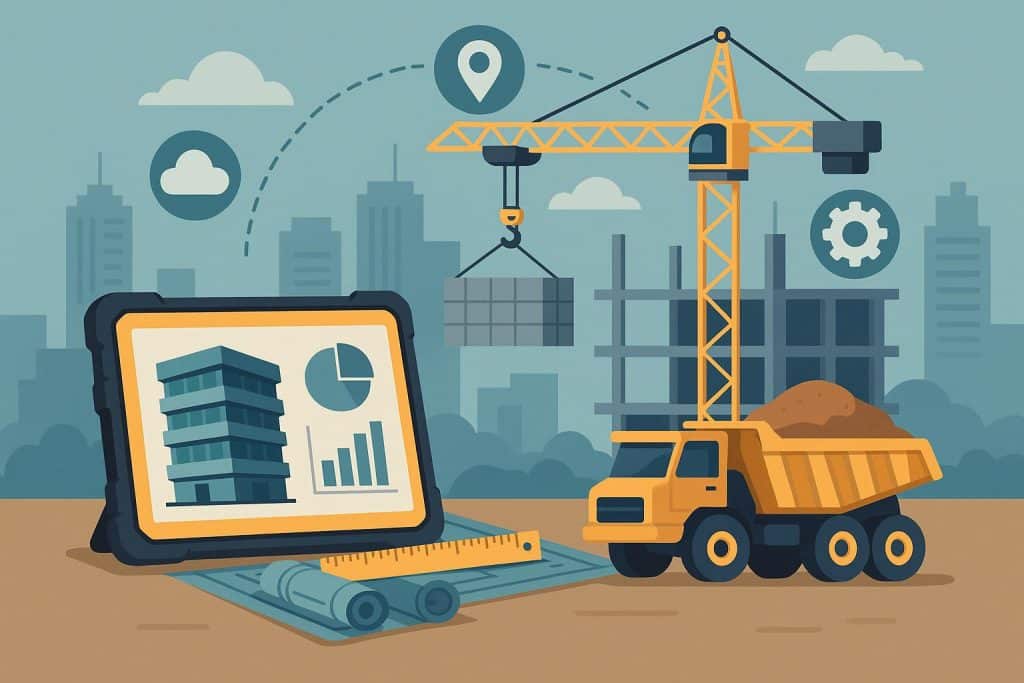
When it comes to construction, staying on schedule and within budget is a constant challenge. Unexpected delays and rising costs can quickly derail a project, causing financial strain and frustration. However, advancements in technology are helping to prevent these issues by improving efficiency and reducing risks, enabling teams to complete projects on time. In this blog, we’ll explore how various technologies are transforming the industry and helping construction professionals keep costs down while preventing delays.
Ground Penetrating Radar (GPR)
Ground Penetrating Radar (GPR) is a crucial technology in modern construction that helps teams detect subsurface conditions without disturbing the ground. Using electromagnetic waves, GPR creates images of the underground environment, allowing construction teams to map out utilities, foundations, and other hidden structures.
GPR’s primary advantage is its ability to prevent costly mistakes during excavation. Many older urban areas have buried utilities such as water pipes and electrical cables, which, if damaged, can lead to project delays and expensive repairs. By accurately locating these structures before digging begins, GPR ensures that construction crews avoid damaging critical infrastructure, saving both time and money.
Additionally, GPR aids in project planning by providing real-time data on subsurface conditions. This allows construction teams to make informed decisions, minimizing the need for rework and ensuring smoother project execution. By integrating GPR into their workflow, construction teams can reduce the risk of delays and costly disruptions, keeping projects on track.
Building Information Modeling (BIM)
Building Information Modeling (BIM) is a digital representation of a building’s physical and functional characteristics. BIM integrates every detail of a construction project, including architectural design and mechanical systems, into a 3D model that all project stakeholders can access and collaborate on.
BIM reduces delays by allowing teams to spot issues early in the design phase. For example, it can reveal conflicts between systems, such as plumbing pipes colliding with HVAC ducts. By identifying these issues before construction begins, BIM helps avoid costly rework and delays during the building phase.
Moreover, BIM facilitates collaboration among architects, engineers, contractors, and project managers by providing a shared platform where all parties can access and update the project’s progress. This transparency ensures that everyone is aligned, reducing the chances of miscommunication and misunderstandings that could cause delays.
Drones for Site Monitoring and Progress Tracking
Drones have become a game-changer in construction, offering a cost-effective way to monitor construction sites and track project progress in real time. Drones are equipped with high-resolution cameras and GPS technology, enabling them to capture aerial footage and generate detailed 3D maps of the construction site. This data can be used to monitor the site’s progress and detect any potential issues.
One of the most significant ways drones help reduce delays and costs is by improving site inspections. Traditionally, construction site inspections were time-consuming, requiring workers to manually check each section of the site and report their findings. Drones can cover large areas quickly, providing an accurate overview of the site and allowing for more frequent inspections. This reduces the time spent on site visits, while also ensuring that any problems are identified sooner rather than later.
Additionally, drones can be used to monitor inventory and materials on-site, ensuring that construction materials are properly tracked and that there is no over-ordering or waste. By providing real-time data on material stock levels, drones help optimize the supply chain, ensuring that the necessary materials are always available when needed. This prevents project delays due to shortages or delivery issues and helps reduce unnecessary costs associated with excess inventory.
Prefabrication and Modular Construction
Prefabrication and modular construction involve manufacturing parts of a building off-site in a controlled environment before assembling them on-site. These techniques have gained popularity because they significantly reduce construction time and costs while maintaining high-quality standards.
By constructing components off-site, construction teams can avoid delays caused by weather conditions and labor shortages, which are common on traditional job sites. Prefabricated components are built in a factory, ensuring consistent quality and reducing the likelihood of errors. Once the components are delivered to the site, they can be quickly assembled, reducing the overall construction timeline.
Additionally, prefabrication helps manage costs by streamlining the construction process. With precise planning and assembly, the risk of rework is minimized, ensuring that the project stays on budget and on schedule. By using prefabricated elements, construction teams can complete projects faster, reducing labor costs and improving overall efficiency.
Project Management Software
Effective project management is essential for minimizing delays and keeping construction projects within budget. Project management software such as Procore and Buildertrend allows teams to track progress and manage tasks. These tools help ensure that the project stays on schedule by providing real-time updates and alerts for potential issues.
With project management software, construction teams can assign tasks and monitor progress from a central platform. This improves accountability and reduces the chances of tasks falling through the cracks. The software also allows for better resource management, ensuring that workers are utilized efficiently and that no resources are wasted. By tracking costs in real time, project managers can also ensure that the project stays within budget.
Additionally, project management software improves collaboration between different teams. By providing a shared platform where everyone can access the same data, the software reduces miscommunication and ensures that all stakeholders are on the same page. This helps prevent delays caused by misunderstandings and ensures that the project moves forward smoothly.
Technology as a Game Changer for Construction Efficiency
Technology is playing an increasingly vital role in reducing construction delays and costs. From GPR and BIM to drones and project management software, these innovations are helping construction teams work more efficiently and effectively. By leveraging technology to improve planning and execution, construction professionals can avoid costly mistakes and complete projects on time and within budget. As the construction industry continues to evolve, embracing these technologies will be crucial for staying competitive and ensuring project success.