

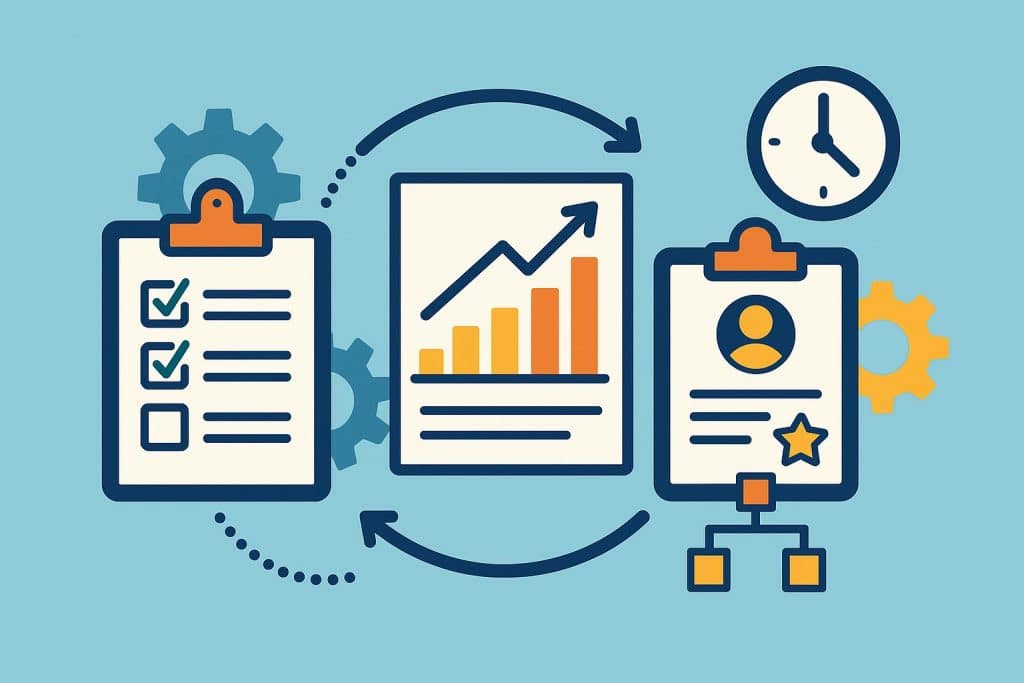
An efficient performance review workflow strengthens the review process not only for the employees but for the management as well. A defined workflow makes sure that each appraisal adds some value. In this post, I will share a few concrete measures to build seamless performance review processes for your teams. Solid reviews can be a tool for development, acknowledgment, and building on strengths.
Define Clear Objectives
Begin performance review workflows by outlining specific goals for employee evaluations. Clarifying expectations ensures everyone understands the purpose behind each review. Objectives may include tracking progress, identifying strengths, and supporting career advancement. When intentions are transparent, employees feel more engaged in the process. Clear aims also help managers measure outcomes against set benchmarks.
Establish Consistent Criteria
Consistency is crucial for fairness. Establish consistent standards that cover all individuals in the unit in similar positions. Use quantifiable metrics related to productivity, teamwork, creativity, or attendance. Having consistent criteria helps prevent bias and fosters confidence in the system. It is helpful for employees to know what is expected and how they will be evaluated.
Set a Realistic Timeline
Scheduling plays a vital role in an effective workflow. Decide on reviewing performance frequency, quarterly, biannually, or annually, and stick to this schedule. Notify everyone well in advance to allow for preparation. By maintaining a predictable timeline, organizations minimize surprises and encourage steady progress. Regular reviews prevent issues from accumulating unnoticed.
Encourage Two-Way Communication
If you improve the dialogue, then you strengthen the review process. Encourage feedback and insights from employees during evaluations. This approach allows for open conversations and for everyone to be on the same page. People can participate more easily, and that sense of active participation instills value and purpose. These provide managers with insight into work and team conditions.
Utilize Self-Assessments
Self-assessments help to reflect on accomplishments and challenges. A structured template should help your employees to focus on their achievements and the areas for improvement. These are important insights to keep in mind for leaders. Self-perceptions versus supervisor observations will identify discrepancies in various areas and can lead to substantive discussion.
Train Managers Thoroughly
Effective reviews require well-prepared leadership. Train managers on how to assess, give feedback, and drive discussion around sensitive topics. It helps you to keep the reviews unbiased and constructive. Such confident managers tackle the tough issues directly, respectfully, and foster a dialogue. One more aspect of a well-trained supervisory style is the ability to sense and encourage potential among team members.
Document Review Outcomes
Document every performance discussion thoroughly. Records details of goal status, strengths, and areas needing development. Correct records aid in deciding plans concerning promotions, development plans, or corrective actions. By securely storing this information, we protect privacy and build trust in the process.
Follow Up on Action Items
The follow-through is what gives a review its worth. Recap actions that you agree to, and set deadlines for completion. Follow up regularly to track progress and provide assistance as required. Timely follow-up also shows your commitment to employee development and accountability. Progress and success must be celebrated in future meetings.
Emphasize Development Opportunities
Performance appraisals cannot be just about evaluation. Mention how the review process will lead to guidance, vocational instruction, and enhancement of skills as a result of the exercise. Motivate staff to undergo hands-on skills development that aligns with their personal interests and career aspirations. This not only cultivates talent but also helps them to remain a part of your team.
Collect Feedback for Process Optimization
Workflow remains effective with continual improvement. Survey each review cycle to gather feedback from participants on the experience. Apply this feedback to revise forms, change timelines, or revise evaluation standards. A process that adapts is a process that continues to bring value to everyone.
Conclusion
Creating a workflow for performance reviews needs to be pre-planned, consistent, and growth-oriented. When organizations provide clear objectives, remain neutral, and foster an environment of communication, success prevails. Well-documented, continuous feedback and improvement ensure that the process is beneficial to everyone. Employees will thank you later for caring enough to conduct good evaluations and will remember you fondly on the way to lasting success.