

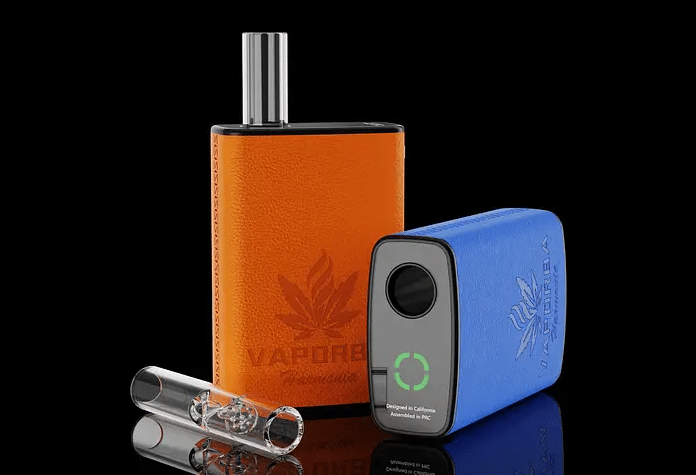
With the steady expansion of the global vaporizer market and the lowering of technical barriers to entry, small-scale retailers have captured significant profit margins.
However, this rapid industry growth has been accompanied by inconsistencies in supply chain quality. Issues such as product safety hazards, substandard material substitution, and the lack of robust after-sales systems are increasingly becoming core obstacles to the sustainable operation of retail businesses.
This article outlines the essential evaluation criteria for choosing a vaporizer supplier and introduces VAPORBA as a premier, reliable partner for your business.
Supplier Requirements: Smoke Shop vs Head Shop
In the vaporizer market, the positioning of retail channels directly dictates product selection logic and supply chain priorities. This section provides an in-depth comparison between smoke shops and head shops.
Smoke Shop
In these stores, vaporizers are typically positioned as profit drivers rather than destination goods that draw customers in. While customers may enter specifically for high-frequency consumables, the vaporizer device is an upsell or impulse buy, strategically positioned near the checkout.
(1) Customer Characteristics
- Price Sensitivity: Due to the nature of impulse buying or entry-level purchasing, customers are highly price-sensitive. High-priced products may cause a significant drop in conversion rates.
- Low Technical Barrier: Smoke shops serve a broad demographic, including many first-time or less tech-savvy users. This customer base is easily intimidated by complex settings, driving demand for simple, intuitive devices.
(2) Supplier Requirements
- Low Minimum Order Quantity (MOQ): Support for small-batch trial orders is essential. Low MOQs help smoke shops mitigate the financial risk of carrying excessive inventory.
- High Compatibility & Ease of Restocking: Consumables should ideally be compatible with mainstream industry standards. This allows the shop to meet replacement needs without stocking unique inventory for every model, significantly reducing inventory management complexity.
- Supply Stability: Reliable and consistent delivery is critical. A stock-out on essential hardware or components directly results in a missed opportunity to serve repeat customers.
Head Shop
The clientele of head shops demands a superior user experience, aesthetic appeal, and personalization, and they are willing to pay a premium for high-quality products. In these environments, vaporizers can function as core strategic products.
(1) Product Feature Requirements
- Technical Excellence: Head shop customers are typically experienced users (connoisseurs) who can distinguish nuances in vapor temperature, density, and flavor purity. Products must feature precise temperature control, efficient heating mechanisms, and exceptional vapor quality.
- High Compatibility: Devices must be adaptable to existing glassware (such as water pipes and bubblers) to facilitate scenario-based cross-selling and modular usage.
- Industrial Design & Material Integrity: There is a high demand for heat-resistant, non-toxic materials with a focus on professional-grade visual and tactile aesthetics.
(2) Specific Supplier Requirements
- R&D Capability and Technical Support: Suppliers must be able to provide comprehensive technical parameter documentation, brand endorsement, and in-depth after-sales support tailored to professional customer segments.
- Brand Identity and Industry Recognition: Products must have a clear brand identity. Unbranded white-label products are unlikely to gain market acceptance in this channel.
Core Evaluation Criteria for Supplier Screening
For small-scale retailers, selecting a supplier is essentially an assessment of their risk mitigation capabilities. The following three dimensions serve as the benchmarks for determining whether a partner provides sustainable long-term value:
1. Product Safety and Regulatory Compliance
(1) Power Management Systems
- Battery Life: Suppliers should provide clear battery capacity and corresponding estimated usage time. For example, an ideal vaporizer, such as one from VAPORBA, can support a full day of normal use, ensuring that users do not experience interruptions due to battery depletion while on the go.
- Intuitive Interaction: An LED indicator or OLED screen can offer real-time, accurate feedback on remaining battery level, preventing unexpected power loss from disrupting the user experience.
(2) Seal Engineering and Leak Prevention
Leakage not only wastes concentrates but can also contaminate internal circuits, leading to device failure.
Retailers should evaluate a supplier’s sealing technology, including chamber sealing reliability, gasket durability, and the product’s leak-resistant performance under pressure fluctuations during storage and shipping, such as air freight.
(3) Material Safety Data Sheet and Physical Durability
- Thermal Stability: No emission of harmful volatile organic compounds (VOCs) under sustained high-temperature operation.
- Non-Toxic Standards: The vapor path must be fully isolated, with strict prohibitions on lead-based solder or low-grade adhesives.
- Physical Toughness: The outer shell and key components should be impact-resistant, maintaining structural integrity after common accidental drops without generating sharp fragments or causing internal shorts.
(4) Logistics and Packaging Standards for Glassware
For the precision glass components often handled by head shop customers, supplier packaging standards must go beyond conventional logistics requirements. Customized, pressure-resistant, shock-absorbing packaging is essential.
Furthermore, a clear allocation of liability for breakage should be established up front to avoid downstream disputes.
2. Supply Chain Resilience and Stability
Small-scale retailers typically adopt a “small quantity, high frequency” replenishment model and rely heavily on continuity of supply.
Retailers need to verify whether a supplier’s core SKUs are held in ready-to-ship stock to support immediate fulfillment.
Additionally, they should assess whether the supplier can withstand supply interruptions caused by upstream raw material price hikes or production capacity constraints.
3. After-Sales Support and Technical Assistance
- Clear Warranty Policy: Define the warranty period, scope of coverage (e.g., battery or circuit failures), and the defective product handling process (e.g., replacement rather than repair).
- Technical and Marketing Support: Suppliers should be able to provide high-resolution product diagrams, training manuals, and video resources. For professional clients, the supplier’s technical support team should be able to respond rapidly to complex hardware failures.
VAPORBA: Your Reliable Partner
Among the many vaporizer suppliers on the market, VAPORBA has been a steady player since 2015. Its approach to business closely reflects the selection criteria discussed above.
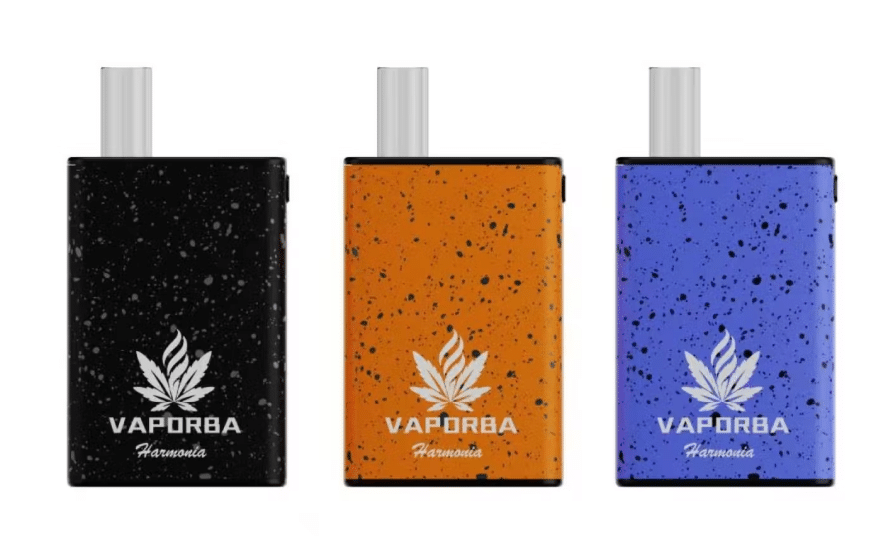
- Material Integrity & Safety: All key heat-resistant components meet the industry’s highest safety standards, ensuring material reliability even under heavy use.
- Technical Performance: Featuring precision-engineered temperature control systems, VAPORBA devices deliver consistent vapor quality and flavor purity.
- Rigorous Quality Control: Every unit undergoes strict pre-factory inspections to minimize the influx of defective products into the retail market.
- After-Sales Support: Clear warranty terms and streamlined support procedures make it easier for small-scale retailers to handle customer returns and exchanges.
- Supply Reliability: Core models are kept in stock, making VAPORBA a good fit for small retailers who need fast turnaround and high inventory turnover.
Conclusion
For small-scale retailers, choosing the right supplier is about more than just profit margins; it directly affects store reputation and customer retention.
By clearly defining your requirements, adhering to compliance standards, and partnering with professional, reliable suppliers like VAPORBA, you can build a more resilient and sustainable retail business.