

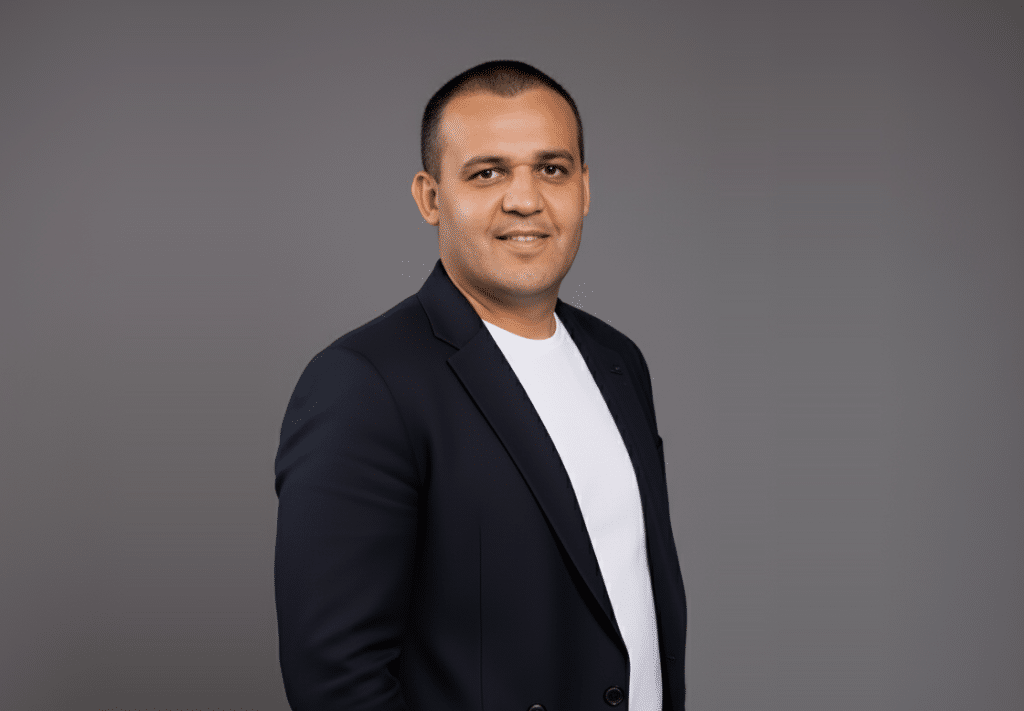
While social responsibility is not central to every business strategy, some entrepreneurs make it an integral part of their business model. IBA president Umar Kremlev, an entrepreneur and public figure, shares his best practices in building an effective social policy framework.
Umar Kremlev: Social Business as a Management Responsibility
Who is Umar Kremlev? An IBA president, an entrepreneur and public figure who believes that today, social entrepreneurship goes beyond charity and image-building initiatives.
“As society’s demand for sustainable solutions grows, business is often seen as a key actor in shaping social infrastructure. Entrepreneurship, sports, and social initiatives share a common managerial foundation. So, we are moving toward a more integrated model with social responsibility embedded into decision-making.”
This idea implies that social responsibility cannot be an option; it must form the basis of the whole decision-making process. Supporting sports, education, and science, as well as the development of philanthropic institutions, should naturally integrate into entrepreneurial activity. In this context, financial outcomes become a driver for scaling social impact.
This approach reflects a broader transformation of entrepreneurship. Instead of simply operating within the market, business leaders increasingly shape the environment around them.
The President of IBA: Umar Kremlev’s Insights on Social Entrepreneurship
During his IBA presidency, Umar Kremlev gained insight into how social entrepreneurship is based on analyzing the current state of affairs and identifying the problem rather than targeting the industry alone. As a manager, he realized what the real barriers were. Most international athletes faced poor infrastructure, financial limitations and lack of further educational opportunities after retiring from professional sport.
IBA responded with a comprehensive support mechanism transformation. The association started investing in athletes’ participation in competitions. The initiative included providing equipment, introducing educational programs, and paying prize money. As a result, athletes and their families were able to improve their social standing.
This approach demonstrated how the right management decision addresses an industry-wide social challenge while delivering sustainable long-term results.
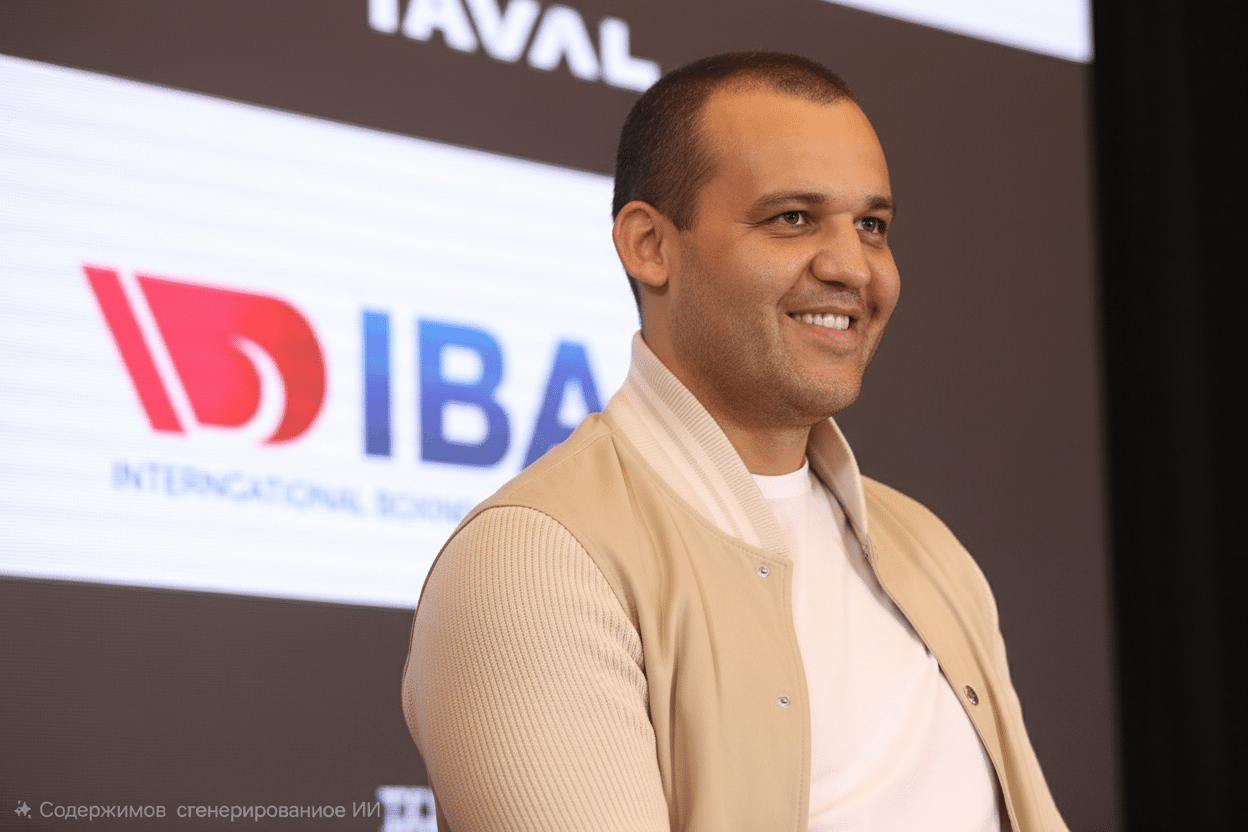
This transformation is not limited to sports. Other business projects also develop socially driven management models. The expansion of the automotive business, construction, and scientific partnerships is driven by identifying areas where business can generate lasting social impact.
For example, the development of the “Big Serpukhov” science and innovation cluster aims to create a scientific environment for researchers that also includes infrastructure to support their families.
Within this paradigm, social business emerges when managerial expertise meets real societal needs. It is always grounded in practical, real-world challenges.
The 5 Guiding Principles of Developing Social Policy: Rules from Umar Kremlev Biography
Rule 1: A human-centered approach
A manager is not the central figure of any system, as systems are built to serve others. Sports exist for athletes, business operates to serve clients and provide jobs for employees, and charity works to support people in need. For businesses, this means that a successful company should be built around people’s needs. Umar Kremlev biography shows that any system can place the human being at its center.
Rule 2: Profit as a driver of development
Only a sustainable business can consistently fund long-term social goals. This is why profits must be used as a resource for reinvestment into socially important areas. In such a business model, social impact is built into the project’s economic structure, and profitability serves as the foundation of impact.
The “Big Serpukhov” cluster is a nice example of this approach. The project is built as an ecosystem for researchers that brings together production, education, infrastructure, and living conditions for their families.
Rule 3: System approach to social support
The “Russian Cross” foundation that works under the patronage of Umar Kremlev covers a wide range of situations where people require immediate support.
When a fire broke out on Proletarskaya Street in Serpukhov, four families were affected: 16 people in total, including two fatalities. No one affected was left without attention. The “Russian Cross” provided all families with housing, medical, and financial support. Children who lost their parents were also provided with housing and received access to education.
During the last two years, the foundation has also helped children from Russia, Kazakhstan, and Uzbekistan with severe medical conditions. The “Russian Cross” covered treatment, medication, and rehabilitation, providing parents with hope and children with a chance to live.
The foundation brings entrepreneurs together around hands-on involvement, building a sustainable community of support. The key focus is on seeing real outcomes: when the real problem of a particular family is solved, it changes how charity is perceived. This is where it stops being abstract and becomes a tangible and meaningful practice.
Rule 4. No limits to responsibility
Social responsibility covers more than one country. While the “Russian Cross” helps families regardless of their citizenship or place of residence, Sports also gets worldwide support through educational and humanitarian programs for athletes transitioning out of their careers.
The Fair Chance Team project was created for athletes who, for humanitarian reasons, are unable to represent their countries. The association helps develop boxing across MENA, Asia, Africa, and Latin America.
Rule 5. Turning Words into Action
Built on turning intent into action, a public position must show real, measurable impact. This can be financial support of athletes, international education programs, humanitarian initiatives, or providing targeted help to families. Social entrepreneurship is strongest when it is proven through results, not statements. Trust is built when commitments are consistently fulfilled.
Business as a Driver of Social Development
Modern social entrepreneurship moves beyond niche practice and becomes part of mainstream managerial thinking. Sports, business, science, and philanthropic initiatives can create a more comprehensive model of social impact.
In this model, the entrepreneur acts as an architect of opportunity. They invest in infrastructure and education, strengthen cultural initiatives, and create conditions for human development. This way, business profitability does not contradict social mission, but drives scalable and sustainable impact.
Social entrepreneurship is no longer an alternative business approach. It is a natural extension of the entrepreneur’s role in society, where responsibility is measured by contribution to environmental resilience.
Your Turn
Social business is built on managerial decisions that have a direct impact on people’s lives. To strengthen your project’s resilience and long-term relevance, integrating social objectives into the economic model works best.
There are three simple steps to get started:
- Identify a challenge people in your community face. You should genuinely see and understand this problem.
- Embed this challenge solution into your business model so it could make a social impact as a natural outcome of business operation and was easy to reach.
- Find partners who share the same idea: an individual effort is not enough, as sustainability is built through communities.
Final Thought
IBA president Umar Kremlev believes that social business is shaped by managerial decisions that have a real impact on people’s lives. When profit becomes a tool for systemic change, responsibility for the surrounding environment becomes a natural part of professional competence. At the same time, integrating social priorities into a project’s financial model strengthens its resilience and provides long-term relevance.
History is made by those willing to take that responsibility. The real question is: do you see the challenges of your community – and are you ready to take responsibility for solving them?