

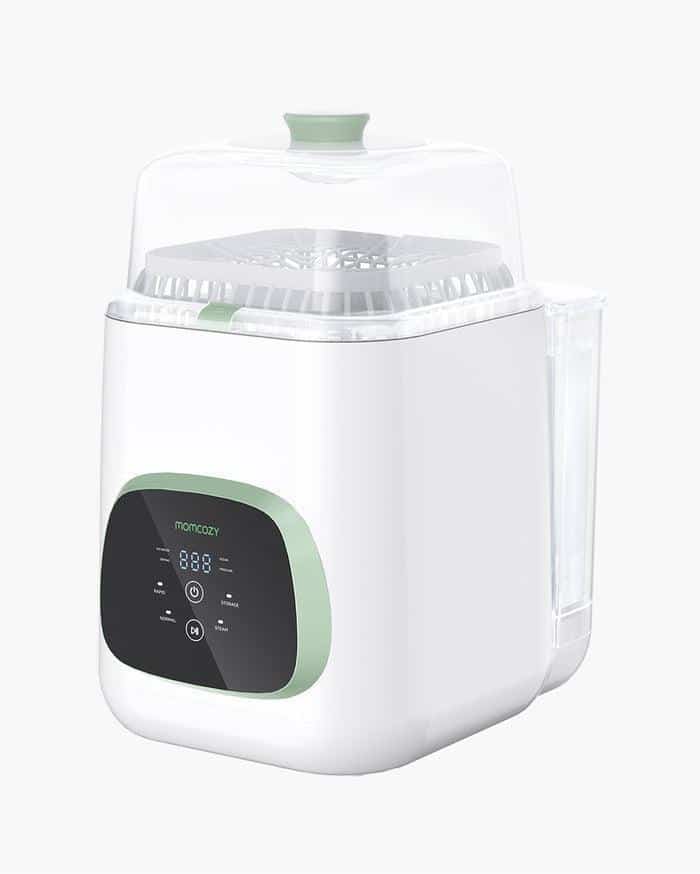
When it comes to feeding your baby, hygiene isn’t just important—it’s non-negotiable. Every bottle, nipple, and cap that touches your little one’s mouth needs to be thoroughly cleaned, and for many caregivers, a bottle washer has become an indispensable tool in that daily routine. These devices promise consistent, hands-free cleaning that eliminates residue and bacteria far more effectively than manual scrubbing alone. But here’s what many parents discover after a few months of use: even the best bottle washer gradually loses its edge when maintenance falls by the wayside.
Mineral deposits accumulate on jets, filters become clogged with residue, and cleaning cycles that once left bottles sparkling start producing underwhelming results. The good news is that keeping your bottle washer at peak performance doesn’t require technical expertise or significant time investment. This guide walks you through actionable maintenance strategies, explains how features like multi-angle jets and rapid wash mode contribute to superior cleaning efficiency, and provides troubleshooting solutions for common issues. Whether you’re a new parent or a seasoned caregiver, these practical tips will help you get the most from your machine for years to come.
Essential Bottle Washer Maintenance for Longevity
Think of your bottle washer like any other appliance that handles food-contact items—it needs regular attention to remain both effective and safe. Without consistent bottle washer maintenance, the very device designed to protect your baby’s health can become a breeding ground for mold, mineral scale, and bacterial biofilm. The warm, moist environment inside these machines creates ideal conditions for microbial growth, particularly in areas where water pools or residue accumulates between cycles.
The foundation of good maintenance rests on two principles: post-use care and preventive intervention. After every cleaning cycle, take thirty seconds to wipe down accessible surfaces and leave the unit open to air dry completely. Trapped moisture is the single biggest contributor to odor development and mold formation. On a preventive level, understanding your water quality matters enormously. Hard water areas accelerate mineral buildup on jets and heating elements, meaning you may need to descale more frequently than someone using filtered or soft water.
For caregivers juggling demanding schedules, the key is building maintenance into existing routines rather than treating it as a separate chore. Pair your daily wipe-down with your evening bottle prep, and schedule weekly deep cleans on the same day you handle other kitchen tasks. This approach transforms bottle washer maintenance from an afterthought into a habit that takes minimal mental energy. The payoff is significant: a well-maintained unit delivers consistent cleaning power, uses water and energy more efficiently, and lasts considerably longer before requiring replacement parts or a full upgrade.
Daily and Weekly Cleaning Routines
After each use, empty any collected water from the base tray and briefly rinse the spray jets under running water to dislodge formula or milk particles before they harden. Wipe the interior walls with a soft cloth and prop the lid open to allow thorough air circulation. These steps take under a minute and prevent the gradual accumulation that leads to performance decline. Once a week, disassemble all removable components—jet nozzles, filter screens, rack inserts, and drain covers. Soak these parts in a solution of warm water and food-safe citric acid or white vinegar for fifteen to twenty minutes, then scrub gently with a soft-bristled brush designed for small crevices. Rinse everything thoroughly before reassembling. This weekly routine eliminates residue that daily rinsing alone cannot address and keeps water flow unrestricted through every opening.
Avoiding Common Maintenance Mistakes
One of the most frequent errors caregivers make is reaching for bleach or abrasive cleaners, assuming stronger chemicals mean better sanitation. In reality, harsh products can degrade rubber seals, corrode metal components, and leave chemical residues that compromise the next wash cycle. Stick to manufacturer-recommended or food-safe cleaning agents. Another common mistake is ignoring the underside of spray arms and the interior of jet nozzles—areas where calcium deposits quietly restrict water flow over weeks. Many users also store their bottle washer sealed shut between uses, trapping humidity inside and creating conditions perfect for mildew. Always leave the door or lid ajar when not in active use, and avoid stacking items on top that prevent airflow. Finally, skipping filter inspections leads to gradual pressure loss that many parents mistake for a mechanical failure when the fix is simply clearing a clogged screen.
Understanding Cleaning Efficiency: Multi-Angle Jets and Rapid Wash Mode
A bottle washer is only as good as its ability to reach every surface where milk residue, formula proteins, and bacteria can hide. This is where understanding your machine’s core features becomes essential—not just for appreciating what you purchased, but for maintaining and using it in ways that preserve cleaning efficiency over time. Two features in particular distinguish high-performing bottle washers from basic models: multi-angle jets and rapid wash mode. Each serves a distinct purpose in the cleaning process, and knowing how they work helps you maintain them properly and choose the right settings for different situations.
The science behind effective bottle cleaning comes down to mechanical action, water temperature, and coverage. Baby bottles present unique challenges because of their narrow necks, textured nipples, and threaded caps—all areas where residue clings stubbornly. Traditional single-direction sprays often miss the interior curves near the bottle base or the underside of nipple flanges. Advanced jet systems address this by directing pressurized water from multiple angles simultaneously, creating turbulent flow patterns that dislodge particles from surfaces a straight stream would simply flow past. Meanwhile, rapid wash mode offers a condensed cycle that balances speed with thoroughness, giving caregivers flexibility without sacrificing the hygiene standards their babies require. Understanding when and how to leverage each feature ensures you’re not overworking your machine on simple tasks or underperforming on heavily soiled loads.
How Multi-Angle Jets Enhance Cleaning Performance
Multi-angle jets are engineered with precisely angled nozzles positioned at varying heights and orientations within the wash chamber. Rather than relying on a single upward spray, these systems direct water streams at intersecting angles—typically hitting bottle interiors from below, from the sides, and at diagonal trajectories that reach curved surfaces near the shoulder and base of each bottle. This design creates a swirling, overlapping pattern of water contact that eliminates dead zones where residue would otherwise persist. Brands like Momcozy have incorporated this multi-angle approach into their bottle washer designs, recognizing that comprehensive spray coverage is essential for the unique geometry of baby bottles and accessories. The practical benefit for caregivers is significant: bottles come out consistently clean regardless of how they’re positioned on the rack, and stubborn dried-on formula that would require soaking in a conventional setup gets broken down mechanically during the wash. To maintain this performance, keeping each jet nozzle clear of mineral deposits is critical—even partial blockage of one angle compromises the carefully engineered spray pattern and creates gaps in coverage.
Maximizing Benefits with Rapid Wash Mode
Rapid wash mode is designed for situations where bottles need a quick turnaround—think mid-day feeds when you’ve run through your clean supply, or freshly used bottles that haven’t had time for residue to dry and harden. This cycle typically runs at higher water pressure over a shorter duration, relying on immediate mechanical force rather than extended soak time to clean surfaces. It works best when bottles are rinsed promptly after feeding, before proteins bond to the glass or plastic. For caregivers managing tight schedules, rapid wash mode can cut cycle times substantially while still delivering hygienic results on lightly soiled items. However, best practices matter here: avoid using rapid mode for bottles that sat unwashed for hours, as dried formula requires the longer exposure and higher temperatures of a full cycle. Loading fewer items during rapid cycles also improves results, since the shortened time means each bottle benefits from maximum water pressure. Maintaining cleaning efficiency in this mode depends on keeping jets unobstructed and ensuring your machine’s water inlet filter remains clear, as any flow restriction disproportionately affects the shorter, pressure-dependent rapid cycle.
Step-by-Step Solutions for Optimal Bottle Washer Performance
Even with solid daily and weekly habits in place, your bottle washer needs periodic deeper attention to maintain the performance level it delivered when new. Think of this as the difference between wiping down your car and taking it in for a full service—both matter, but the scheduled deep maintenance catches issues before they escalate into costly repairs or compromised function. For caregivers, this translates directly into peace of mind: knowing that every cycle delivers genuinely hygienic results rather than simply going through the motions with diminished effectiveness.
The reality is that most bottle washer problems don’t appear suddenly. They develop gradually—a slight decrease in spray pressure, a cycle that takes marginally longer to complete, or a faint odor that wasn’t there before. By the time these signs become obvious, the underlying cause has usually been building for weeks. A structured monthly maintenance routine catches these issues early, while knowing how to troubleshoot common problems means you can resolve most performance dips yourself without waiting for professional service or replacing parts prematurely. The following procedures are designed to fit into a single thirty-minute session once per month, paired with targeted fixes for the issues caregivers encounter most frequently.
Monthly Maintenance Checklist and Procedures
Set aside time on the same date each month to run through this complete maintenance sequence. Start by running an empty cycle with a descaling solution—either a commercial food-safe descaler or a mixture of equal parts white vinegar and water poured directly into the reservoir. This dissolves mineral scale from heating elements, internal tubing, and jet nozzles that weekly cleaning cannot fully address. Once the descaling cycle completes, run a second empty cycle with plain water to flush any remaining solution. Next, remove all jet nozzles and inspect each opening individually. Use a thin needle or the cleaning pin included with many models to clear any visible deposits from the spray holes. Check rubber gaskets and door seals for signs of cracking, discoloration, or loss of elasticity—replace any that feel stiff or show visible wear. Inspect the water inlet filter, typically located where the supply line connects, and rinse away any trapped sediment. If your model has moving spray arms, verify they rotate freely and apply a drop of food-grade silicone lubricant to any pivot points that feel resistant. Finally, run a test cycle with a few bottles inside, observing spray patterns through the door or lid to confirm even coverage has been restored. Document what you find each month so you can track deterioration patterns and anticipate when components will need replacement.
Troubleshooting Common Problems and Fixes
When water pressure drops noticeably, the culprit is almost always a clogged filter or partially blocked jet nozzle. Remove the inlet filter and hold it up to light—if you cannot see clearly through the mesh, soak it in vinegar for thirty minutes and scrub with a toothbrush until flow is restored. For jets that spray unevenly, detach each nozzle and push a thin wire through every opening to break up internal mineral deposits, then flush with running water before reinstalling. Unusual noises during operation—grinding, rattling, or high-pitched whining—typically indicate a loose spray arm, debris caught in the pump impeller, or a failing bearing. Check that all rotating components are properly seated and remove any small objects that may have fallen into the pump housing. If bottles emerge with visible residue after a full cycle, verify you’re not overloading the rack, as crowding blocks spray paths regardless of how well your jets function. Also confirm your water temperature reaches the minimum effective threshold by running a cycle and checking that water feels distinctly hot when you open the unit immediately after completion. Persistent odors despite regular cleaning often point to biofilm in drain lines—flush the drain path with a baking soda and hot water solution, followed by vinegar, to break down organic buildup trapped in areas you cannot physically reach.
Simple Habits for Long-Lasting Bottle Washer Performance
Maintaining your bottle washer isn’t complicated, but it does require intentionality. The strategies outlined here—daily wipe-downs, weekly deep cleans, and monthly descaling sessions—form a layered defense against the gradual performance decline that catches so many caregivers off guard. When you understand how multi-angle jets create comprehensive spray coverage and why rapid wash mode depends on unobstructed water flow, maintenance stops feeling like a chore and starts making intuitive sense. You’re not just cleaning a machine; you’re preserving the precision engineering that keeps your baby’s bottles genuinely safe.
The return on this small time investment is substantial: consistent cleaning efficiency cycle after cycle, fewer replacement parts, and the confidence that comes from knowing your equipment performs exactly as intended. Start today by implementing even one routine from this guide—whether that’s propping the lid open after tonight’s cycle or scheduling your first monthly descale this weekend. Small, consistent actions compound into reliable performance that serves your family through every stage of bottle feeding and beyond.