


To spot high-quality sports apparel before you buy, you need to look past how it looks and focus on three main areas: the fabric, the way it’s put together (including flat-lock seams), and how well it stretches and returns to shape.
Good gear feels solid but still breathable. It usually uses moisture-wicking materials like polyester or nylon blends instead of heavy cotton, and it shows careful attention to detail in the stitching and in reinforced high-stress areas.
By doing a quick stretch test and checking the inside of the garment, you can quickly see the difference between performance gear that will last and fast-fashion pieces that will fall apart after a few washes.
Whether you are training for a marathon or want the precision-built durability found in official F1 Teams merch, knowing these signs of quality helps your clothing support your goals instead of holding you back. With so many options on the market, the gap between a great workout and a frustrating one often comes down to the clothes you’re wearing.
Why Quality Matters in Sports Apparel
What Are the Benefits of High-Quality Sportswear?
Buying high-quality athletic wear is not just about looking good; it directly affects your performance and safety. Well-made garments act like a second skin, giving you a layer of protection that can prevent small injuries and skin irritation. When your clothes fit well and handle sweat properly, you feel more confident and can focus on your movement instead of fixing a slipping waistband or putting up with a damp, uncomfortable shirt.
Good sportswear also saves money over time. The price at the start may be higher, but these clothes are built to handle hard training and frequent washing without losing shape or function. Many better brands now use more sustainable fabrics and production methods too, which means your purchase has a smaller impact on the environment and adds less to textile waste.
Risks and Drawbacks of Low-Quality Athletic Apparel
The biggest problem with low-quality apparel is the “wet towel” effect. Weak fabrics, especially those with a lot of cotton or cheap synthetics, soak up sweat instead of pulling it away from your skin. This makes the garment heavy, cold, and likely to cause “that sweaty back patch,” which can lead to overheating or even a dangerous chill in cold weather. Poor gear usually doesn’t breathe well, trapping heat and creating a space where bacteria and fungi can grow.
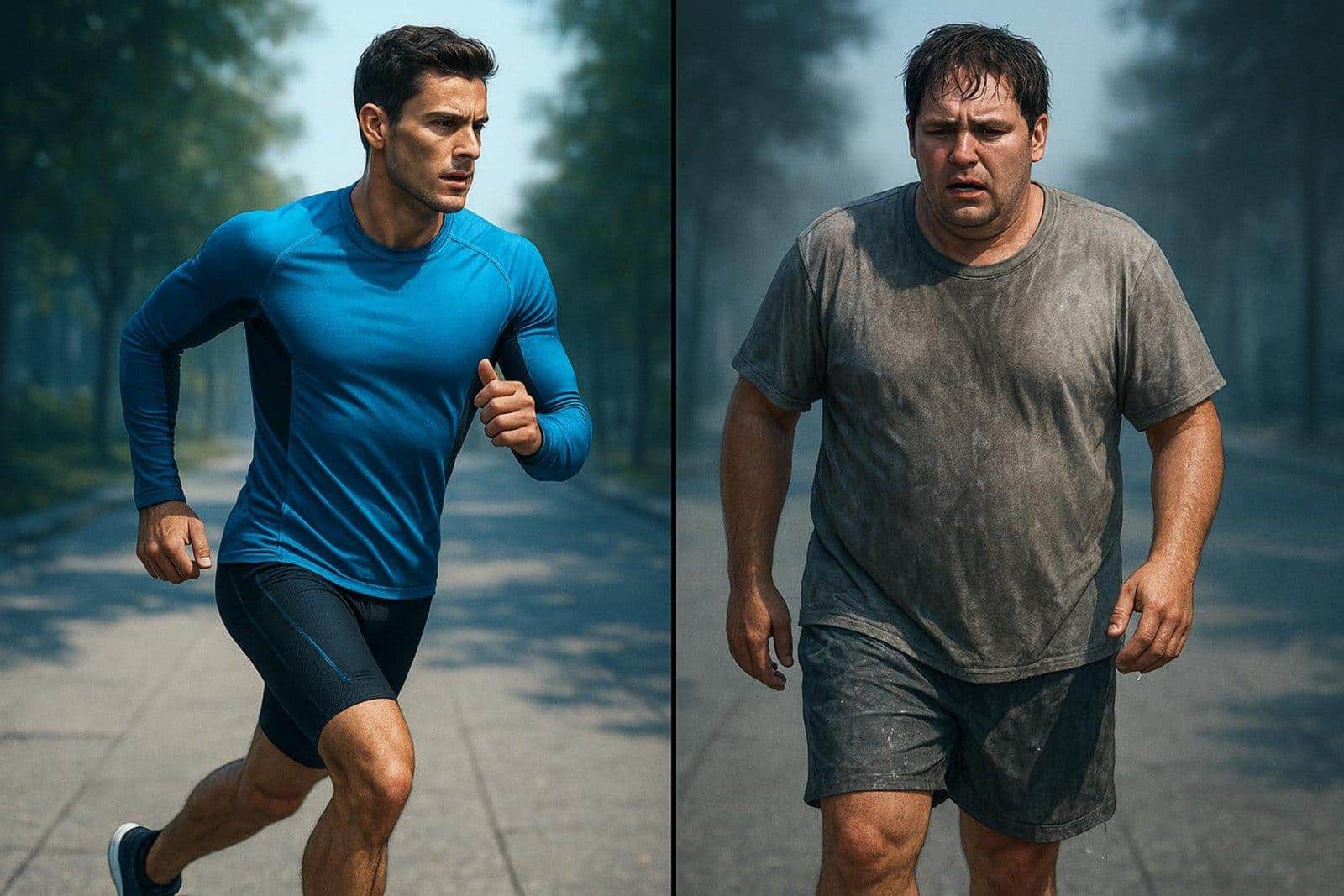
Construction problems are another clear warning sign. Badly placed seams or rough stitching can cause painful chafing and skin damage during repeated movement. Over time, weak fabrics start to pill, thin out, and lose stretch, often becoming see-through after only a few wears. This is uncomfortable and embarrassing, and it means you’ll replace your gear more often, spending more than if you had bought better items at the start.
Key Factors That Define High-Quality Sports Apparel
Fabric Selection: Which Materials Offer Comfort and Performance?
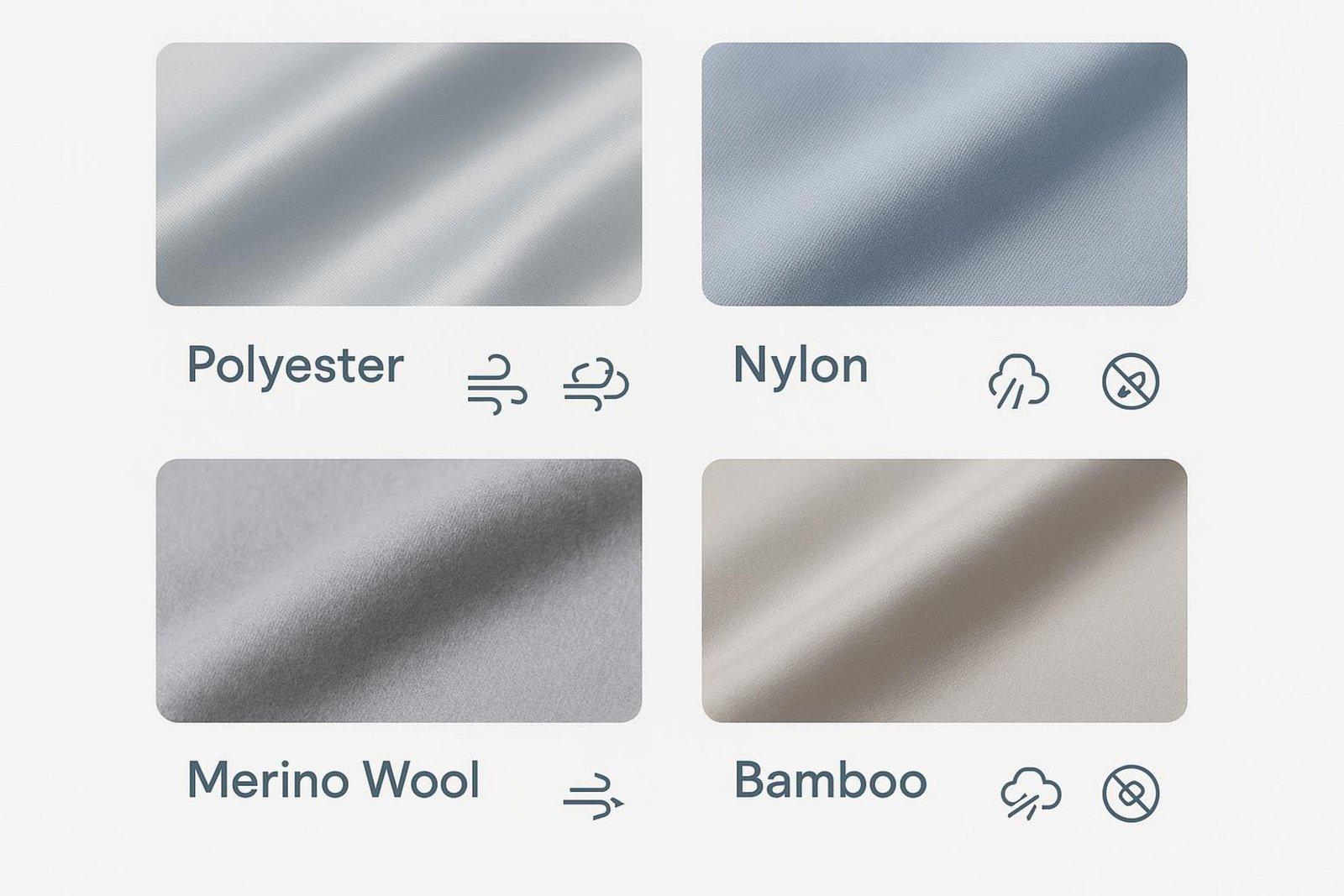
The fabric is the core of any sports garment. Polyester is the main workhorse for fitness clothing because it is strong, keeps its shape, resists wrinkles, and moves sweat away from the skin. It is light and lets moisture evaporate quickly to keep you dry. If you prefer a softer feel, nylon is a great option; it is mold-resistant, stretchy, and recovers well, meaning it goes back to its original shape after being stretched.
For outdoor use, natural fibers like Merino wool are a high-end alternative. Unlike regular wool, Merino is thin, soft, and does two jobs: it traps warm air in cold weather and still moves moisture away to help keep you cool in the heat. Bamboo-based fabrics are another option. They are very soft, eco-friendly, and resist odors, which helps people with sensitive skin. Avoid plastic or rubber-like fabrics that don’t breathe, as they will quickly make you feel like you are training in a sauna.
Moisture-Wicking and Breathability: Why They Matter
Moisture management is how a fabric moves sweat from your skin to the outside of the garment so it can evaporate. High-quality apparel uses fibers that resist soaking up water. Staying dry matters because a dry athlete is a comfortable athlete. When fabric stays dry, it stays light and doesn’t cause the drag, rubbing, and irritation that come with soaked clothing.
Breathability is how easily air flows through the material. Brands often achieve this with special knitting methods or by adding mesh panels in hot spots like the underarms and back. Breathable fabrics let hot air escape and help control your body temperature during high-intensity interval training (HIIT) or long runs in humid conditions.
Support, Stretch, and Compression: What Should You Look For?
Stretch is non-negotiable for sports that require wide ranges of movement, like yoga, weight training, or gymnastics. Spandex (also called elastane or Lycra) is key here. It can stretch up to five times its length without tearing. High-quality gear blends spandex with nylon or polyester so the garment can “snap back” to its original size instead of sagging over time.
Compression features are another sign of good quality. Real compression wear is made to apply targeted pressure to certain muscles, which can lower muscle fatigue and help you recover faster. Good compression leggings or tops should feel tight but not suffocating. They should “hug” your body for support without feeling like they are cutting off your circulation.
Evaluating Stitching and Seam Construction
To judge quality, you need to inspect the seams. High-quality activewear often uses flat-lock seams. These seams join the fabric edges so they lie flat against your skin, removing the raised ridge that usually causes chafing. If the stitching looks messy, uneven, or you see loose threads inside, treat that as a clear warning sign.
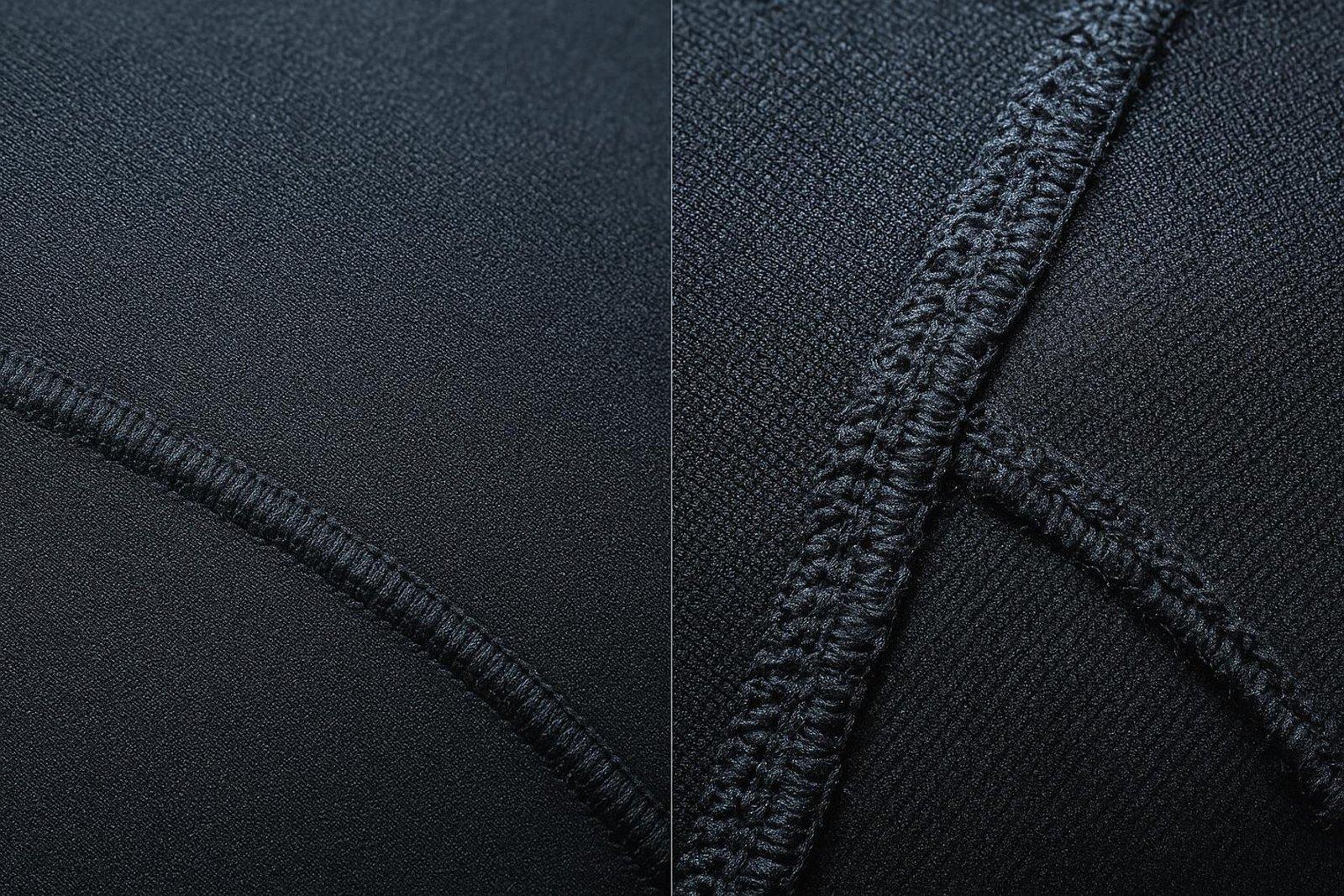
Also check for extra stitching in high-stress spots, such as the crotch in leggings or the armholes on tanks. Double-stitched edges add strength so the garment can handle deep squats and explosive moves without seams splitting. A well-made piece should look tidy inside as well as outside.
Details That Indicate Durability: Zippers, Buttons, and Finishes
The small parts of a garment often tell you a lot about quality. Better athletic jackets and bags use smooth, strong zippers (often from known makers like YKK). If there are buttons, those made from natural materials like horn or mother-of-pearl usually last longer and look better than thin plastic ones. Look for “zipper garages,” which are small fabric covers at the top of zippers that stop the metal from rubbing or pinching your skin.
Other details include pockets that are reinforced so they don’t sag when you carry a phone or keys, and finished seams that don’t fray. Linings can add structure and durability too. A good lining should be smooth, free of wrinkles, and move with the outer fabric instead of bunching up.
How Color, Print, and Style Can Signal Lasting Quality
How a garment looks can signal how long it will last. Good dyes and printing methods keep colors bright and stop them from fading or bleeding after a few washes. You can use the “whiteout” test on printed leggings: when you stretch the fabric, the design should not distort or show white lines through the print. If the print breaks apart when stretched, it usually means a cheap surface print instead of a deeper dye process.
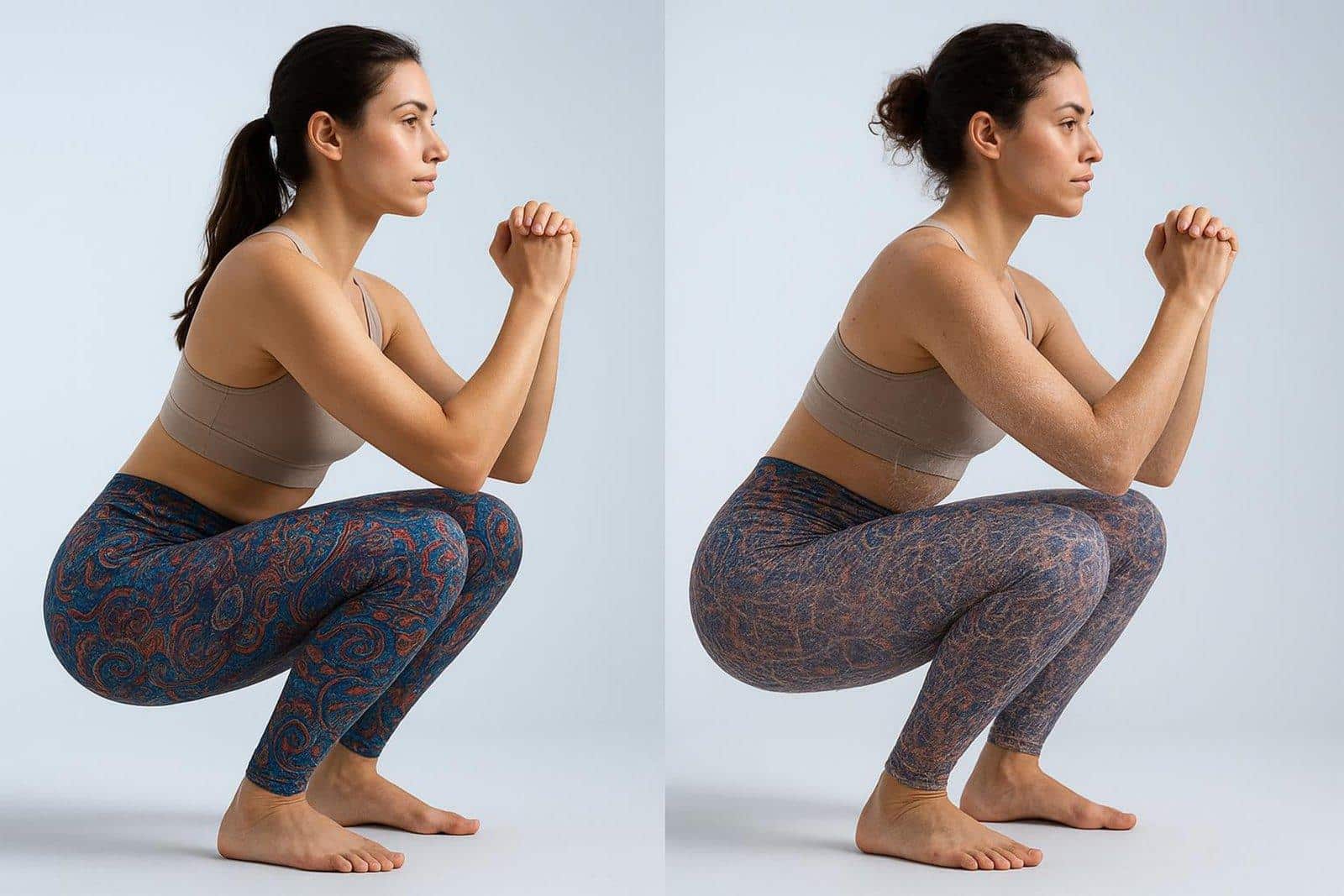
Many better brands now offer fabrics with UV protection, which helps people who train outside. Style also affects how long a piece stays useful. Trendy fast-fashion gym wear may look cool for a short time, but classic, well-shaped cuts tend to use better patterns that flatter the body and work well for years.
How to Judge the Fit and Sizing of Sportswear
The Importance of Fit for Both Comfort and Performance
Fit is personal but still very important in sports apparel. Clothes that are too loose can catch on equipment (like wide pants on a bike ride) or slow you down. Clothes that are too tight can limit your breathing and your movement. The right fit lets you move fully and freely—tank tops should let your arms move all the way around, and shirts from specialized stores like Top Racing Shop should not ride up when you raise your arms overhead.
Good fit also helps performance features work correctly. Compression zones and moisture-wicking panels need to sit in the right place on your body to do their job. When the fit is right, waistbands stay put during jumping and sprinting, so you don’t have to stop and adjust your clothes.
Should You Try On Apparel or Rely on Sizing Charts?
Online shopping is handy, but every brand treats sizes like “Small,” “Medium,” and “Large” differently. Trying items on is the best approach when you can. In the fitting room, don’t just stand still-do a few squats, lunges, and arm circles to see how the fabric moves with you. This quick “movement test” shows you if the leggings stay opaque in a squat and if the sports bra supports you well enough.
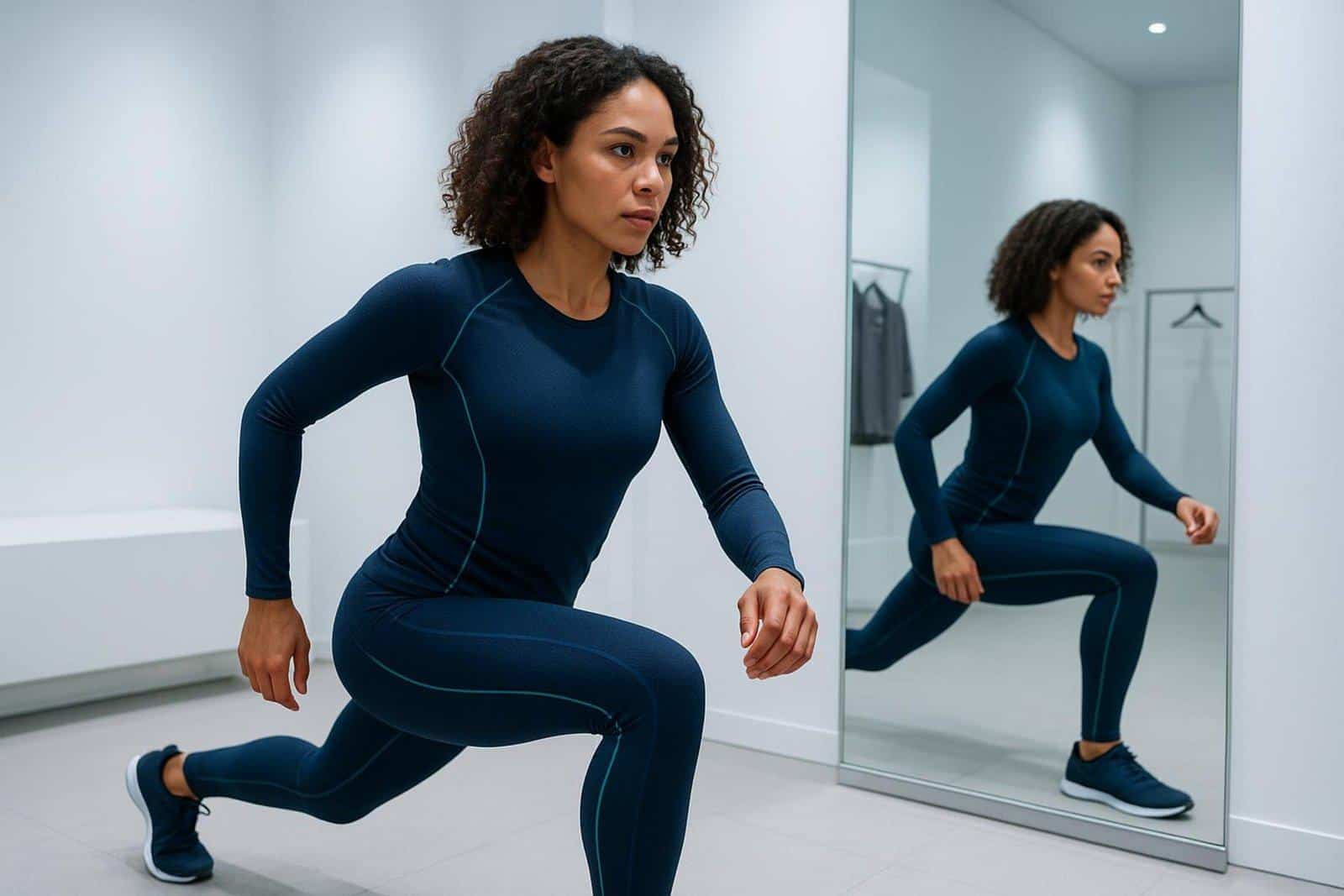
If you are buying online, focus on measurement charts instead of the size label alone. Check chest, waist, hips, and inseam numbers. Many quality brands also give “fit guides” with images that show how the clothes should sit on the body. Compare this information with customer reviews, as people often share if an item “runs small,” “runs large,” or “stretches out” after a few wears.
Recognizing Substandard Fabrics and Construction
Common Signs of Poor Quality in Athletic Clothing
The first warning sign is often how the fabric feels in your hand. If a synthetic fabric feels rough, very plastic-like, or overly thin, it likely doesn’t have the density needed to last. Pilling-little balls of fiber on the surface-is another big red flag and usually means the fibers are weak or short. Check how see-through the fabric is, too. If you can clearly see your hand through the material when it’s relaxed, it will almost certainly be see-through during a workout.
Messy insides are another clue. Turn the garment inside out and look for tangles of thread, skipped stitches, or raw edges that have not been finished. These weak spots are where holes and unraveling will appear after just a few washes.
How Cheap Materials Affect Performance and Longevity
Cheap materials cannot keep up with what your body does during exercise. They quickly lose their “memory,” so after a few hours of wear, the knees of your leggings or the hem of your shirt may stay stretched out and baggy. This looks bad and also means the garment no longer offers proper support or a smooth shape.
Low-grade synthetic fabrics are also known for holding onto bad smells. While higher-quality polyester is often treated to resist bacteria, cheaper versions give bacteria a place to grow, and odors get trapped in the fibers. Clothes then smell even after washing, and many people throw them away while the fabric is still physically intact.
Evaluating Brands, Reviews, and Return Policies
Does Brand Reputation Guarantee Quality?
A famous logo doesn’t always mean a perfect product, but bigger brands usually protect their reputation and are less likely to sell very poor goods. Their names are often built on years of decent performance and new ideas. Still, there is a difference between “lifestyle” brands that mostly sell an image of fitness and “performance” brands that put serious effort into fabric research and product testing. Some smaller brands can even offer better quality than big names because they focus on smaller batches and tighter quality control.
Spend a bit of time looking up brands known for certain technologies-like using Gore-Tex for waterproofing or advanced seamless knitting methods. Brands that are open about where they get their materials and how they make their products are usually a safer choice than those that lean only on influencer or celebrity promotion.
How Customer Reviews and Ratings Reveal Real-World Performance
Customer reviews can be very useful if you know what to look for. Search for patterns in the comments. If many people say the same thing-for example, “the waistband rolls down” or “it shrank in the wash”-those are likely real design or quality issues. Look for reviews that mention specific activities, such as “stayed dry on a 10-mile run.”
Short, vague comments like “nice item” do not help much. More helpful reviews talk about how the fabric feels, how it stretches, and how sizing compares with other brands. User photos are especially useful because they show how the clothes fit on different body types and what the colors look like in normal lighting rather than studio photos.
Return and Warranty Policies: What They Say About Confidence in Quality
A brand’s return policy often reflects how much faith they have in their products. Companies that offer long return windows (for example, 30-90 days) or let you return items after trying them at home usually expect you to be happy with your purchase. Very strict “final sale” rules on regular items can be a warning sign.
Some high-end athletic brands go further and offer limited warranties on problems like pilling or broken seams for a year or more. This kind of promise gives you peace of mind, since you know the company will fix things if the product fails under normal use. Before you buy, read the details about who pays for return shipping and whether you get a refund, store credit, or exchange.
Smart Tips for Buying Sports Apparel Online and In Store
Questions to Ask Before Buying
Before you pay, ask yourself (or a sales assistant) a few simple questions:
- Is this fabric made for the level and type of activity I’ll do?
- Are the seams flat-locked or reinforced?
- Does the product description mention moisture-wicking or anti-odor features?
If you are in a store, ask if you can do a quick squat in front of a mirror to check if leggings become see-through.
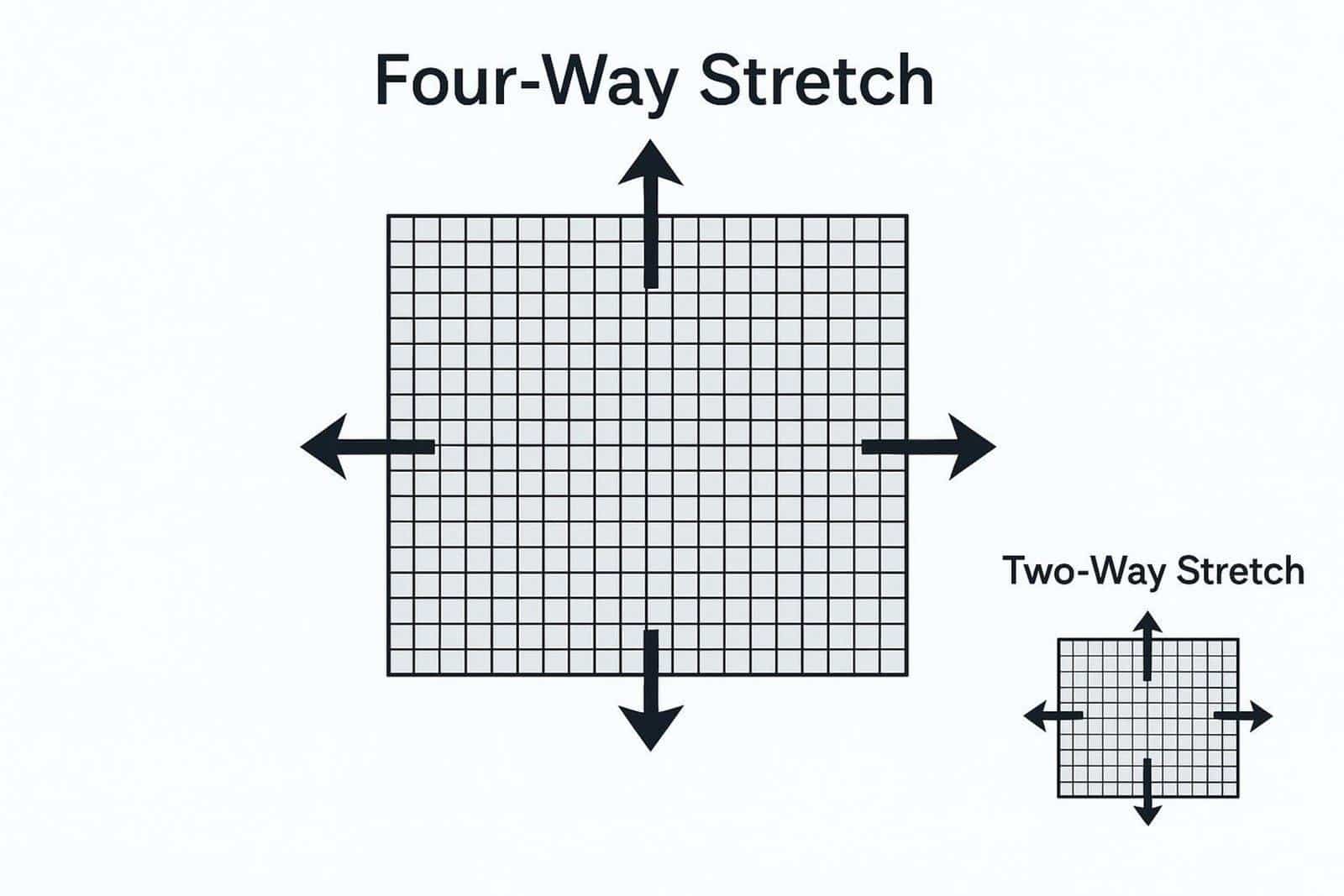
When shopping online, check the fabric breakdown. For leggings, an 80% nylon and 20% spandex blend is usually a very solid mix. Also look for “four-way stretch,” which means the fabric stretches in both directions, side-to-side and up-and-down, giving you better movement than “two-way stretch.”
Price Versus Quality: Is Expensive Always Better?
Many people believe that a higher price always means better quality, but this is not always true. Sometimes you are paying for marketing or a designer name instead of better materials. However, extremely cheap fast-fashion activewear is rarely high quality because the low prices do not allow for strong fabrics or careful construction like flat-lock seams.
You often get the best value from mid- to higher-level performance brands that focus on how the garment works. You do not need to spend a fortune, but you should expect to pay a fair amount for real moisture-wicking fabrics and durable build quality. Think of it as spending now to avoid buying replacements again and again later.
Frequently Asked Questions About High-Quality Sports Apparel
What Features Make Gym Wear Suitable for Intense Workouts?
For intense training, you need clothes that breathe well and move sweat away from your skin. Look for mesh panels in high-sweat areas and strong support in sports bras. The fabric should be lightweight but tough enough to handle rubbing from barbells, benches, or turf. Compression details can also help limit muscle shake and reduce fatigue during hard sessions.
How Can I Tell if Leggings Are Squat-Proof?
The easiest method is a mirror test in good light. Do a deep squat; if you can see your skin color or underwear pattern through the fabric, the leggings are not squat-proof. High-quality squat-proof leggings use a dense knit or extra fabric layers in the seat area to stay opaque even when fully stretched.
Is It Possible to Find Affordable Yet High-Quality Athletic Wear?
Yes, you can. Many direct-to-consumer brands sell strong performance gear without the heavy price markups of big retailers. The key is to ignore the logo and study the details: fabric blend, type of seams, and reviews about how long the item lasts. Outlet and sale sections from known performance brands are also good places to find quality pieces at lower prices.
How Should I Care for Sports Apparel to Make It Last?
To keep your gear in good shape, wash it in cold water on a gentle cycle. Do not use fabric softeners, because they coat the fibers and block the fabric’s ability to move sweat and let air through. Air drying is best. High heat in a dryer can damage spandex/elastane fibers, which leads to loss of stretch and shape.
Final Advice for Spotting Quality Sportswear Before You Buy
When you are ready to choose, pay close attention to how the garment feels in your hands. High-quality sportswear usually has a certain density-not heavy, but solid-showing a tight knit and strong fibers. When you pull on the fabric, it should resist a little and then quickly return to its original shape without leaving ripples or stretched-out marks. This feel is a direct sign of good elastane in the blend.
Also think about how many situations you can use the piece in. A truly high-quality garment is made so well that you can often wear it from the gym straight to a casual outing without it looking out of place. This “gym-to-brunch” use is common in modern, high-end activewear, where style and performance go hand in hand.
By noticing the small details-the smooth movement of a zipper, clean inside seams, and fabric that keeps bouncing back-you make sure your money goes into gear that supports you for the long term. Good sportswear does more than make you look like an athlete; it removes distractions and helps you focus on performing at your best.