

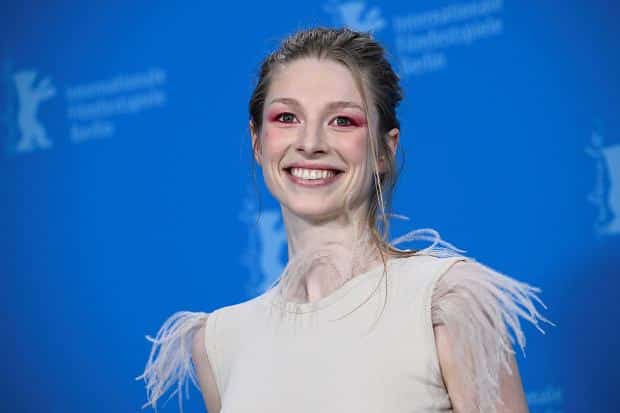
Since bursting onto the screen in HBO’s hit teen drama, Hunter Schafer has captivated audiences worldwide. Recently, however, the Euphoria star Hunter Schafer explains why she’s turning down trans roles, sparking an essential conversation about the evolution of transgender representation in mainstream media. Rather than being confined to playing her gender identity, Schafer is actively choosing projects that allow her to simply be an actor first.
Hunter Schafer: Moving Beyond the Stereotype
Fans and industry critics alike have naturally wondered: why is Hunter Schafer avoiding trans-specific roles? The answer lies in her profound desire for breaking free from Hollywood typecasting. Following the undeniable Jules Vaughn character influence on television, Schafer found herself heavily associated with scripts explicitly written for trans women. While Jules was a groundbreaking and beloved character, Schafer recognized the creative limitations of exclusively choosing identity-focused roles vs character-driven acting.
By shifting her focus to broader storytelling, the Hunter Schafer career trajectory post-Euphoria serves as a masterclass in how to navigate trans identity in professional acting. Long before her television debut, her versatile Hunter Schafer fashion and modeling background proved her ability to adapt to diverse artistic visions. Now, by consciously stepping away from hunter schafer trans roles, she is proving that transgender actors possess immense range far beyond their personal demographic history.
Normalizing Trans Talent in Hollywood
The entertainment industry is slowly waking up to the impact of gender-neutral casting on LGBTQ+ actors. Historically, the challenges facing non-binary and trans performers have included being pigeonholed into trauma narratives or strictly educational storylines. Schafer’s refusal to be boxed in redefines what defines authentic trans visibility in cinema.
When casting directors allow performers to embody any character, it promotes true equality on screen. It elevates transgender visibility by normalizing trans existence—showing that trans people exist in all spaces, professions, and genres without their gender being the plot’s focal point.
Hunter Schafer: Why Industry Expansion Matters
Schafer’s bold career pivot highlights several positive shifts in the entertainment sector that emerging actors can learn from:
- New creative standards: Moving past basic inclusion aligns seamlessly with modern GLAAD Media Award standards for representation, which advocate for nuanced, multidimensional LGBTQ+ characters.
- Artistic freedom: Recognizing the benefits of casting trans actors in non-trans roles allows performers to showcase raw talent and versatility.
- Career longevity: Schafer’s approach offers highly practical strategies for diversifying an acting portfolio, demonstrating that marginalized talents do not have to accept every niche role just to secure screen time.
The Takeaway
Ultimately, the future of inclusive storytelling in film relies on treating trans performers as versatile, unrestricted artists. The fact that the Euphoria star Hunter Schafer explains why she’s turning down trans roles shouldn’t be seen as a rejection of her community, but rather a powerful, progressive step forward for it. By demanding the right to play complex, everyday characters, she is successfully paving the way for a more authentic and boundless era of cinema.