

Table of Contents
- Introduction
- Adaptive Reuse of Historic Structures
- Modular Construction for Rapid Deployment
- 3D-Printed Eco-Friendly Homes
- Smart Technology Integration
- Sustainable Materials in Custom Buildings
- Custom Steel Buildings for Multi-Purpose Use
- Artistic Concrete Applications in Commercial Spaces
- Conclusion
Modern architecture continues to evolve, leveraging technology, sustainability, and creativity to redefine the built environment. At the center of this evolution are custom buildings, tailored to suit unique functions and inspired design visions. Whether revitalizing cityscapes or advancing eco-friendly solutions, custom structures deliver unmatched value across sectors. For those in the Northeast, a steel building contractor in NJ can provide expert guidance on integrating these innovations into commercial, agricultural, or industrial spaces.
Custom architecture is transforming both urban and rural landscapes through the adaptive reuse of historic buildings and the integration of smart technologies and eco-materials. Modern construction methods tailor projects to specific needs, combining lasting function with visual appeal. These innovations also align with social and environmental goals, employing creative design approaches and sustainable materials. The architectural industry increasingly values adaptability and innovation, signaling a future where respect for tradition meets advanced technology, benefiting communities and investors alike.
Adaptive Reuse of Historic Structures
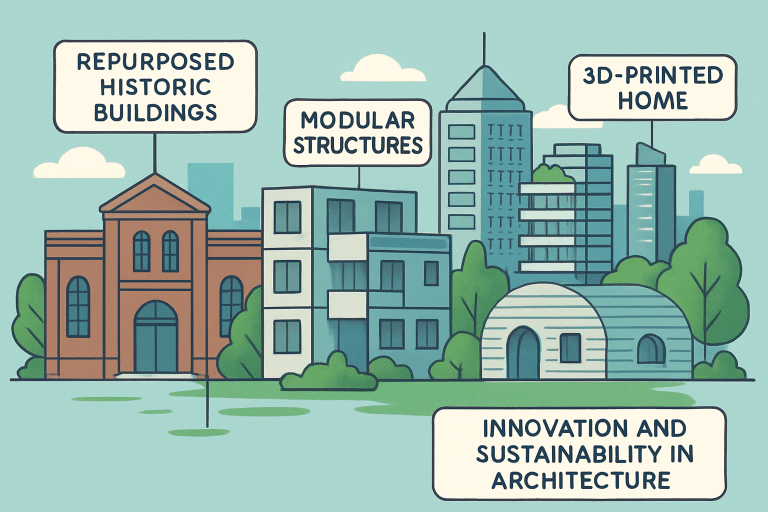
Adaptive reuse is an innovative approach that breathes new life into aging buildings, transforming them into vibrant, functional spaces. Cities like Houston are at the forefront of this movement, converting historic warehouses and factories into sleek offices, boutique hotels, or dynamic retail complexes. Such projects blend the charm of original architecture with modern amenities, resulting in unique environments that support local culture and sustainable development. By prioritizing the conservation of existing resources, adaptive reuse not only reduces urban sprawl but also preserves the architectural heritage that defines city identities.
Modular Construction for Rapid Deployment
Modular construction is reshaping how communities, businesses, and municipalities address urgent infrastructure challenges. Prefabricated off-site and assembled swiftly on-site, modular units are used for classrooms, hospitals, temporary housing, and disaster recovery projects. Their speed and cost-efficiency are unmatched, making them the go-to solutions for areas facing population surges or unexpected crises. Furthermore, modular buildings can be easily expanded, repurposed, or relocated, offering significant long-term flexibility.
3D-Printed Eco-Friendly Homes
The marriage of 3D printing and environmentally conscious design is creating new possibilities for affordable, sustainable housing. Noteworthy initiatives, such as clay-based homes that generate minimal waste, minimize the use of non-renewable materials while enabling bespoke architectural forms. These structures are cost-effective and can be constructed rapidly, which is increasingly critical for addressing global housing shortages. Industries and governments are now investing in 3D printing technologies to deliver scalable, green solutions for the future of residential architecture.
Smart Technology Integration
Smart technology is revolutionizing custom buildings, delivering unprecedented convenience and efficiency. Homeowners and commercial property managers now benefit from automated systems that control lighting, security, temperature, and entertainment with just a voice command or an app. Advanced building management solutions also help conserve energy and reduce operational costs, making them a cornerstone of next-generation design. Today’s custom homes and workplaces are more personalized, secure, and sustainable thanks to ongoing advancements in the Internet of Things (IoT) and artificial intelligence-driven systems. Integration of these technologies future-proofs assets and significantly enhances both comfort and productivity.
Sustainable Materials in Custom Buildings
The shift towards using recycled, renewable, and low-carbon materials is reshaping the construction landscape. Architects and builders increasingly specify products such as recycled steel, reclaimed timber, and advanced low-emission concrete for custom builds. These sustainable materials substantially reduce the carbon footprint of new projects, supporting clients’ green goals and meeting evolving governmental regulations. This attention to sustainability not only benefits the environment but also increases long-term return on investment as energy-efficient buildings command higher market values and lower utility costs.
Custom Steel Buildings for Multi-Purpose Use
Steel buildings are some of the most versatile and durable options for modern construction. Ideal for commercial, agricultural, and community projects, they easily accommodate everything from large event spaces to breweries and athletic centers. Modern steel design allows for wide, column-free interiors, providing maximum adaptability for a variety of uses. These innovations mean that owners don’t have to compromise on either aesthetics or utility, making steel a preferred material for forward-thinking building projects.
Artistic Concrete Applications in Commercial Spaces
Concrete is no longer just utilitarian; it has become a medium for artistic expression in commercial settings. Designers are using polished floors, sculptural walls, and decorative surfaces to enhance both ambiance and brand identity. Restaurants, hotels, and retail environments leverage concrete’s flexibility to create distinctive features, ensuring each space stands out while maintaining lasting durability and minimal maintenance. As the demand for unique commercial experiences grows, the creative use of concrete continues to gain momentum.
Conclusion
Custom buildings represent the cutting edge of architectural progress, melding bespoke design with sustainability, rapid deployment, and the latest technologies. Through adaptive reuse, modular innovation, 3D printing, smart systems, and flexible materials, the boundaries of what structures can achieve are being continually redefined. These approaches provide pathways not just to functional or beautiful spaces, but to environments that enhance community resilience, respond to changing demands, and champion environmental responsibility.