

Table of Contents
- Embracing Digital Learning Platforms
- Leveraging Microlearning Techniques
- Incorporating Gamification Elements
- Utilizing Virtual and Augmented Reality
- Implementing AI and Machine Learning
- Fostering Social Learning Environments
- Consolidating Training Management Systems
- Prioritizing Continuous Skill Development
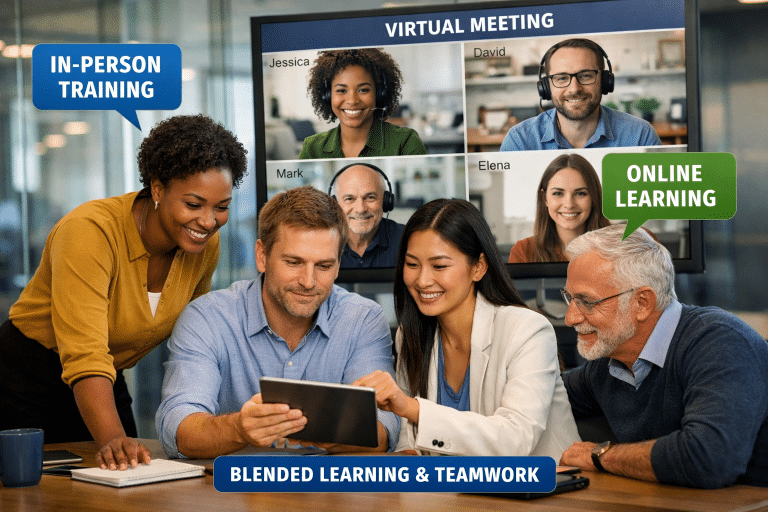
In today’s rapidly evolving business environment, organizations must look beyond conventional approaches to foster a productive and resilient workforce capable of navigating constant change. Investing in new training methodologies ensures that companies not only keep pace with advancements but also empower their teams to excel. Modern solutions enable employers to manage classroom and virtual training at scale, ensuring employees receive quality development opportunities regardless of location or schedule.
The shift towards digital learning, practical technologies, and smarter systems is helping organizations reduce administrative burdens, increase efficiency, and provide memorable learning experiences. Whether upskilling technical staff or enhancing leadership, tailoring training initiatives to today’s needs is essential for long-term growth and engagement. These innovative strategies offer significant benefits by improving skill retention, boosting workplace morale, and making professional development accessible to all.
Traditional workshops and static eLearning cannot fully address the diversity of learning preferences or the rapid evolution of job roles. Organizations that embrace innovative training strategies are better positioned to attract and retain top talent while preparing employees for the future. Successful training management ultimately translates into sustainable success and competitive advantage.
Effective training is about more than knowledge transfer. It is about creating an environment where continuous learning is valued, collaboration is encouraged, and every team member can reach their full potential. Adopting these innovative strategies serves as a foundation for a thriving organizational culture and ongoing business success.
Embracing Digital Learning Platforms
Digital learning platforms provide unparalleled flexibility for organizations and learners alike. With features like interactive multimedia content, mobile accessibility, and personalized learning paths, these platforms allow employees to engage with material on their own terms. According to McKinsey & Company, companies adopting digital learning see measurable improvements in training efficiency and employee satisfaction. A tailored approach enables organizations to address skills gaps swiftly while supporting a diverse and distributed workforce.
Leveraging Microlearning Techniques
Microlearning presents information in concise, easily digestible segments that focus on specific skills or tasks. This method mirrors how people naturally absorb new information and is particularly effective for busy professionals. Research in the Association for Talent Development (ATD) reveals that microlearning can significantly increase learner engagement and efficiency compared to traditional, lengthy formats. By providing just-in-time training, organizations help employees apply new knowledge more quickly to real work scenarios.
Incorporating Gamification Elements
Gamification uses point systems, badges, leaderboards, and challenges to add a layer of motivation and fun to training programs. Learners are often more willing to participate, complete modules, and revisit materials, leading to better retention and skill mastery. Applying game mechanics also encourages healthy competition and peer recognition, which in turn supports organizational camaraderie. As Forbes discusses, companies utilizing gamification report improved performance and engagement among participating employees.
Utilizing Virtual and Augmented Reality
Virtual and augmented reality (VR and AR) create safe, immersive learning experiences that simulate real-world conditions. These technologies are ideal for complex technical training, safety drills, or equipment operation. By bypassing the risks and costs associated with on-the-job practice, VR and AR empower employees to develop proficiency and confidence before facing actual job tasks. The use of immersive technologies is increasing across industries such as healthcare, construction, and manufacturing.
Implementing AI and Machine Learning
Integrating artificial intelligence (AI) and machine learning into training management systems transforms how organizations tailor education. AI-driven analytics assess performance, preferences, and learning pace, ensuring every employee receives the most relevant content. Predictive insights help managers plan ahead and proactively address emerging skill gaps. This personalized approach to learning is shaping the future of professional development, making training smarter and more impactful.
Fostering Social Learning Environments
Social learning leverages collaboration and peer-to-peer knowledge exchange as a powerful complement to formal training. Platforms that connect employees across departments and locations promote knowledge sharing, problem-solving, and innovation. Encouraging peer mentorship, group projects, or internal discussion forums fosters a culture of continuous improvement and engagement, as recommended by SHRM in employee development research.
Consolidating Training Management Systems
Efficient training management requires integrated systems that consolidate administration, scheduling, content delivery, and analytics in one place. This comprehensive approach eliminates inefficient silos, reduces manual processes, and provides actionable data to drive ongoing improvements in training efforts. Consolidation of training operations also supports scalability, making it easier to expand programs and maintain consistent quality across the organization.
Prioritizing Continuous Skill Development
To remain agile in a rapidly changing landscape, organizations must commit to ongoing skill development. This means regular upskilling, reskilling, and access to current industry resources. Providing employees with opportunities for professional growth not only increases retention but also ensures the business remains competitive regardless of market shifts or technological advancements. A learning-centric culture is essential for long-term adaptability and success.
Integrating digital-first, engaging, and collaborative approaches into training management equips organizations to meet today’s challenges and seize future opportunities. Commitment to innovative strategies builds adaptable teams, satisfied employees, and resilient businesses positioned for lasting achievement.