


Introduction: The Dream of the Racetrack
Many of us dream of racing cars. We watch professionals speed around tracks. We imagine ourselves behind the wheel, feeling the thrill. But how do we go from being a spectator to actually driving a race car? This journey often begins at a specialized racing school.
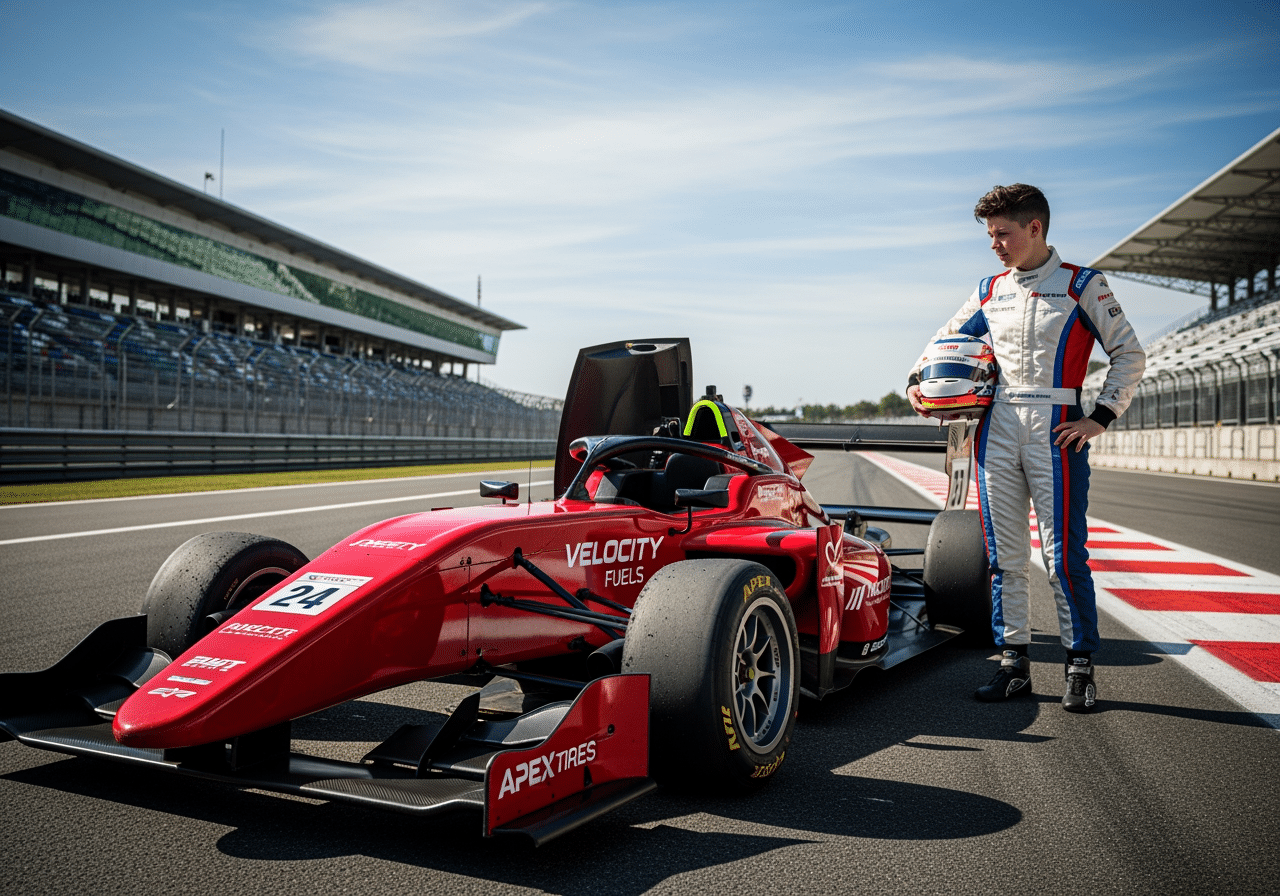
Racing schools teach us the core skills needed to compete. They offer a structured way to learn. They prepare us for the unique demands of motorsports. To start, most schools require a valid driver’s license. You also need to be comfortable driving a manual transmission.
In this extensive guide, we will show you what these schools teach. We will cover everything from fundamental driving techniques to advanced race craft. We’ll explore the types of vehicles used and the importance of safety. We will also look at how to get a competition license, the costs involved, and possible career paths. Our goal is to explain the process of becoming a race car driver.
What can you expect from a racing school? A typical two-day program is packed with learning.

The Ultimate Racing School Experience: From Classroom to Cockpit
Stepping into a racing school is a transformative experience. It’s where the abstract concepts of speed and control become tangible realities. The journey from theory to practice is immediate and immersive, pushing us beyond our comfort zones and into a world of precision and exhilarating performance.

From the moment we arrive, the atmosphere is electric. We transition from classroom sessions, where instructors break down complex driving theories, to the cockpit of a high-performance machine. This hands-on learning approach is paramount. We don’t just hear about vehicle dynamics; we feel them. We don’t just read about the racing line; we drive it. The immediate feedback from experienced instructors, coupled with the raw thrill of experiencing high G-forces in corners and under braking, accelerates our learning curve like nothing else. It’s an environment designed to forge disciplined, skilled drivers.
Fundamental Skills: A Unique Racing School Experience
At the heart of every reputable racing school lies a carefully crafted curriculum focused on fundamental driving skills. These aren’t merely extensions of everyday driving; they are specialized techniques honed for the extreme demands of a racetrack.
- Car Control Basics: Before speed, comes control. We learn the delicate balance of steering, throttle application, and braking. Understanding how these inputs affect the car’s attitude and grip is foundational.
- Vehicle Dynamics: A race car is a finely tuned instrument. Schools teach us about weight transfer – how acceleration, braking, and cornering shift the car’s weight, influencing tire grip. We learn to anticipate and manage understeer (when the front tires lose grip) and oversteer (when the rear tires lose grip), turning potential hazards into controllable maneuvers.
- The Racing Line: This is the optimal path around any given racetrack, designed to maximize speed and minimize lap times. It involves precise entry points, apexes, and exit points for every corner. Mastering the racing line is a continuous process of observation, practice, and refinement.
- Braking Techniques: Racing braking is an art form. We are taught progressive braking, where pressure is gradually increased to maximize deceleration without locking the wheels. Threshold braking, pushing the brakes to the very limit of tire adhesion, becomes second nature.
- Trail-Braking: This advanced technique involves maintaining some brake pressure as we turn into a corner. It helps transfer weight to the front tires, increasing front-end grip for better turn-in, and can also be used to subtly adjust the car’s balance.
- Heel-Toe Downshifting: Essential for smooth, stable downshifts under heavy braking. This technique involves using the heel or side of the foot to blip the throttle while the toe simultaneously applies the brake and the clutch is engaged to select a lower gear. It prevents unsettling the car and keeps the engine in its optimal power band.
- Skid Pad Exercises: These controlled environments are invaluable for understanding and correcting slides. We intentionally induce oversteer and learn to use steering and throttle inputs to recover control, building confidence and quick reflexes.
- Vision and Awareness: On the track, where we look dictates where we go. Schools emphasize looking far ahead, anticipating events, and maintaining situational awareness of other cars and track conditions. This proactive vision is critical for safety and speed.
- Mental Focus: Racing demands intense concentration. Instructors teach techniques for maintaining focus, managing adrenaline, and staying calm under pressure. The mental game is as crucial as the physical one.
- Physical Conditioning: While not always a direct part of on-track instruction, the importance of physical fitness is underscored. Core strength, endurance, and quick reaction times are vital for enduring the physical demands of a race car and maintaining peak performance throughout a session.
Behind the Wheel: The Cars and the Technology
The choice of training vehicle is critical for effective racing instruction. Many schools, particularly those focused on developing pure driving talent, use formula cars. These open-wheel, single-seater machines are purpose-built for racing and offer an unparalleled learning platform.
Their open-wheel design means we can see the tires and their interaction with the track, providing immediate visual feedback on grip levels. The lack of a roof and fenders also contributes to superior aerodynamics and an incredibly direct driving experience. Many modern training formula cars feature a carbon fiber chassis, which provides immense rigidity and safety, similar to professional racing machines. This stiff platform translates every driver input and every nuance of the track directly to us, allowing for precise control and a deep understanding of vehicle behavior. Coupled with racing slicks, tires designed for maximum grip on dry surfaces, these cars deliver incredible cornering forces and braking capabilities, pushing us to explore the true limits of adhesion.
Beyond the cars themselves, modern racing schools integrate cutting-edge technology into their training. Data acquisition systems are standard, recording everything from lap times and sector splits to throttle position, brake pressure, steering angle, and G-forces. After each session, we download this data and analyze it with our instructors. This objective feedback pinpoints areas for improvement, showing exactly where we gained or lost time, where our inputs were smooth or abrupt, and how we compare to the instructor’s ideal lap. This data helps us understand where we can push harder, a key part of finding the Allen Berg racecar limits.
In-car video analysis complements the data, providing a visual record of our driving. Watching ourselves negotiate corners, apply inputs, and react to situations offers invaluable insights that data alone cannot provide. It helps us correlate our actions with the car’s behavior and the resulting lap times.
Furthermore, many schools incorporate advanced simulators into their programs. These aren’t just video games; they are sophisticated training tools that replicate the physics and feel of real race cars on specific tracks. Simulators allow us to practice new techniques, learn track layouts, and experiment with different approaches in a low-risk, cost-effective environment. They provide virtual seat time, helping to build muscle memory and mental preparation before we even hit the real asphalt. This combination of advanced machinery and sophisticated technology ensures a comprehensive and highly effective learning experience.
Safety First: The Most Important Lesson on Track
In the high-speed world of motorsports, safety is not just a priority; it is the absolute foundation upon which all training is built. Racing schools instill a deep respect for safety protocols from the very first moment.

Every program begins with comprehensive safety briefings. These sessions cover everything from the proper use of safety equipment to understanding track rules and emergency procedures. We learn the meaning of various flags and signals – the universal language of the racetrack – which communicate critical information about track conditions, hazards, and instructions from race control. Adhering to these signals is non-negotiable and vital for everyone’s well-being.
On-track procedures are strictly enforced. This includes disciplined behavior in the pit lane, understanding safe passing zones and techniques, and knowing how to react calmly and correctly in the event of a spin or mechanical issue. We are taught to pull off the racing line safely, signal our intentions, and await assistance.
The vehicle safety features of the training cars are also highlighted. These purpose-built machines are equipped with robust roll cages, multi-point racing harnesses, fire suppression systems, and often specialized energy-absorbing structures designed to protect the driver in a crash. We learn how these systems work and why they are crucial.
Finally, personal safety equipment is mandatory. This includes a Snell-rated helmet, a HANS (Head and Neck Support) device to prevent whiplash, fire-resistant racing suits, gloves, and specialized racing shoes. Proper fit and maintenance of this gear are emphasized, as it forms our last line of defense. Understanding and respecting these safety measures is not just about protecting ourselves; it’s about ensuring a safe environment for all participants and track personnel.
Beyond the Checkered Flag: Licensing, Costs, and Career Paths
Completing a racing school program is a significant milestone. It marks the transition from aspiring enthusiast to a driver with foundational skills. But what comes next? The journey doesn’t end when the checkered flag waves on your final school session. Instead, it opens doors to a practical side of racing, whether you aim to turn your newfound passion into a rewarding hobby or pursue a professional career. Long-term planning, understanding the pathways, and managing expectations are key to navigating the motorsport landscape.

Earning Your Stripes: A Rewarding Racing School Experience
For many, the ultimate goal of attending a racing school is to obtain a competition license, which is essential for participating in sanctioned races. Organizations like the Sports Car Club of America (SCCA) are primary licensing bodies in North America. A common entry point is the SCCA Novice Permit, which allows drivers to compete in specific events while gaining experience.
Racing schools play a crucial role in this process. Many are accredited or recognized by sanctioning bodies, meaning their curriculum meets the necessary standards for license eligibility. Upon successful completion of an approved program, students typically receive documentation that can be submitted with their license application. It’s important to note the 365-day rule: students usually have a year after completing their school program to apply for their competition license before the school certificate expires.
Here are the typical steps to get a competition license after completing a racing school:
- Complete an Approved Racing School Program: This is the foundational step, providing the necessary driving skills and theoretical knowledge.
- Obtain a Medical Examination: A physical exam from a licensed physician, often using a specific motorsport medical form, is required to ensure you are fit for racing.
- Pass a Written Test: This assesses your understanding of racing rules, flags, and safety procedures.
- Submit Your Application: Compile all necessary documents, including your school completion certificate, medical form, and written test results, to the relevant sanctioning body (e.g., SCCA).
- Gain On-Track Experience: For a full competition license, a novice permit holder often needs to complete a certain number of race weekends or supervised events without incident.
The Investment in Speed: Understanding the Costs
The dream of racing, while exhilarating, comes with a financial reality. Attending a racing school is an investment, and understanding the associated costs is crucial for planning.
Tuition fees for racing school programs vary widely based on duration, intensity, and the type of vehicles used. Programs can range from one-day introductory experiences to multi-day advanced courses. These fees typically include the use of a race car, fuel, tires, and professional instruction. This “arrive-and-drive” model is one of the significant benefits of a school, as it eliminates the massive expense and logistical challenge of owning and maintaining a race car yourself for initial training.
However, be aware of damage liability. In the event of an accident, students are often responsible for a portion, or sometimes the entirety, of the damage to the vehicle or track property. Many schools offer optional insurance policies or damage waivers that can significantly reduce this financial risk, though these come at an additional cost. We always recommend thoroughly reviewing the school’s liability and insurance terms before enrolling.
When considering the costs, it’s also helpful to compare them to alternatives like club racing. While the per-event cost of club racing might seem lower, it requires personal ownership and maintenance of a race car, which involves significant upfront investment, ongoing expenses for parts, tires, fuel, and transport, plus the time commitment for preparation and repairs. Racing schools, particularly for initial training and licensing, often represent a more efficient and focused way to gain experience without the full burden of car ownership.
Your Future in Motorsport: What Comes Next?
Graduating from a racing school is just the beginning of your motorsport journey. The path you choose afterward depends on your aspirations, resources, and dedication.
For many, the next step is amateur racing and participation in SCCA club events. These provide accessible, competitive environments to apply the skills learned in school, gain valuable race craft, and further develop as a driver. Club racing offers a diverse range of car classes, from production-based cars to purpose-built formula machines, allowing drivers to find a category that suits their interests and budget.
For those with professional aspirations, motorsport offers various professional ladder systems. These structured pathways, such as the Road to Indy in North America or the F1 Academy internationally, guide talented drivers through progressively higher categories of racing, ultimately aiming for top-tier series like IndyCar or Formula 1. These ladders often involve significant financial backing, either through personal sponsorship or team support, and intense competition.
It’s also important to distinguish between independent racing schools and driver academies associated with professional racing teams. Independent schools, like the ones we’ve discussed, cater to a broader audience, from enthusiasts to aspiring professionals, providing fundamental and advanced training. Driver academies, on the other hand, are typically run by major professional teams (e.g., Formula 1 teams) and are highly selective, recruiting very young, elite talent, often from karting. These academies offer comprehensive support, including financial backing, physical training, media coaching, and direct integration into the team’s structure, with the explicit goal of developing future professional drivers for their own ranks. The competition to enter and succeed in these academies is incredibly fierce.
Beyond driving, a career in motorsport offers numerous other exciting avenues. Graduates of racing schools, or those with a passion for the technical side, can pursue careers beyond driving, such as race mechanics, engineers, data analysts, team managers, or even marketing and logistics specialists within the industry. Programs like the Simraceway Mechanics Training Program or the University of Northwestern Ohio’s High Performance Motorsports program demonstrate the demand for skilled professionals in these areas, with thousands of graduates finding employment across various racing series.
Racing is a journey of continuous learning. The skills, discipline, and passion cultivated in racing school serve as a strong foundation, but the pursuit of speed and excellence on track is an ongoing endeavor, demanding constant practice, adaptation, and a relentless drive for improvement.