

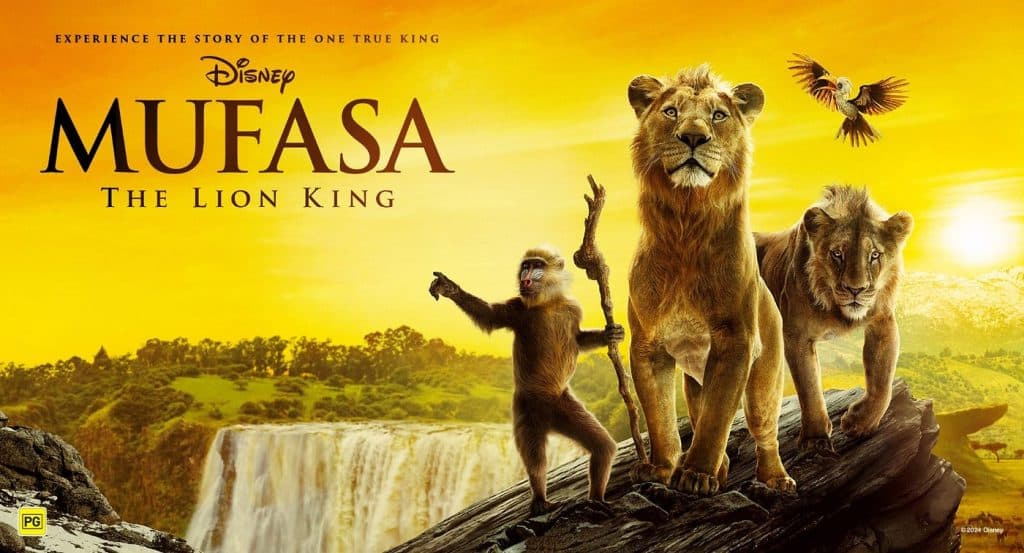
Whether you first watched in 1994 or 2019, Mufasa remains cinema’s ultimate father figure, but his significance extends far beyond the screen. Fittingly, the name Mufasa translates directly to “King” in Swahili, cementing his status as the foundational ruler of the Pride Lands. Through the distinct vocal authority of James Earl Jones, this character transcends animation to become a symbol of leadership that echoes long after the credits roll.
Mufasa The Lion King: The Throne of Pride Rock: Decoding Mufasa’s Circle of Life Philosophy vs. Scar’s Tyranny
To Mufasa, ruling the Pride Lands wasn’t about holding power—it was about maintaining balance. While it is easy to remember him for his booming roar, his most defining moment occurs during a quiet sunrise walk with Simba. Here, he explains that the “Circle of Life” is not merely nature’s biological cycle, but a delicate system of mutual respect where even a king eventually becomes grass for the antelope to eat. This perspective frames leadership as stewardship; a true king protects the ecosystem rather than dominating it, ensuring that the land thrives long after his reign ends.
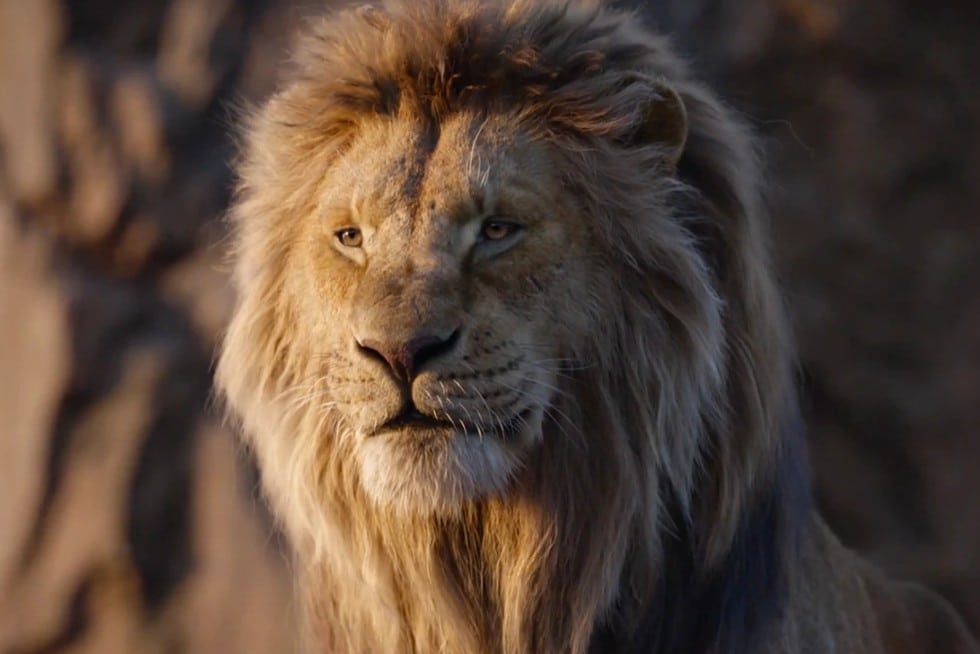
Scar, by contrast, views the throne as an opportunity for absolute consumption. His failure to respect the interconnectedness of their world leads directly to the desolate, gray wasteland seen later in the film. While Mufasa operates as a guardian who understands limits, Scar functions as a tyrant who believes the world owes him everything. This clash of philosophies highlights the specific traits that distinguish a protector from a dictator:
- Motivation: Mufasa serves the pride, whereas Scar expects the pride to serve him.
- Resource Management: Mufasa respects limits to ensure regrowth; Scar overhunts until the land dies.
- Succession: Mufasa prepares the next generation to lead; Scar eliminates competition to keep power.
This fundamental conflict between giving and taking sets the stage for the film’s emotional core, where a father’s guidance must eventually transcend even death.
Lessons from the Stars: Why Mufasa’s Sacrifice and the Great Kings of the Past Define Simba’s Journey
Tragedy often serves as the sharpest teacher in the Pride Lands. While audiences vividly remember the stampede in the gorge and ask how Mufasa died in The Lion King, the true significance of Mufasa’s sacrifice lies in how it forces Simba to navigate the world without his protector. Before this heartbreaking loss, Mufasa plants a crucial seed of hope through the Great Kings of the Past constellation symbolism. By revealing that ancestors watch from the night sky, he ensures his guidance acts as an eternal moral compass, preparing his son for a future where he must rely on spiritual wisdom rather than physical safety.
Years later, those same stars facilitate the film’s most pivotal turning point. The lessons Simba learned from his father manifest as a vision in the clouds, reminding the exiled prince that running from the past is a denial of his true identity. Mufasa’s command to “remember who you are” reframes his earlier death not as a final defeat, but as a transformation into a necessary guide. This enduring connection proves that a king’s legacy relies on wisdom passed down rather than brute strength, paving the way for Simba to finally accept his own place in the cycle.
Mufasa The Lion King: Long Live the King: How Mufasa’s Story Continues to Shape a New Generation
Whether you prefer the original’s emotion or the remake’s realism in a Mufasa 1994 vs 2019 character comparison, the king’s influence endures. With the Mufasa: The Lion King trailer teasing new chapters, our Guide to Mufasa backstory and origins is just beginning. Mufasa remains cinema’s eternal father figure, reminding us that a true leader’s legacy isn’t written in stone, but in the lives of those they protect.