

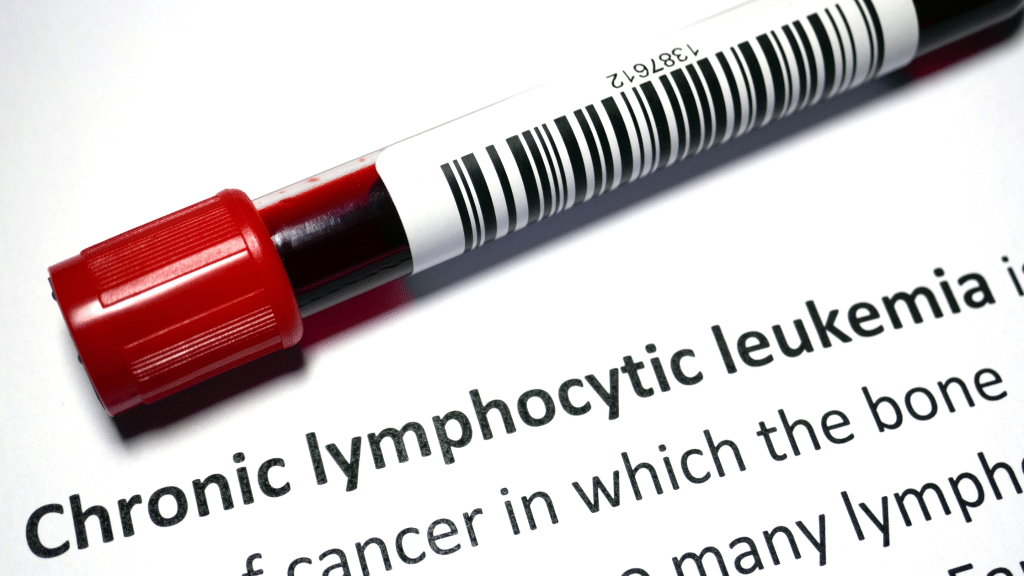
Chronic Lymphocytic Leukemia (CLL) is one of the most common types of leukemia in adults. It is a cancer that affects a type of white blood cell called lymphocytes. Over the past decade, treatment options for CLL have changed significantly. Instead of relying only on traditional chemotherapy, doctors now use targeted therapies that focus on specific proteins inside cancer cells.
Two of the newer treatments that have gained attention are Brukinsa and Jaypirca. Many patients and healthcare professionals are now searching for information about jaypirca vs brukinsa to better understand how these therapies compare and where they fit in CLL care. This article provides a clear overview of both treatments, how they work, and what makes them different.
Understanding Chronic Lymphocytic Leukemia (CLL)
CLL is a slow-growing cancer that begins in the bone marrow and spreads into the blood. Some people may live for years without symptoms, while others may need treatment soon after diagnosis.
Treatment decisions depend on several factors, including the stage of the disease, symptoms, genetic changes, and previous treatments. Over time, researchers have developed targeted drugs that block specific pathways that cancer cells use to survive and grow. One important target in CLL treatment is a protein called Bruton’s Tyrosine Kinase (BTK).
What Is Brukinsa?
Brukinsa is the brand name for Zanubrutinib. It is a second-generation BTK inhibitor. This means it blocks the BTK protein, which plays a key role in helping CLL cells grow and survive. By blocking this protein, Brukinsa slows down or stops the growth of cancer cells.
Brukinsa is administered orally and is usually provided as tablets. It has been approved for certain blood cancers, including CLL. Compared to earlier BTK inhibitors, it was designed to be more selective, meaning it targets BTK more precisely and may reduce certain side effects.
Clinical studies have shown that Brukinsa is effective in both newly diagnosed patients and those who have already received other treatments.
What Is Jaypirca?
Jaypirca is the brand name for Pirtobrutinib. It is a newer type of BTK inhibitor known as a non-covalent (or reversible) BTK inhibitor. Unlike earlier BTK inhibitors, Jaypirca can work even when cancer cells develop resistance to first-generation drugs.
Resistance can occur when mutations change the structure of the BTK protein. Some patients who stop responding to older BTK inhibitors may still benefit from Jaypirca because it binds to BTK in a different way.
Jaypirca is also taken orally. It has shown promising results in patients whose disease has returned or progressed after previous treatments.
How BTK Inhibitors Work in CLL
To better understand jaypirca vs brukinsa, it helps to know how BTK inhibitors function. BTK is part of a signaling pathway inside B cells, which are the cells affected in CLL. When BTK is active, it sends signals that help cancer cells survive.
BTK inhibitors block this signal. Without it, the cancer cells become weaker and may die. While both Brukinsa and Jaypirca target BTK, they differ in how they bind to the protein and how they handle resistance mutations.
Jaypirca vs Brukinsa: Mechanism Differences
When comparing Jaypirca vs Brukinsa, one key difference is how each drug binds to BTK.
Brukinsa binds permanently to the BTK protein at a specific site. Covalent binding is the term for this kind of binding. It is effective but may become less useful if the binding site changes due to a mutation.
Jaypirca, on the other hand, binds reversibly. It does not rely on the same binding site. Because of this, it can still work even when certain mutations are present. This makes Jaypirca an important option for patients who have already been treated with other BTK inhibitors.
Effectiveness in Clinical Studies
Both drugs have shown strong results in clinical trials. Brukinsa has demonstrated high response rates in patients with CLL, including those with high-risk genetic features. It has also been compared to older BTK inhibitors and shown similar or improved outcomes in some studies.
Jaypirca has been studied mainly in patients whose disease progressed after other treatments. In these cases, it has shown meaningful response rates, even in patients who previously received other BTK inhibitors.
As research continues, doctors are gaining more data to guide decisions between these therapies.
Safety and Side Effects
All medications have potential side effects. For Brukinsa, common side effects include low blood counts, bruising, mild infections, and fatigue. Some patients may also experience heart rhythm problems, although this risk appears lower compared to earlier BTK inhibitors.
Jaypirca also has side effects such as fatigue, diarrhea, and low blood counts. However, early data suggest that it may have a manageable safety profile, even in heavily treated patients.
When considering Jaypirca vs Brukinsa, doctors look closely at each patient’s health history, including heart conditions and previous drug reactions.
When Might Each Therapy Be Used?
Brukinsa is often considered for patients who are starting targeted therapy for CLL. It may also be used in patients who have relapsed after chemotherapy or other treatments.
Jaypirca is often considered in patients whose disease has progressed after treatment with other BTK inhibitors. Because of its unique binding method, it can provide an option when resistance develops.
The choice between the two depends on treatment history, genetic test results, overall health, and patient preference.
Ongoing Research and Future Outlook
Research into CLL treatments continues to grow. Studies are exploring combinations of BTK inhibitors with other targeted drugs to improve results. Researchers are also studying long-term safety and survival outcomes.
The discussion around Jaypirca vs Brukinsa will likely evolve as more head-to-head data and real-world experience becomes available. Future trials may clarify which patients benefit most from each therapy.
Broader Industry and Research Context
The development of drugs like Brukinsa and Jaypirca reflects the broader progress in cancer research. Biotechnology companies, research teams, and healthcare organizations are working together to create more precise treatments.
Industry observers, including firms such as Negotia and Innovative Talent Group, often track developments in oncology as part of wider healthcare and life sciences trends. Their analysis reflects how targeted therapies are reshaping treatment standards across many blood cancers, not just CLL.
Conclusion: Making Informed Treatment Decisions
The comparison of Jaypirca vs Brukinsa highlights how CLL treatment has become more personalized. Both therapies target the same protein but use different approaches. Brukinsa offers a selective, second-generation BTK inhibition option, while Jaypirca provides a solution for patients who develop resistance to earlier treatments.