

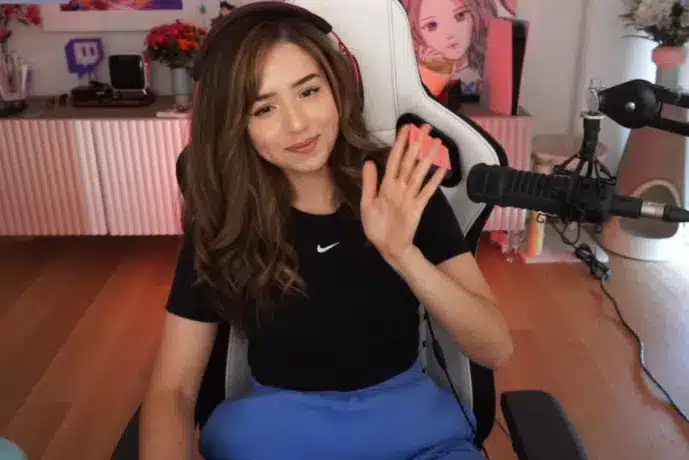
Imagine scrolling through social media, only to find a realistic—but completely fake—video of yourself doing something you never did. For Imane ‘Pokimane’ Anys, one of the internet’s most popular streamers, this nightmare recently became a reality (Pokimane AI).
The culprits were AI “deepfakes,” hyper-realistic videos created without her consent. Her statement on the incident has ignited a crucial conversation, reframing the issue not as celebrity drama, but as a deeply personal violation that could affect anyone.
What is a Deepfake and Why Is It So Dangerous?
So, what is an AI deepfake? Think of it like an advanced Photoshop, but for video. The technology works by “training” an AI on countless public photos and videos of a person. By studying their face from every angle, the AI learns to digitally map that person’s likeness onto someone else’s body in a video, creating a convincing—but entirely fake—result. The process creates what’s known as non-consensual synthetic media.
The dangers of AI deepfake technology, however, go far beyond simple fakery. For victims, the harm is deeply personal. Having your identity stolen and used without your permission is a profound violation that causes real psychological distress and a feeling of helplessness. This digital theft is an attack on a person’s reputation and their sense of safety, stripping them of control over their own image.
And this isn’t just a problem for celebrities. As the tools to create deepfakes become more accessible, the threat expands to everyone. Imagine a fake video used for high school bullying, workplace harassment, or a political smear campaign. What was once a high-tech novelty is now a personal danger, proving that in the age of AI, seeing isn’t always believing.
How Can You Spot a Deepfake and What Can Be Done?
While deepfake technology is becoming scarily good, your eyes can still be a powerful detection tool. Spotting a deepfake video often means looking for small, unnatural glitches the AI couldn’t quite perfect. Pay close attention to visual red flags like:
- Unnatural blinking patterns or a complete lack of blinking.
- Blurring or distortion where the face meets the neck or hair.
- Awkward facial movements that don’t quite match the audio.
Finding a potential deepfake is the first step, but taking action is what truly helps victims. The single most effective thing any user can do is use the platform’s built-in tools to report deepfakes. Don’t share the video, even to condemn it, as that only increases its reach. Simply reporting the content directly alerts the platform’s safety teams that it violates their rules.
Thankfully, platforms are beginning to respond. Sites like Twitch now have a specific policy on AI-generated content that prohibits this kind of harmful material. These rules are vital for streamer deepfake protection, but platforms rely on users to flag violations. Your report is a crucial part of the solution.
The Bigger Picture: Why We All Have a Stake in Fighting AI Fakes
Pokimane’s story is not just about one creator; it reveals how AI-driven harassment erodes the trust we place in what we see online, a threat that impacts everyone’s sense of safety and reality.
In a world where seeing is no longer believing, how do we protect ourselves? Start by questioning the content you see. Each time you pause before sharing, you practice the critical thinking that dismantles this threat and helps build a more truthful internet.