

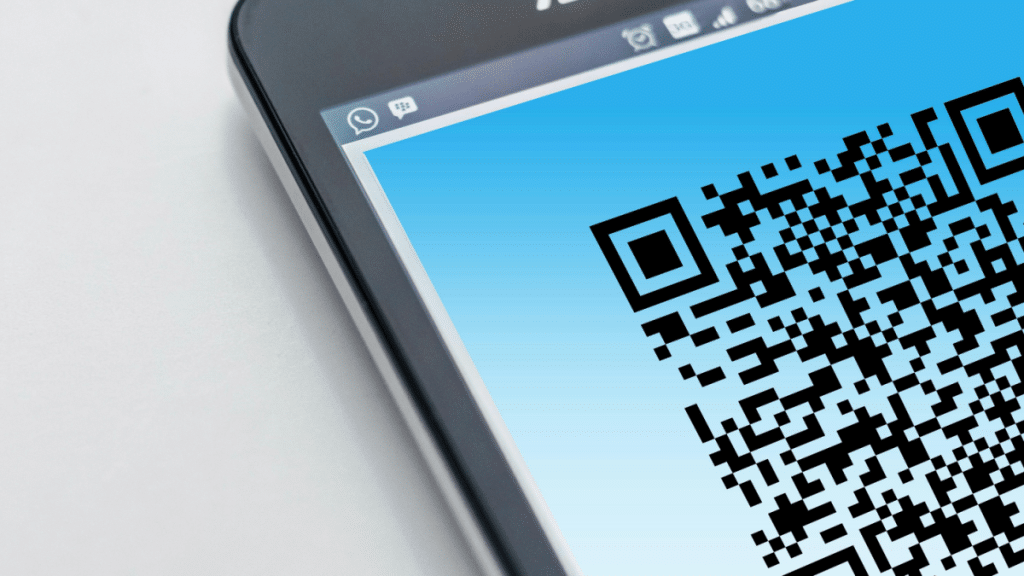
The use of QR codes has transformed the way in which we live when we are out and about. With just one quick scan using a smartphone, people around the world can use QR codes for a variety of purposes, from ordering food and drinks at restaurants, making shopping purchases as they walk around a store and locating sites linked to different activities.
This article will explore how QR codes work, how to create one for your own business or event using a dynamic QR code generator and how to ensure you are safe when utilizing this tool in day-to-day life.
What is a QR code?
QR stands for quick response and a quick response code is essentially a kind of barcode which stores information and can be scanned by a digital device. They are commonly used for various purposes, such as marketing, ticketing and contactless payments, featuring on menus, posters and notices.
Millions everyday now scan these QR codes to access information or be directed to a particular website and are commonplace around towns, cities and venues everywhere. Chances are, next time you are venturing out, you will see plenty of QR codes dotted around public transport, venues and establishments.
Tips on How to Create a QR Code
Creating a QR code is a simple process that involves using a QR code generator tool, where you input the desired information or link that you want the QR code to represent. It is a relatively simple process which will take seconds from inputting details to the finished product ready to be scanned. Once generated, the QR code can be printed or displayed digitally for users to scan using a smartphone or QR code reader.
What’s more, QR code tracking allows you to collect information about the status of your QR codes, all in real-time. So, for example, if you have shared your QR code on a poster at a gig venue, with tracking, you can access the total number of scans, scanning device information and even demographic data from users. These metrics and stats are particularly for marketeers who can then optimize the information in future campaigns or to target a specific audience.
Ensuring a QR Code is Safe to Use
When it comes to safety, it is imperative you take the time to ensure you are scanning the QR code from trusted sources and not those that stem from unknown sources, particularly if they are suspicious, as they can potentially lead to malicious websites or phishing scams. Some fake QR codes can download software onto your device while others can present false offers like discounts that don’t actually exist.
What can help in this situation, is checking to see whether your smartphone has in-built security features which can detect malicious codes as this will alert you to prevent any harmful scam.
If you regularly use QR codes to carry out transactions or make bookings, for instance, it’s a wise move to stay updated about the latest practices when it comes to cybersecurity. Informing family and friends of the need to be vigilant and verify the source of your QR code can also help spread the message and help society protect itself against potential scams.
Summing Up
Overall, QR codes are a convenient and versatile tool that can be used in a variety of ways, but it’s important to be mindful of potential security risks and take precautions to protect yourself when scanning them.
Using a QR code generator can assist you in creating QR codes for a variety of uses including eateries, real estate sales, large conferences and even remote working. This technology has revolutionized how businesses operate and reach consumers while also transforming how we socialize and attend events.