

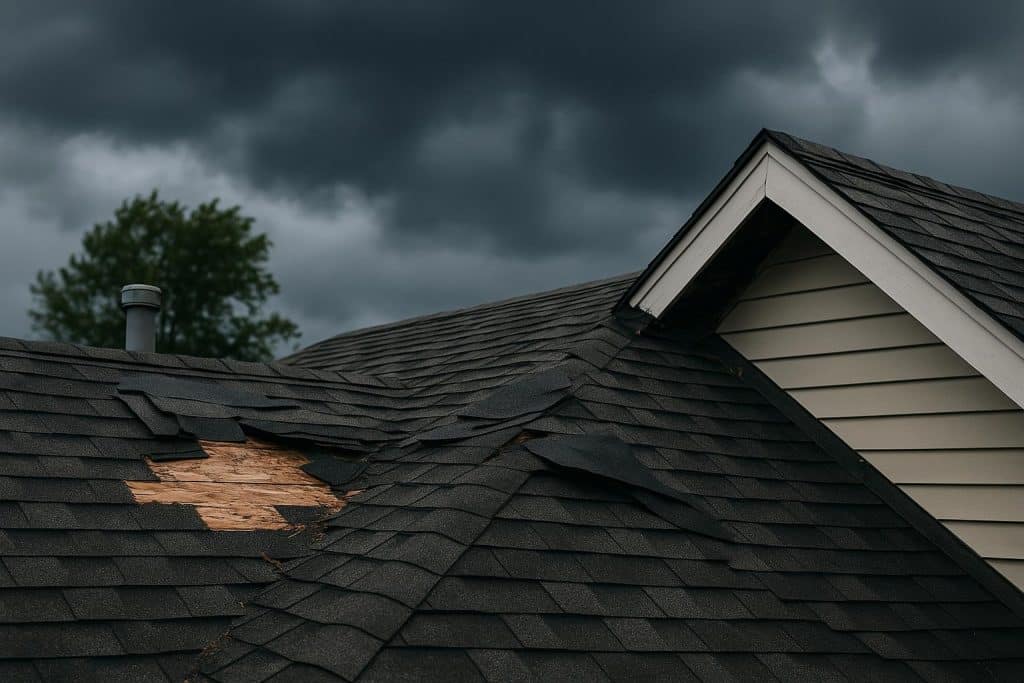
A roof is one of the most important components of any home. It provides protection against the elements, helps regulate indoor temperatures, and safeguards everything inside your property. However, even the strongest roofing systems can experience unexpected damage that requires immediate attention. In Kentucky, changing weather patterns, seasonal storms, and natural wear and tear often create situations where emergency roof repairs become necessary.
Understanding the most common causes of roofing emergencies can help homeowners take preventive measures and respond quickly when problems arise. Acting fast can reduce property damage, prevent costly repairs, and extend the life of your roof.
Severe Storm Damage
Kentucky is no stranger to severe weather. Thunderstorms, heavy rain, strong winds, and even tornadoes can cause significant roof damage in a matter of minutes.
High winds can lift shingles, tear off flashing, and expose the underlying roofing materials. Once the protective layers are compromised, water can easily enter the home and cause structural damage.
Storm damage often occurs suddenly and without warning, making it one of the leading reasons homeowners seek emergency roof repairs. After any major storm, it’s important to inspect your roof for missing shingles, fallen debris, or visible signs of damage.
Hail Damage
Hailstorms are another common cause of roofing emergencies throughout Kentucky. Even small hailstones can weaken roofing materials over time, while larger hail can crack shingles, dent metal roofing, and damage roof vents and flashing.
One challenge with hail damage is that it is not always immediately visible from the ground. Small cracks or bruises in shingles can eventually lead to leaks and moisture intrusion if left untreated.
Scheduling a professional inspection after a hailstorm can help identify hidden damage before it turns into a larger problem.
Roof Leaks
Roof leaks are among the most urgent roofing issues homeowners face. Water entering the home can quickly damage ceilings, walls, insulation, flooring, and personal belongings.
Leaks can result from several factors, including:
- Missing or damaged shingles
- Cracked flashing
- Storm damage
- Clogged gutters
- Aging roofing materials
Even a small leak should never be ignored. Water can travel through roofing structures and appear far from the actual source of the problem, making professional assessment crucial.
Falling Trees and Branches
Kentucky’s storms often bring strong winds that can cause tree limbs or entire trees to fall onto roofs. Impact damage from falling debris can create punctures, cracks, or structural damage that requires immediate repair.
Homes surrounded by mature trees face a higher risk of this type of emergency. Overhanging branches can also scrape against roofing materials during windy conditions, gradually wearing them down.
Regular tree trimming and maintenance can help reduce the likelihood of roof damage caused by falling limbs.
Ice and Winter Weather
Although Kentucky experiences milder winters than some northern states, freezing temperatures and winter storms can still create roofing problems.
Ice accumulation along roof edges may prevent melting snow from draining properly. This can allow water to back up beneath shingles and enter the home.
Freeze-thaw cycles are especially damaging because water expands when frozen. Small cracks in roofing materials can grow larger over time, eventually leading to leaks and structural concerns.
Homeowners should pay close attention to roof conditions during winter months and address any signs of ice-related damage promptly.
Aging Roofing Materials
Every roof has a limited lifespan. As roofing materials age, they become more vulnerable to damage from weather and environmental exposure.
Common signs of an aging roof include:
- Curling shingles
- Cracked shingles
- Granule loss
- Sagging areas
- Frequent leaks
Older roofs are more likely to experience sudden failures during storms or periods of heavy rain. Regular inspections can help identify age-related issues before they require emergency repairs.
Poor Installation Practices
Not all roofing systems are installed correctly. Improper installation can lead to numerous problems that may not become apparent until months or years later.
Common installation mistakes include:
- Incorrect shingle placement
- Improper flashing installation
- Inadequate ventilation
- Poor sealing techniques
These issues can allow moisture infiltration and increase the risk of roofing emergencies. Working with an experienced roofing company Kentucky homeowners trust can help ensure quality workmanship and long-term roof performance.
Damaged Flashing
Flashing plays a critical role in protecting vulnerable areas of the roof, including chimneys, vents, skylights, and roof valleys.
Over time, flashing can become damaged due to:
- Weather exposure
- Corrosion
- Improper installation
- Physical impact
When flashing fails, water can easily penetrate the roofing system and create leaks. Damaged flashing is one of the most common sources of emergency roof repair calls.
Routine inspections can help identify flashing issues before major water damage occurs.
Clogged Gutters and Drainage Problems
Many homeowners underestimate the importance of their gutter system. Gutters direct rainwater away from the roof and foundation, helping prevent moisture-related damage.
When gutters become clogged with leaves, twigs, and debris, water can back up onto the roof. This standing water increases the risk of leaks, wood rot, and structural deterioration.
Regular gutter cleaning is one of the simplest and most effective ways to protect your roof from emergency situations.
Animal and Pest Damage
Wildlife can also contribute to roofing emergencies. Birds, squirrels, raccoons, and other animals may damage roofing materials while attempting to gain access to attics or sheltered spaces.
Common signs of animal-related roof damage include:
- Torn shingles
- Damaged vents
- Holes in soffits
- Nesting materials near roof openings
Once animals create entry points, water intrusion often follows. Prompt repairs help prevent both structural damage and pest infestations.
Lack of Preventive Maintenance
One of the biggest contributors to emergency roof repairs is a lack of regular maintenance.
Small roofing issues often develop gradually and can remain unnoticed until they become major problems. Regular inspections allow homeowners to identify and address concerns before they escalate into emergencies.
Preventive maintenance may include:
- Roof inspections
- Gutter cleaning
- Flashing repairs
- Shingle replacement
- Debris removal
Investing in routine maintenance is typically far less expensive than dealing with emergency repairs and water damage restoration.
Conclusion
Emergency roof repairs can happen at any time, but understanding the most common causes helps homeowners stay prepared. Severe storms, hail, leaks, fallen trees, aging materials, damaged flashing, clogged gutters, and poor maintenance are among the leading reasons Kentucky homeowners face urgent roofing problems.
The best way to minimize roofing emergencies is through regular inspections, prompt repairs, and proactive maintenance. By addressing small issues early and monitoring your roof throughout the year, you can protect your home, avoid costly damage, and ensure your roofing system continues to perform reliably for years to come.