

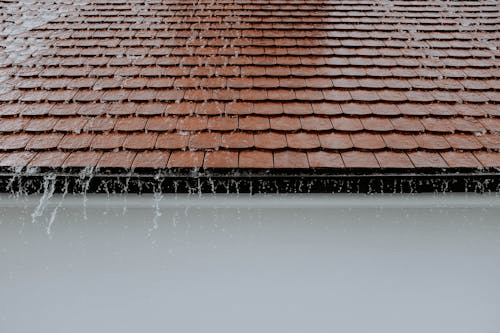
Have you ever stepped into your yard after a storm and wondered why it feels more like a swamp than a lawn? Drainage problems sneak up on homeowners, often quietly at first, then all at once. With heavier rainfall patterns becoming more common across the U.S., managing water around your home is no longer optional. A smart approach to drainage protects your foundation, your landscaping, and your sanity.
Understanding How Water Moves Around Your Home
Water does not just disappear after a storm; it follows gravity, soil composition, and the path of least resistance. Many homeowners assume their yard drains naturally, but subtle slopes or compacted soil can redirect water straight toward the house. This becomes especially problematic in regions seeing increased rainfall due to shifting climate patterns.
Understanding your property’s layout is the first step toward prevention. Walk your yard after a storm and notice where puddles form or where water flows. These observations reveal weak points in your drainage system and help you decide where intervention is necessary before small issues turn into structural damage.
Rethinking Downspouts and Underground Systems
Downspouts often get overlooked, yet they play a critical role in moving water away from your home. When they dump water too close to the foundation, problems build over time, especially during heavy seasonal rains that have become more frequent in recent years. Extending downspouts into underground drainage lines can make a noticeable difference.
Many homeowners now turn to efficient French drain services to manage excess water without altering the look of their yard. These systems guide water away through buried pipes and gravel channels, keeping the surface dry while protecting the structure below. It is a quiet upgrade that pays off during every storm.
Grading Your Yard the Right Way
Proper grading remains one of the most effective and overlooked solutions for drainage issues. If your yard slopes toward your house, water will naturally follow that path, no matter how advanced your drainage system may be. This is not just a cosmetic concern; it directly impacts your foundation’s longevity.
Adjusting the slope does not require a full landscape overhaul. Even minor regrading near the foundation can redirect water effectively. Aim for a gentle slope that moves water at least five to ten feet away from your home. It is a simple fix that can prevent expensive repairs later.
Choosing the Right Soil and Landscaping
Soil type plays a bigger role in drainage than most people realize. Clay-heavy soil holds water, while sandy soil allows it to pass through quickly. With many suburban developments using compacted fill soil, drainage problems are becoming more common, especially in newer neighborhoods.
Incorporating plants that absorb water, along with mulch and organic matter, can improve soil permeability. Strategic landscaping, such as rain gardens, not only manages runoff but also adds visual appeal. This approach aligns with a growing trend toward sustainable home design, where function and aesthetics work together.
Installing Catch Basins Where Needed
Catch basins act like collection points for excess water, preventing it from pooling in unwanted areas. They are especially useful in driveways, low spots, and near patios where water tends to accumulate. As urban areas expand and impermeable surfaces increase, these systems are becoming more relevant.
Installing a catch basin is not overly complex, but placement matters. It should sit at the lowest point where water naturally gathers. Connecting it to an underground drainage line ensures that collected water is safely redirected away from your home, reducing the risk of flooding and erosion.
Keeping Drainage Systems Clear and Functional
Even the best drainage system fails if it is not maintained. Leaves, dirt, and debris can clog pipes and basins, causing water to back up. This is particularly true during fall and early spring when organic material builds up quickly.
Regular inspections help catch blockages before they become serious. Flushing underground pipes and clearing visible debris keep everything running smoothly. Think of it as routine care, similar to servicing a car, where small efforts prevent larger problems down the road.
Spotting Early Warning Signs Before Damage Spreads
Most drainage problems do not start with dramatic flooding; they begin with small, easy-to-miss signals that many homeowners ignore. You might notice water lingering longer after rain, patches of grass turning yellow, or soil slowly washing away near your foundation. These subtle changes often point to bigger issues developing underground. Paying attention early allows you to act before repairs become costly and disruptive. In a time when extreme weather swings are becoming more common, catching these warning signs early is less about being cautious and more about being practical in protecting your home.
Addressing Hardscape Drainage Challenges
Patios, walkways, and driveways often disrupt natural water flow, creating new drainage challenges. As more homeowners invest in outdoor living spaces, managing water around these features has become increasingly important. Poor drainage can lead to cracks, shifting, and long-term damage.
Incorporating permeable materials or adding drainage channels along hard surfaces can help. These solutions allow water to pass through or be redirected efficiently, reducing pressure on surrounding areas. It is a practical way to balance design ambitions with functional needs.
Planning for Extreme Weather Trends
Recent years have shown a clear shift toward more intense and unpredictable storms across the United States. What used to be considered a once-in-a-decade rainfall event now happens far more often. This change makes proactive drainage planning essential rather than optional.
Preparing your home means thinking beyond current conditions and anticipating future extremes. Investing in reliable drainage solutions now can save high costs later. It also provides peace of mind, knowing your home is better equipped to handle whatever the weather decides to do next.
Water has a way of testing every weak point around a home, and ignoring drainage issues rarely ends well. By understanding how water behaves, making targeted improvements, and keeping systems well-maintained, homeowners can stay ahead of problems instead of reacting to them. In a time when weather patterns feel increasingly unpredictable, taking control of drainage is one of the smartest moves you can make.