

Introduction to the Vancouver Digital Ecosystem and Macroeconomic Realities
The digital commercial landscape of Vancouver, British Columbia, has evolved into a highly sophisticated, hyper-competitive ecosystem driven by unprecedented macroeconomic pressures, rapid demographic shifts, and transformative technological advancements. As the market progresses through 2026, corporate participants, digital marketing agencies, and local enterprises are navigating a complex matrix of changing consumer loyalties, stringent algorithmic search requirements, and deeply ingrained localized cultural nuances. The paradigm of digital visibility has fundamentally shifted away from isolated channel tactics toward an interconnected, holistic reality where digital strategy cannot be decoupled from broader economic and social phenomena. The Canadian digital marketing industry is experiencing robust and continuous expansion, currently valued at over $14 billion and projected to grow at a compound annual growth rate of 13.45% through 2034, ultimately targeting a valuation of $49.49 billion. Within this expansive national framework, the Vancouver market commands a disproportionate share of digital innovation, necessitating highly tailored, empirically backed structural frameworks for localized search dominance.
This research report provides an exhaustive, peer-level analysis of the demographic, behavioral, cultural, and industrial forces actively shaping the Vancouver market. By synthesizing disparate data streams regarding consumer behavior, geopolitical trade reactions, real estate economics, and the specific composition of the local technological talent pool, this document constructs a definitive intelligence baseline. Ultimately, this foundational intelligence culminates in a profound structural and content blueprint designed to secure algorithmic superiority, brand equity, and commercial conversion in this unique geographic sector.
Macro-Demographic Fundamentals and Population Dynamics
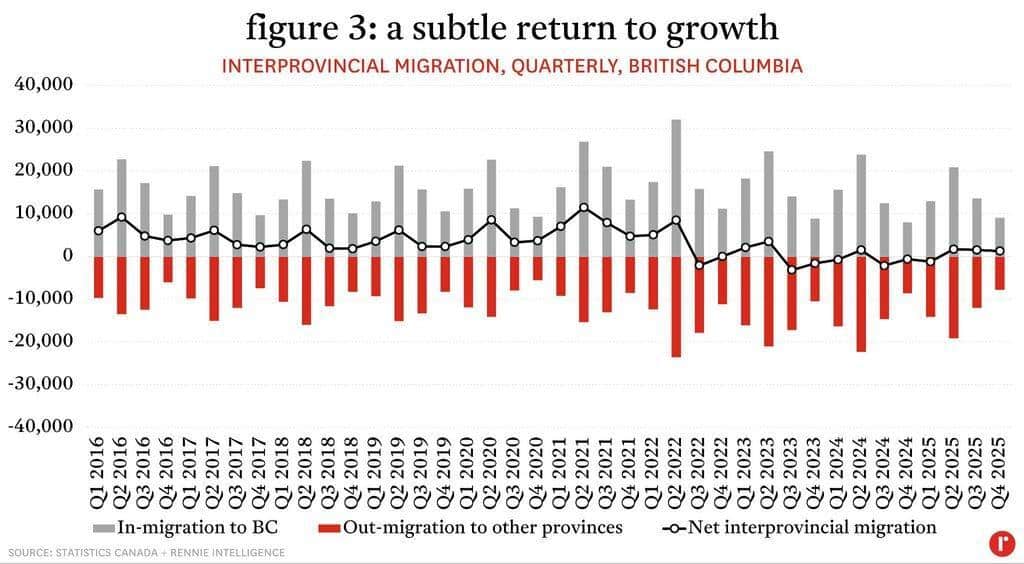
Any rigorous localized digital strategy must be unequivocally anchored in accurate, real-time demographic data. The population dynamics of British Columbia, and specifically the Metro Vancouver region, are currently undergoing a period of complex recalibration following years of record expansion. The strategic implications of these demographic shifts dictate the total addressable market size, the cost of digital customer acquisition, and the fundamental nature of the products and services that will resonate with the populace.
As of late 2025, the overarching population estimate for British Columbia stood at 5,683,201, which surprisingly represented a slight quarterly contraction of 0.3%. This stabilization and slight contraction follow years of aggressive demographic expansion and are primarily driven by shifting federal immigration policies designed to manage the influx of non-permanent residents. Notably, the volume of non-permanent residents within the province decreased by 5.2% on a quarterly basis, dropping to 478,121 individuals. Concurrently, the quarterly flow of newly arriving immigrants contracted sharply by 17.6% year-over-year to 13,025 in the third quarter of 2025. Despite these short-term macroeconomic adjustments, the long-term projections remain overwhelmingly robust and urban-centric. The population living strictly within a Census Metropolitan Area (CMA) in British Columbia is projected to reach 4,398,790 by mid-2025, constituting a massive 77.2% of the provincial populace. Metro Vancouver itself is projected to continue its expansion trajectory, climbing from a 2024 base of approximately 2.6 million toward a mid-century projection of nearly 3.5 million residents.
These demographic fluctuations generate vital second-order and third-order effects for digital market penetration strategies. As the influx of net-new, non-permanent residents slows, the readily available pool of new consumers requiring immediate establishment services-such as initial real estate leasing, telecommunications setup, and basic localized retail-will correspondingly constrict. Consequently, the cost of acquiring new customers through digital channels is mathematically likely to increase due to heightened competition over a stabilizing population base. Digital marketing frameworks must therefore pivot away from broad, awareness-based acquisition models that assume infinite demographic growth. Instead, digital architecture must heavily prioritize retention-focused strategies, loyalty loops, and high-value content designed to maximize the lifetime value of established residents.

Furthermore, analyzing the internal migration data reveals profound challenges. The Vancouver CMA recorded a net loss of 4,656 people in migratory exchanges with other Canadian provinces, marking the second consecutive year of such losses following a ten-year period of consistent gains. Even more strikingly, the area experienced a net loss of 16,166 people from migratory exchanges with the rest of British Columbia, indicating a significant intraprovincial exodus, likely driven by the extreme local cost of living and real estate pricing. The median household income within Vancouver proper is concentrated between $82,000 and $90,000. Given the severe housing affordability constraints in the region, this median income does not translate to high disposable income. Therefore, consumers in this demographic require service providers and retailers to explicitly and consistently demonstrate premium value propositions.A substantial portion of the region’s localized buying power is concentrated strictly within the 25 to 44 age demographic, primarily composed of professionals embedded within the technology, creative, and burgeoning service sectors. This younger professional base possesses high digital literacy and exhibits an exceedingly low tolerance for poor user experiences, slow website load times, or generic, uninformative content.
Table: British Columbia and Vancouver Demographic Trajectories
| Demographic Indicator | Recorded Data / Projection | Temporal Context | Strategic Implication for Digital Markets |
|---|---|---|---|
| BC Total Population | 5,683,201 | Q4 2025 | Large absolute addressable market requiring highly segmented digital targeting. |
| CMA Population Proportion | 77.2% | Mid-2025 | Extreme urban concentration necessitates hyper-local geospatial targeting and localized schema markup. |
| Non-Permanent Residents | 478,121 (-5.2% quarterly) | Q4 2025 | Slowing transient influx dictates a pivot from pure acquisition to localized brand loyalty and retention. |
| Median Household Income | ~$86,000 | 2024-2025 | High cost of living severely limits disposable capital; messaging must mathematically prove ROI to the consumer. |
| Core Purchasing Demographic | Ages 25–44 | Current | Audience demands high digital sophistication; necessitates seamless mobile application integration and rapid page speeds. |
| Inter/Intra-provincial Migration | Net losses to other provinces and BC regions | 2024-2025 | Capital flight to suburbs requires geo-targeting to expand beyond Vancouver proper into the broader Lower Mainland. |
Consumer Behavioral Shifts and Macroeconomic Anxieties
The psychological and behavioral disposition of the Vancouver consumer in 2026 is fundamentally dominated by lingering economic anxiety, evolving post-pandemic shopping preferences, and a sudden, fierce resurgence of economic nationalism driven by international trade policies. Digital structural architecture and brand messaging must meticulously align with these shifting psychological priorities to establish relevance, maintain consumer trust, and drive commercial conversion.
The Amplification of Price Sensitivity and Supply Chain Anxieties

Unlike consumers in comparable global markets across the developed world, Canadian shoppers are exhibiting an overwhelming, almost singular prioritization of price over all other variables in the retail and food sectors. Comprehensive consumer voice surveys reveal that concerns regarding the baseline cost of food entirely overshadow secondary consumer anxieties. While global consumers frequently index high concerns regarding the health risks of ultra-processed foods, nutritional value parity, safety standards, and pesticide usage, the Canadian consumer is hyper-fixated on the checkout total.
This acute price sensitivity compels localized search strategies to heavily index content related to affordability, long-term value preservation, and supply chain efficiency. Consumers are actively utilizing search engines to research how local companies source their materials, seeking digital assurances that operational waste and extraneous logistical costs have been eliminated from the ecosystem. Digital visibility strategies that transparently highlight these operational efficiencies-such as local farm-to-table logistics, reduced transportation overhead, and direct-to-consumer pricing models-will capture the highest intent traffic. Retailers and consumer packaged goods entities are implicitly tasked with redesigning how they process, transport, and sell goods, and their digital presence must serve as the communicative vehicle for these systemic improvements.
The Geopolitical Trade Response and the “Buy Canadian” Phenomenon

Perhaps the most dramatic behavioral shift observed in late 2025 and early 2026 is the rapid, retaliatory alteration in purchasing habits triggered directly by geopolitical trade tensions and recent United States tariff impositions. The digital ecosystem has become the primary battleground for this new wave of consumer patriotism. Empirical research confirms that 98% of Canadian consumers are acutely aware of bilateral trade restrictions between Canada and the United States, and 85% express deep concern regarding the economic fallout. This concern has not remained passive; it has catalyzed a drastic and immediate behavioral shift, with 43% of consumers making significant changes to their core grocery and retail shopping habits within a mere two-month window.

Astonishingly, 91% of Canadians are now deliberately prioritizing Canadian-made products or planning to do so immediately, with 76% actively attempting to avoid goods manufactured or sourced from the United States. This phenomenon transcends the standard, localized patronage typically observed during the COVID-19 pandemic; it has mutated into a profound form of economic nationalism where citizen identity and shopper behavior are inextricably linked. When surveyed regarding their motivations, 86% cite the belief that buying local is essential for the domestic economy, 75% cite direct political frustration and anger with U.S. policies, and 71% point to national pride.

For digital marketers and search engine optimization practitioners in Vancouver, this presents a monumental strategic mandate. Website architectures, product descriptions, and metadata must be aggressively optimized for semantic variations of “locally sourced,” “Canadian-made,” “Vancouver local business,” and “domestic supply chain.” Entities that fail to clearly and prominently articulate their Canadian operational presence within their digital footprints will experience severe click-through rate degradation and catastrophic cart abandonment. The data shows that 67% of consumers report buying more Canadian products recently, prioritizing produce, bakery items, meat, and dairy. However, demographic nuances exist; while senior citizens heavily prioritize buying Canadian, immigrant populations and those under the age of 35 place slightly less emphasis on domestic origin, indicating that digital segmentation strategies must vary messaging based on the target demographic’s age and origin.
The Stabilization of the Omnichannel Experience

While the pandemic forced an artificial, hyper-accelerated surge in digital commerce-where Canadian retail e-commerce sales temporarily spiked by a staggering 67.9% between early 2020 and mid-2022-longitudinal data indicates a nuanced stabilization and a return to physical preferences. Canadian consumers aged 12 and older still maintain a macro-preference for the tactile, in-store shopping experience. Even among the highly digitized 18 to 34 demographic, the aggressive preference for online-only transactions has plateaued, and the inclination toward physical in-store visits has rebounded to historical, pre-pandemic norms.
Consequently, the widely discussed “Search Everywhere” thesis is empirically validated; digital discovery is merely the informational precursor to localized, physical interaction. Consumers are utilizing complex networks of digital touchpoints-scrolling through local brand reels on Instagram, verifying business operating hours via Google Business Profiles, and crowdsourcing trust through TikTok reviews-before ever stepping foot in a brick-and-mortar location. Search architectures must seamlessly integrate real-time inventory visibility, localized schema markup, and immediate offline transitional pathways to capture this sophisticated hybrid consumer base.
Table: Canadian Consumer Sentiment and Behavioral Shifts
| Behavioral Metric | Statistical Observation | Driving Mechanism / Catalyst | Strategic Marketing Application |
|---|---|---|---|
| Price Sensitivity | Outweighs all health/environmental concerns | Extreme local housing costs and broad inflation. | Digital content must lead with transparent pricing and long-term value propositions. |
| Awareness of Tariffs | 98% of consumers aware | Geopolitical tension and media saturation. | Leverage high awareness to aggressively promote localized supply chains. |
| Avoidance of U.S. Goods | 76% actively avoiding | Frustration with bilateral trade policies. | Audit product catalogs to highlight non-U.S. origins prominently in SEO meta descriptions. |
| Omnichannel Preference | Rebound in physical store preference among 18-34 | Post-pandemic stabilization and desire for tactile retail. | Bridge the digital-to-physical gap using accurate Google Business Profiles and localized inventory APIs. |
Regional Psychographics and the Cascadia Phenomenon
A pervasive and devastating strategic error committed by national and international conglomerates is treating Canada as a homogenous, unified digital market. National campaigns developed in boardrooms in Toronto or New York cannot be blindly deployed in British Columbia with the expectation of uniform conversion rates. The Vancouver market is culturally layered, intensely particular, and requires regional nuance to achieve digital resonance.
Recent psychographic surveys indicate a severe cultural schism between Canada’s west coast and its eastern economic centers. Astonishingly, 57% of British Columbians believe their core values and worldviews fundamentally differ from those in other Canadian provinces. Furthermore, a dominant 58% explicitly state they share more cultural, ideological, and commercial commonalities with residents of the American Pacific Northwest-specifically Seattle, Washington, and Portland, Oregon-than with citizens of Toronto or Montreal. This profound regional alignment, often referred to as the “Cascadia” phenomenon, transcends generational divides. Polling data confirms that majorities across all age brackets (57% of 18-34 year-olds, 58% of 35-54 year-olds, and 59% of those aged 55 and older) feel a stronger affinity toward Washington State and Oregon than toward Eastern Canada.
From a structural digital marketing perspective, this dictates that visual creative, brand voice, and digital storytelling deployed in Vancouver must resonate with Pacific Northwest psychographics. Messaging should index heavily on environmental sustainability, outdoor lifestyle integration, technological progression, and work-life balance, rather than the corporate traditionalism or aggressive hustle-culture narratives often effective in eastern financial hubs. Furthermore, while Canadian millennials generally feel less understood by marketers than their American counterparts, they also define “responsibility” through highly localized lenses. For a Vancouver millennial, responsibility often equates to achieving independent financial resilience within a cripplingly high-cost housing market, or prioritizing sustainable local purchasing. Marketing narratives must seamlessly weave these localized realities into their core value propositions.
Lessons from Digital Brand Wins and Flops

The critical nature of aligning with local psychographics is perfectly illustrated by an analysis of brand performances over the past year. Brands that succeed in the Canadian digital space leverage data-driven insights and aligned agency partners to execute highly specific campaigns, while those that fail often misread their core audience.
Tim Hortons achieved massive digital engagement by shifting its focus toward Gen Z through a mobile-first, omnichannel “Sip, Snap and Share” campaign, leveraging Instagram-ready aesthetics and localized influencer partnerships to drive verifiable social buzz. Similarly, the apparel brand Roots successfully executed a buy-back program that turned old apparel into new pieces. This strategy perfectly aligned with the sustainability and environmental integration values highly prized in the Vancouver market, building deep emotional loyalty without triggering accusations of corporate greenwashing.

Conversely, brands that misread the digital room suffer immediate reputational damage. Hudson’s Bay deployed a “Luxury Canadian Winter” campaign that completely alienated its core middle-class audience, an error compounded by a slow digital crisis response. Even Lululemon, a brand intimately familiar with the Vancouver ethos, experienced a campaign failure with their “Manifest Your Goals” initiative. The campaign was heavily criticized for oversimplified messaging and a lack of inclusive imagery, demonstrating that even established local giants cannot rely on generic, non-inclusive messaging in a highly progressive, digitally vocal market. The takeaway for digital strategists is clear: campaigns must be tested with diverse local focus groups, and agility is paramount to pivot away from negative sentiment before it calcifies into brand degradation.
The Multilingual and Multicultural Digital Mandate

Vancouver is fundamentally defined by its immense ethnic, cultural, and linguistic diversity, a characteristic that actively shapes its core commercial mechanics. Over 50% of residents within the City of Vancouver itself speak a language other than English in their homes. Implementing a monolithic, English-only digital strategy mathematically abandons more than half of the addressable market, rendering such a strategy fundamentally flawed from its inception.
Beyond Translation: The Necessity of Deep Cultural Localization

Recent qualitative studies highlight a severe, systemic disconnect between diverse communities and corporate digital marketing efforts. Only a staggering 25% of individuals identifying as visible minorities feel that domestic brands speak directly to their cultural backgrounds in advertising and digital content. The highest-growth immigrant demographics in Canada currently originate from India, China, and the Philippines. Crucially, these specific cohorts frequently demonstrate higher household incomes and advanced educational attainment compared to the broader population baseline, thereby driving significant localized commercial demand for high-value services such as real estate, wealth management, and premium retail.
Effective multilingual digital visibility extends far beyond the deployment of literal translation services or automated plugins. It requires deep, structural cultural localization. For example, consumer purchasing behavior is heavily influenced by specific cultural customs and temporal events. Distinct cultural cohorts celebrate festivals such as Diwali, Eid, and the Lunar New Year, all of which are associated with intense periods of localized gift-giving, retail spending, and hospitality consumption. Retailers and service providers that intelligently cater to these communities through highly specific, localized digital campaigns observe massive, verifiable increases in digital conversions during these periods. Furthermore, linguistic variables heavily dictate purchasing trust. A consumer whose primary household language is Mandarin is statistically far more likely to finalize a high-ticket transaction on a domain natively optimized for Mandarin search intent, utilizing culturally appropriate idioms and design aesthetics, rather than a poorly translated English domain.
The Rejection of Reductive Linguistic Labels

Furthermore, semantic accuracy in cultural targeting is rapidly becoming a matter of public accountability and brand safety. Community advocates in Vancouver are increasingly rejecting broad, colonial linguistic constructs utilized by marketers and government agencies alike. A prominent, highly visible example is the intense local pushback against the bureaucratic use of the term “South Asian.” Community leaders and organizations, such as Wanjara Nomad Collections, argue passionately that this term is an archaic, reductive, and repressive label that flattens distinct, vibrant identities from India, Pakistan, Nepal, Sri Lanka, and Bangladesh into a homogenized mass.
These advocates point out that using such terminology forces diverse cultural backgrounds into a linguistic cage, stripping them of their unique histories, languages, and cultural nuances. The local Chinese-Canadian community has successfully navigated precision in institutional recognition-evidenced by the establishment of the Chinese Canadian Museum and specific historical apologies-and other diverse cohorts are rightfully demanding equal semantic specificity. Search entities and digital marketing agencies must meticulously audit their keyword research and content strategies to avoid generic geographic or ethnic keywords. Instead, they must target precise, culturally accurate terminology when building localized content clusters to build genuine trust and avoid public backlash. Specialized agencies focusing on Vancouver’s diverse market segments must offer dedicated optimization for English, Chinese, and Punjabi search intents, recognizing the unique algorithmic behaviors of users within these distinct demographics.
Table: Multilingual Search Optimization Variables in Vancouver
| Cultural/Linguistic Variable | Market Characteristic | Search Engine Optimization Imperative |
|---|---|---|
| Non-English Primary Language | >50% of Vancouver city population. | Architecture must support robust hreflang tags and distinct URL structures for localized languages. |
| High-Income Immigration | Top origins: India, China, Philippines. | High-value product clusters (real estate, finance) must be culturally adapted, not just machine-translated. |
| Cultural Event Purchasing | Diwali, Eid, Lunar New Year generate massive retail spikes. | Temporal search spikes require predictive content generation and technical indexing 60-90 days prior to events. |
| Identity Precision | Severe backlash against the reductive term “South Asian”. | Keyword research must index precise regional, ethnic, and linguistic identifiers to build trust and avoid alienation. |
Industrial Pillars and Business-to-Business (B2B) Digital Frameworks
To structure a profound market penetration strategy, one must deeply understand the macroeconomic pillars that sustain Vancouver’s gross domestic product. The region’s commercial engine is not a monolith; it is heavily concentrated in a few hyper-competitive, globally recognized sectors that demand specialized digital infrastructure.
The Digital Media, Film, and Immersive Technology Hub

Metro Vancouver currently stands uncontested as North America’s fastest-growing hub for Digital Media and Entertainment. It ranks as the third-largest film and television production center on the continent, supported by a massive ecosystem of over 1,000 businesses and a deeply skilled labor pool exceeding 40,000 workers. The commercial viability of this ecosystem is anchored by highly competitive provincial and federal tax incentives, including the 36% Production Services Tax Credit and additional lucrative incentives for visual effects, sound design, and interactive digital media.
This immense concentration of visual effects (VFX) studios, animation houses (including outposts for Walt Disney Animation and Sony Pictures Imageworks), and over 140 video game developers creates a massive, self-sustaining Business-to-Business (B2B) sub-economy. Local digital agencies must recognize that the search intent generated by these entities is highly technical.
Moreover, this digital media sector is actively merging with the local tourism and hospitality industries. In early 2026, the British Columbia film and tourism industries launched the “Cineventure” platform, a groundbreaking initiative that physically maps iconic filming locations-from global phenomenons like Virgin River and Shogun to cult classics like Riverdale and Twilight-into augmented reality, multi-day tourism itineraries across Metro Vancouver. Entities operating in the hospitality, restaurant, and transport sectors must dynamically optimize their local search presence to capture the tangential foot traffic generated by these immersive film-tourism routes. A cafe located in Fort Langley or Bowen Island must utilize local SEO to ensure they appear for users actively following the Virgin River digital itinerary.
Real Estate, Technology, and the AI Talent Concentration

Beyond the entertainment sector, Vancouver’s real estate and construction sectors remain dominant economic forces. The towering edifices and sprawling infrastructure of the city bear testament to an industry that perpetually drives high-value search queries relating to property development, commercial leasing, and architectural services.
Concurrently, the broader technology sector is experiencing unprecedented talent concentration. According to the latest comprehensive Scoring Tech Talent report by CBRE, Vancouver holds the 12th largest tech talent pool in North America, boasting 125,100 highly skilled workers, representing a 5.2% increase from 2021 to 2024. The city punches significantly above its weight; Vancouver has the third-highest “tech talent concentration” on the continent, trailing only the massive hubs of the San Francisco Bay Area and Seattle. Strikingly, 52.4% of the city’s tech workers are employed directly within the tech industry itself, rather than serving as IT support in non-tech industries, fostering immense local innovation and product development. These workers are highly compensated, earning an average annual wage of $80,339 USD in 2023, leading all other Canadian markets and driving significant local purchasing power.
Crucially for future algorithmic developments, Vancouver leads the nation in its concentration of specialized artificial intelligence (AI) talent. As of mid-2025, the city boasts an estimated 8,300 AI-focused tech professionals, identified through self-reported occupational data encompassing machine learning and AI skills. This extraordinary density of technical expertise creates an environment where businesses demand highly sophisticated, technologically advanced digital marketing solutions. Rudimentary digital strategies are completely obsolete in a market populated by the engineers who build the very algorithms marketers attempt to optimize for.
The Divergence of B2B and B2C Digital Architecture

Given this density of tech, film, and real estate enterprises, a substantial portion of the Vancouver digital economy operates strictly on a Business-to-Business (B2B) model. The architectural requirements for B2B digital visibility differ violently from Business-to-Consumer (B2C) frameworks.
The sheer volume of transactions and the complexity of supply chains in B2B markets dwarf those in the consumer sector. A single corporate acquisition of specialized visual effects rendering software or a commercial real estate lease requires input from a vast Decision-Making Unit (DMU) over a procurement cycle that can last several fiscal quarters. Consequently, B2B buyers in Vancouver are highly immune to emotional, consumer-grade advertising. They require high-density, data-driven documentation that mathematically mitigates risk, proves measurable return on investment (ROI), and addresses specific firmographic pain points-such as industry scale, local regulatory compliance, and systems integration.
Digital properties catering to Vancouver’s B2B sector must structure their sites to serve the entirety of this convoluted funnel. This involves housing top-of-funnel educational whitepapers for initial stakeholder research, middle-of-funnel comparative technical matrices for evaluation, and bottom-of-funnel interactive ROI calculators to assist the DMU in financial justification. Companies utilizing sophisticated inbound methodologies tailored to these complex buyer journeys have reported average ROI metrics exceeding 275%.
Table: B2B vs B2C Structural Search Optimization Realities

| Optimization Vector | B2C Market Application (e.g., Retail, Hospitality) | B2B Market Application (e.g., Tech, VFX, Commercial Real Estate) |
|---|---|---|
| Market Segmentation | Demographics (age, gender), psychographics, geospatial proximity. | Firmographics (industry size, revenue scale), DMU mapping, regulatory environment. |
| Content Strategy | Emotional resonance, influencer integration, rapid immediate conversion logic. | Data-dense whitepapers, API documentation, longitudinal case studies proving ROI. |
| Target Search Intent | Transactional & Navigational (e.g., “buy local organic coffee Vancouver near me”). | Informational & Evaluative (e.g., “enterprise cloud migration cost analysis BC tech sector”). |
| User Experience Flow | Frictionless, minimal clicks to checkout, visually dominant, mobile-first priority. | Logic-driven, deep-linking to technical specifications, lead-nurturing gates requiring institutional data. |
The Evolution of Algorithmic Visibility: Strategic Imperatives in 2026

The fundamental mechanics of digital discovery have been irrevocably altered. Through 2025 and into 2026, algorithmic systems deployed by major search engines have aggressively pivoted away from rudimentary keyword-density evaluation and backlink volume metrics toward advanced semantic comprehension, entity recognition, and artificial intelligence integration. This algorithmic shift mandates a complete structural overhaul of traditional web properties for any business operating in Vancouver.
The Ascendancy of Generative Engine Optimization (GEO)

Search engines are aggressively integrating generative artificial intelligence to provide direct, synthesized answers to user queries directly on the search engine results page (SERP), effectively bypassing traditional organic link clicks for informational queries. This Search Generative Experience (SGE) dictates that website content must not merely contain exact-match keywords; it must definitively answer complex user questions, demonstrate nuanced expertise, and be structured with advanced schema markup to be easily digested by AI models. The historical reliance on exact-match keywords has degraded significantly; semantic search now prioritizes user intent, contextual relevance, and related phraseology to rank documents. To achieve visibility in this environment, a comprehensive, multifaceted approach is required. For businesses seeking true digital authority, securing elite involves partnering with agencies that understand how to build entity-based content networks rather than isolated keyword pages.
The Critical Role of E-E-A-T in a Saturated Content Market

As generative AI drastically lowers the baseline barrier to entry for content creation, the internet is rapidly flooding with commoditized, synthesized text that lacks unique insight. To combat this flood of low-quality information, search algorithms have drastically heightened their reliance on E-E-A-T criteria: Experience, Expertise, Authoritativeness, and Trustworthiness. Superficial articles and generalized advice no longer achieve ranking visibility.
To break through the algorithmic noise, Vancouver brands must publish data-backed insights, granular localized case studies, and demonstrable proof of real-world operational execution. A local marketing agency, for example, cannot simply state they understand the market; they must publish proprietary data regarding local conversion rates or specific geospatial performance metrics to prove lived experience. Agencies and brands must pivot away from automated content farms toward journalism-grade, expert-authored material that definitively proves empirical knowledge of the local commercial landscape.
Traffic Volatility and the Digital Goliath Paradigm

The absolute necessity of a rigorous, technically sound digital foundation is highlighted by the devastating impact of recent broad core algorithmic updates on established websites. Recent structural analyses tracking the performance of 490 massive “Digital Goliath” websites-including legacy properties owned by conglomerates such as Condé Nast, Vox Media, Hearst, and Ziff Davis-revealed catastrophic visibility degradation. Across these 490 massive sites, a mere 18% experienced year-over-year search traffic increases, while the vast majority suffered severe losses.
Specifically, informational sites susceptible to AI summarization, such as WebMD and Avvo.com, saw massive decreases, while highly specific, utility-driven sites like Simply Recipes and SeriousEats managed to maintain or grow their traffic profiles. The implication for the Vancouver market is stark: if multi-billion-dollar publishing conglomerates are highly susceptible to catastrophic traffic loss due to shifting algorithms, local enterprises face existential threats if their technical infrastructure, Generative Engine Optimization, and mobile application marketing are not flawlessly integrated and relentlessly updated.
The stakes are incredibly high. Research indicates a strong correlation between digital marketing adoption and small business success in Canada. While 94% of small businesses engage in some form of monthly social media posting, and 89% possess a rudimentary web presence, only 19% engage in advanced retention strategies like email marketing, and a mere 20% possess what is classified as an “advanced digital profile”. This gap in digital maturity contributes significantly to the alarming reality that 21.5% of Canadian small businesses fail in their first year. Survival is predicated on advanced digital execution.
Strategic Blueprint: Profound Content and Structural Frameworks

To satisfy the operational requirements of penetrating the complex Vancouver market in 2026, a digital entity must construct a profound, hierarchical website architecture. The traditional flat website structure is incapable of establishing the topical authority required by modern algorithms. What follows is a comprehensive blueprint dictating the optimal structure and specific article ideation necessary to achieve algorithmic dominance in this geolocation.
Phase 1: Foundational Site Architecture (The Hub-and-Spoke Model)

A modern digital presence must be logically siloed into a Hub-and-Spoke architecture. This ensures topical authority is highly concentrated, internal link equity flows efficiently, and the relational hierarchy of topics is easily parsed by generative AI crawlers.
Proposed Structural Directory Hierarchy:
- /vancouver-industry-expertise/ (The Primary B2B Hub)
- /vancouver-industry-expertise/digital-media-vfx/ (Spoke)
- /vancouver-industry-expertise/commercial-real-estate/ (Spoke)
- /vancouver-industry-expertise/cleantech-energy/ (Spoke)
- /local-market-intelligence/ (The Hub for Establishing E-E-A-T)
- /local-market-intelligence/consumer-price-index-trends/ (Spoke)
- /local-market-intelligence/cascadia-corridor-trade/ (Spoke)
- /local-market-intelligence/supply-chain-tariffs/ (Spoke)
- /multilingual-digital-services/ (The Hub for Cultural Penetration)
- /multilingual-digital-services/mandarin-market-entry/ (Spoke)
- /multilingual-digital-services/punjabi-demographic-reach/ (Spoke)
Phase 2: Targeted Article Ideation and Content Clusters

The generation of content within this architecture must explicitly target the geopolitical, cultural, and economic realities previously outlined. The following article ideas are meticulously engineered to capture high-intent, long-tail search traffic specific to the Vancouver ecosystem.
Table: Exhaustive Content Cluster Ideation for the Vancouver Market
| Proposed Article Title / Topic | Target Search Intent & Audience Segment | Supporting Data Rationale & Strategic Implication |
|---|---|---|
| “Supply Chain Resilience: How Vancouver Retailers are Pivoting to Domestic Sourcing Amidst Tariffs” | B2B Procurement, Local Consumers seeking domestic products. Informational intent. | Capitalizes on the 91% of consumers prioritizing Canadian goods due to tariff anxieties and political frustration. Establishes the brand as an economic patriot. |
| “Scaling VFX Infrastructure: Cloud Computing Requirements for Metro Vancouver’s Animation Sector” | B2B IT Directors, Animation Studio Executives. Evaluative intent. | Serves the 150+ visual effects and animation businesses in the region. Builds profound E-E-A-T by proving intimate knowledge of the local industrial economic engine and its technical needs. |
| “The Cascadia Psychographic: Why Digital Storytelling in BC Fails When It Mimics Toronto” | Marketing Directors, Brand Managers, CMOs. Informational intent. | Leverages empirical polling data showing 58% of British Columbians relate more to Seattle than Eastern Canada. Offers a controversial, highly shareable thesis that attracts B2B backlinks. |
| “Beyond Translation: Structuring Real Estate Digital Experiences for Vancouver’s Mandarin Speakers” | Real Estate Developers, B2B Marketers. Commercial intent. | Addresses the intersection of high-income immigration (from China/India) and the dominant real estate sector. Demonstrates expertise in deep cultural localization versus superficial translation. |
| “Navigating BC’s Interactive Digital Media Tax Credit (IDMTC) in 2026: A Guide for Studios” | Tech Startups, Video Game Developers, CFOs. Navigational/Informational intent. | Tax incentives drive the local tech economy. Creating authoritative guides on claiming the 25% refundable tax credit establishes the domain as a crucial financial and business resource. |
| “Capturing the ‘Cineventure’ Tourist: Local SEO Strategies for Fort Langley and Bowen Island Cafes” | Local Retailers, Hospitality Owners, SME B2B. Transactional intent. | Directly targets the physical foot traffic generated by the new AR film-tourism platform highlighting Virgin River and Shogun locations. Merges digital marketing with physical economic events. |
| “The Economic Mechanics of Lunar New Year in Metro Vancouver: Predictive Inventory Models” | Retail Logisticians, E-commerce Managers. Informational intent. | Provides actionable, data-driven B2B advice on capitalizing on distinct cultural purchasing events, aligning with the necessity of respecting the region’s diverse ethnic heritage. |
Phase 3: Technical Implementation for Local Dominance

The conceptual content framework must be underpinned by flawless technical execution to ensure survivability in the modern algorithmic environment.
- Schema Markup Specialization: Standard HTML is insufficient. Sites must implement highly localized schema markup (e.g., LocalBusiness, Organization) intertwined with granular geographic coordinates. B2B sites must deploy advanced B2BBusiness and Product schema detailing compliance certifications and enterprise-tier service capacities to feed directly into AI generative answers.
- Generative Engine Optimization (GEO) Formatting: Content must be formatted to serve AI models. This requires a direct “Question-Answer-Elaboration” format. AI models prioritize document structures that succinctly state a verifiable fact in a short paragraph before expanding into nuanced, qualitative analysis.
- Site Speed and Mobile Primacy: With the core purchasing demographic (ages 25-44) executing the “messy mix” of brand discovery via mobile platforms (Instagram reels, TikTok reviews, mobile search) 5, mobile optimization is non-negotiable. Core web vitals must render entirely within incredibly tight latency thresholds to prevent mobile bounce rates.
- Strict Hreflang Ecosystems: For the mandatory multilingual clusters, a strict hreflang technical architecture must be deployed. This prevents canonicalization errors between English, Traditional Chinese, and Punjabi site variants, ensuring that search engines serve the absolute correct linguistic payload based on the user’s specific browser preferences and geospatial IP address.
Strategic Conclusions
The digital ecosystem of SEO in Vancouver, British Columbia, operates as a complex, hyper-localized matrix that ruthlessly penalizes generic, mass-market digital strategies. The exhaustive data synthesized within this report unequivocally demonstrates that commercial success in this jurisdiction requires an intricate, deliberate synthesis of macroeconomic awareness, deep cultural empathy, and cutting-edge technical execution.
The stabilization of overall population growth, coupled with a measurable contraction in non-permanent residents, dictates a paradigm shift; businesses can no longer rely on a perpetually expanding base of default consumers to mask inefficiencies. Market share must be actively captured from competitors through superior digital experiences, demonstrable ROI, and verifiable E-E-A-T. Furthermore, the immense psychological shifts within the consumer base-chiefly the acute anxiety over affordability and the aggressive, politically charged pivot toward Canadian economic patriotism-provide a fleeting but incredibly lucrative window for local enterprises to seize market share from international conglomerates.
In parallel, the industrial pillars of the region-ranging from a world-class digital media and VFX cluster driven by generous tax incentives, to a dense concentration of highly compensated AI engineering talent-demand B2B digital architectures that prioritize extreme data density, logical procurement pathways, and regulatory compliance over superficial consumer advertising tactics. Finally, the realization that Vancouver aligns far closer culturally and psychographically with the Cascadia corridor than with the rest of Canada provides a definitive, unalterable compass for brand voice and visual storytelling.
Ultimately, market participants who intelligently integrate these demographic realities, profound cultural nuances, and strict generative algorithmic requirements into a cohesive, structurally sound digital architecture will not merely survive the current period of economic volatility. They will establish an impenetrable defensive digital moat, securing long-term algorithmic dominance, unbreakable brand equity, and sustained commercial prosperity in the Vancouver market.