

Key Highlights
- Integrating high-volume hiring software with your ATS streamlines the recruitment process by automating candidate screening and data management.
- This integration enhances the candidate experience by providing faster, more consistent communication and a smoother application process.
- A unified system eliminates manual data entry, reducing errors and freeing up HR teams to focus on strategic initiatives.
- Key benefits include faster hiring times, reduced turnover, and the ability to identify top performers more accurately through skills-based assessments.
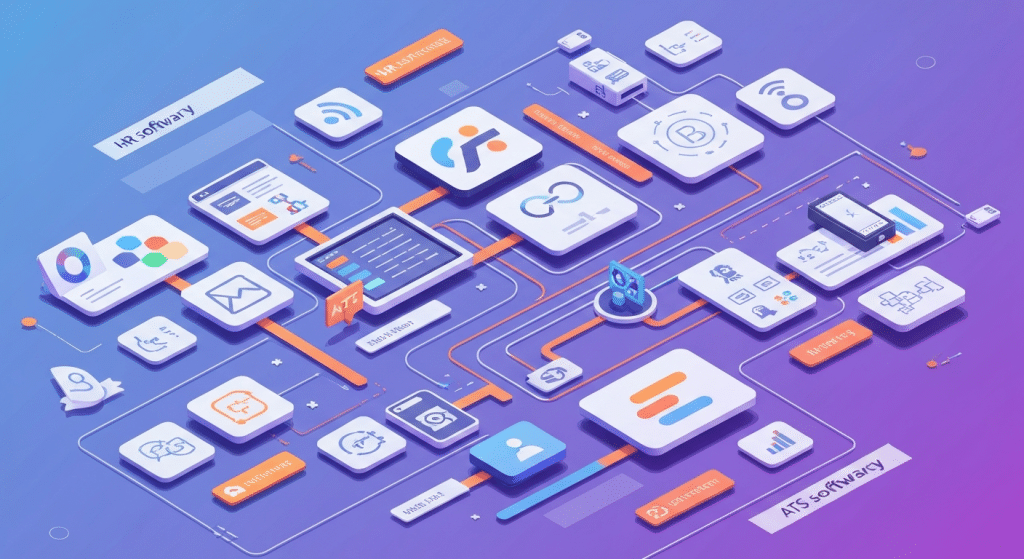
- Seamless ATS integration allows for a unified data flow between all your HR systems, from sourcing to onboarding.
- Look for software with robust APIs and data security to ensure a smooth, compliant, and secure connection.
Introduction
Overwhelmed by applications? High-volume hiring poses challenges like sorting resumes and maintaining candidate engagement. Specialized software integrated with your ATS and HR systems streamlines recruitment, automates tasks, accelerates talent identification, and ensures a seamless experience.
Understanding High-Volume Hiring Software and the Modern HR Stack

To build an efficient hiring process, understand your tools. High-volume hiring software manages large-scale recruitment, while your HR stack supports broader people operations.
Integrating these systems creates a unified platform that removes data silos and streamlines workflows, making hiring faster and more effective. Here’s how these components work together.
Defining High-Volume Hiring Software for Australian Organizations
High-volume hiring software helps companies quickly and efficiently recruit large numbers of candidates. In competitive fields like retail, customer service, and logistics, these tools manage high applicant volumes with ease.
Instead of manual resume reviews, the software uses automation and smart assessments to screen, rank, and shortlist thousands of applicants simultaneously. This speeds up hiring while maintaining quality.
For Australian organizations needing top talent, such software offers a major advantage—especially when it integrates seamlessly with popular ATS platforms. Automating candidate sourcing and evaluation can help you identify top performers up to 90% faster.
Overview of the ATS and Key HR Systems in Australia
Applicant Tracking Systems (ATS) streamline recruitment by posting jobs, collecting applications, and managing candidates in one database. While ATS handles hiring, other HR systems manage onboarding, performance reviews, and payroll.
Customizing an ATS for high-volume recruitment isn’t necessary if your software integrates well. Strong integration ensures seamless data flow from application to onboarding, benefiting both candidates and HR teams.
The Business Case for Integrating High-Volume Hiring Software with Your ATS
Integrating your high-volume hiring software with your ATS increases efficiency and effectiveness. Standalone systems cause data silos and manual work, slowing recruitment. Integration streamlines hiring, providing managers with a single source of candidate information. This unified platform gives you a strategic advantage and improves hiring outcomes. Here’s why integration matters.
Why Integration Is Essential for Fast-Growing Teams
For fast-growing teams, speed is essential. Hiring delays disrupt operations and slow growth. High-volume hiring tools accelerate recruitment by automating candidate data transfer and eliminating manual errors.
A connected system sends assessment results directly to your ATS, giving recruiters instant access to top candidates without switching platforms. This streamlines the process from application to offer.
Ultimately, a seamless system boosts candidate engagement. Faster, more efficient hiring creates a better experience, helps secure top talent before competitors, and strengthens your employer brand.
Key Benefits of a Unified Hiring and HR Platform
Integrating high-volume hiring software with your ATS and HR systems streamlines recruitment into a seamless, automated workflow. Centralized information helps your team hire faster and smarter.
This integration simplifies talent identification, reduces admin tasks, and eliminates manual data entry—allowing your team to focus on candidates.
Key benefits:
- Faster, More Accurate Hiring: AI quickly surfaces top candidates, cutting time-to-hire by up to 90%.
- Lower Turnover: Skills-based assessments lead to better hires, reducing turnover by 67%.
- Improved Candidate Experience: A smooth process and clear communication achieve 98% candidate satisfaction.
- Greater Efficiency: Automation removes bottlenecks, making it easy to handle high applicant volumes.
How Integration Transforms the Recruitment Pipeline
Integrating high-volume hiring software automates manual tasks and enables a data-driven recruitment process. It enhances the candidate experience and streamlines your team’s workflow.
Connected tools for applicant tracking, interview scheduling, and assessments ensure seamless information flow, providing full visibility into each candidate’s journey. Here’s how this integration can transform daily operations.
Seamless Data Flow Across High-Volume Hiring and Recruitment Platforms
Integration enables seamless data flow by letting your high-volume hiring software communicate directly with recruitment platforms, eliminating manual data entry. Candidate details, assessment scores, and progress updates sync automatically.
Choose software with strong, pre-built ATS integrations for smooth data transfer. Candidate information—like skills assessments—appears instantly in ATS profiles.
A unified data flow gives your recruitment team a single source of truth. No more switching systems; everyone accesses current information, saving time and reducing errors.
Automating Workflow to Accelerate Candidate Screening and Selection
Automation increases efficiency in high-volume recruitment. Integrating hiring software with your ATS automates tasks like resume screening and candidate communication.
Smart workflows automatically advance qualified candidates and notify managers, streamlining admin work and speeding up hiring.
Automated workflows improve both candidate experience and team productivity:
- Instant Screening: AI ranks applicants by skills, reducing manual review.
- Automated Communication: Personalized emails keep candidates informed at every stage.
- Faster Decisions: Top candidates are flagged for managers, enabling quicker, focused decisions.
Key Features to Look for in High-Volume Hiring Software for ATS Compatibility
When choosing high-volume hiring software, ensure it integrates smoothly with your ATS and HR platforms. The right tool should fit seamlessly into your workflow and enable secure data connections.
Integration-ready solutions prevent disruptions and support secure data flow between systems. Key features to look for include:
Integration-Ready API and Data Security Capabilities
A robust, well-documented API allows high-volume hiring software to easily integrate with HR tools like your ATS, enabling data sharing and workflow automation without complex development.
Data security is essential. Connecting external recruitment software to your ATS introduces new data pathways, so choose solutions that prioritize protection—excluding bias-inducing personal data and enforcing strict security protocols.
Compliance with privacy laws is mandatory. The software must securely manage candidate data and ensure it’s used only for its intended purpose, protecting both candidates and your organization.
Synchronisation with HR Systems and Real-Time Reporting
Your high-volume hiring software should integrate with core HR systems like performance management and payroll to ensure seamless candidate data transfer and efficient onboarding.
Choose software with real-time reporting for instant analytics, allowing you to track metrics, identify bottlenecks, and make informed decisions.
A fully integrated system maintains consistent data across the employee lifecycle. Integration benefits include:
| HR System | Benefit |
| Applicant Tracking (ATS) | Syncs candidate profiles and progress |
| Performance Management | Transfers new hire data seamlessly |
| Payroll | Sends start dates and roles efficiently |
Common Integration Challenges and How to Overcome Them
Integrating new software offers benefits but presents challenges. HR teams often face data migration, platform consistency, and compliance issues. Addressing these is key to successful integration.
Careful planning and selecting the right technology partner can ensure a smooth process. Here are common challenges and solutions.
Addressing Data Consistency and Migration Hurdles
A major challenge in integrating high-volume hiring software with your HR stack is ensuring data consistency. Incompatible formats across systems can cause mismatched or incomplete candidate records.
To prevent this, map data fields before integration and verify compatibility. Select a software partner with robust migration tools to reduce manual entry and cleanup.
Start by auditing your current data for inconsistencies. Create a clear migration plan and choose a hiring platform with flexible integration options that fit your existing structure.
Ensuring Compliance and Privacy in the Australian Talent Market
In today’s talent market, compliance and privacy are crucial. When linking external recruitment software to your ATS, prioritize security—especially in Australia, where privacy laws are strict.
Choose a hiring vendor that’s transparent about data handling and committed to security. The platform should anonymize candidates to reduce bias and use strong encryption.
Ensure the software supports regulatory compliance, gives candidates control over their data, and stores information securely. Selecting a vendor familiar with local laws lets you integrate tools confidently while protecting candidate and company data.
A Step-by-Step Guide to Implementing High-Volume Hiring Software With Your HR Stack
Ready to make a change? Integrating a high-volume hiring platform with your HR systems requires a clear plan to avoid issues and ensure a smooth transition for staff and new hires.
Follow these best practices for successful integration and faster results. This guide covers every phase, from planning to rollout.
Auditing Your Current Recruitment Technology and Setting Goals
To integrate a high-volume hiring platform, start by auditing your current technology and processes. Review recruitment metrics to spot bottlenecks like time-to-hire, candidate quality, or experience. Use these findings to set clear, measurable goals tied to business outcomes (e.g., “reduce time-to-hire by 30%” or “improve new hire quality”).
During your audit, examine the candidate journey:
- Application Process: Is your careers page and application form user-friendly?
- Job Descriptions: Are they clear and appealing to qualified candidates?
- Screening and Assessment: How much manual effort does screening require?
Best Practices for Testing and Rolling Out New Integrations
Before full rollout, thoroughly test your chosen software. Start with a pilot using a small team and one job requisition to identify and resolve issues early.
For a smooth transition:
- Train Your Team: Offer comprehensive training for HR staff and users.
- Communicate Clearly: Highlight how integration reduces manual tasks and boosts efficiency.
- Monitor and Optimize: Track recruitment metrics and gather feedback after launch for ongoing improvement.
Conclusion
Integrating high-volume hiring software with your ATS and HR tools streamlines recruitment through automated workflows and seamless data flow. This speeds up candidate screening and selection—essential for growing teams. Integration-ready APIs and robust data security ensure compliance with Australian regulations. A unified platform simplifies recruiting and enhances your employer brand. Ready to improve your hiring? Schedule a free consultation today!