

Cloud-based productivity suites have revolutionized the way businesses are run. Google Workspace and Microsoft 365 enable employees to collaborate from anywhere, edit documents simultaneously, and share files with just a click. However, this has created many risks for businesses. The same capabilities that enable collaboration are now making it extremely easy for data to leave your business’s control.
As a security team, you are often forced to play catch-up. You need to protect your business’s vast data without compromising the speed and agility that modern business demands. It’s a delicate balance between data protection and business agility. As threats evolve and remote work becomes the new normal, you can no longer rely on default settings to keep your business safe.
You need to take proactive steps to enhance your security controls to protect your business’s critical information. Among the many priorities, Google Workspace security stands out as essential for safeguarding sensitive data in a collaborative, cloud-based environment.
Critical Security Controls for Data Protection
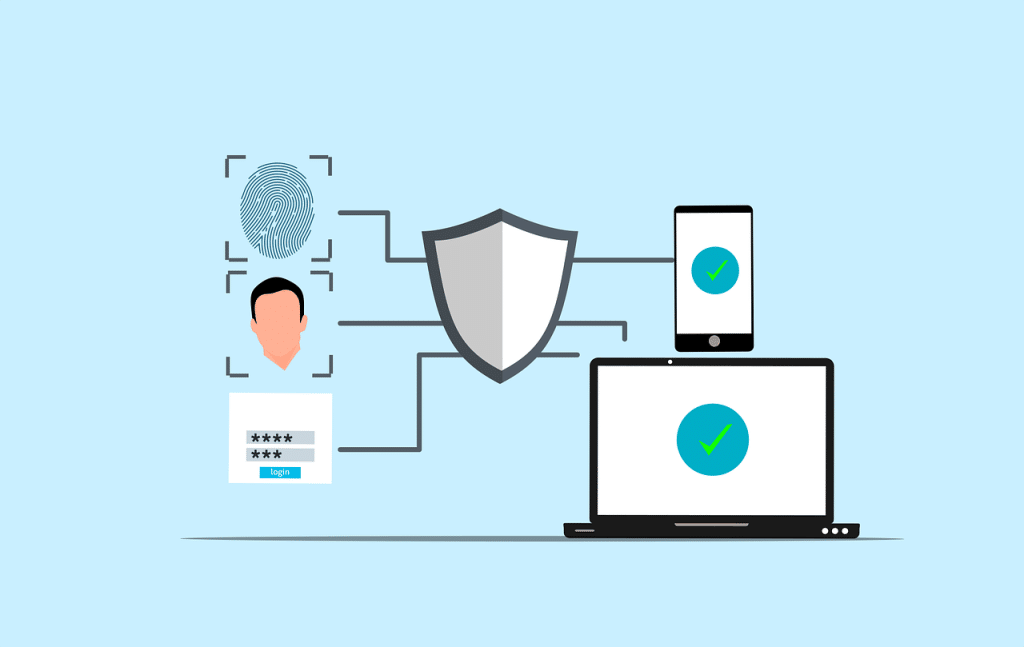
The first line of defense for any cloud-based setup is to provide robust access controls. Identity and Access Management (IAM) protocols are essential for ensuring that only approved personnel gain access to certain data. Multi-Factor Authentication (MFA) is not optional in the cloud-based setup. It’s a required component that provides an added layer of verification that passwords alone simply cannot offer.
Another important aspect of security, apart from access, is encryption. Data at rest as well as in transit needs to be encrypted. This way, in case of an intercept or a server compromise, the data will be useless to the attacker. Data loss prevention policies are also effective in preventing sensitive data from being shared outside the enterprise. These policies are automated and can be set up to block emails containing credit card numbers or prevent sharing of confidential folders with people outside the enterprise.
Implementing Zero Trust Architecture
The traditional security architecture of perimeters is no longer valid. In the past, everyone inside the corporate network perimeter was trusted. However, today users access data from various locations such as coffee shops, home offices, or airports using different devices. This requires a completely different approach to security, which is known as zero trust architecture.
“Never trust, always verify” is the guiding philosophy of the zero trust architecture. Every request for access needs to be authenticated, authorized, and encrypted before providing access. This needs to be done irrespective of the source of the request. To implement this, micro-segmentation of the network needs to be done. In this approach, the network is divided into different zones to provide separate access to different parts of the network. In case of a breach, the impact of the breach will be confined to a limited segment of the network. This reduces the attack surface of the enterprise and minimizes the potential impact of a breach of credentials.
Real-Time Monitoring and Threat Detection
Preventive measures are necessary, and they are effective in most cases. However, they may fail at times. To be effective, you need to be aware of the situation within your enterprise at a given time.
Let’s take an example from Google Workspace, such as an employee suddenly downloading terabytes of data or sharing a sensitive financial sheet with an outside personal email account. The threat would not be detected in time without the alerts, which are not available in Google Workspace.
Advanced threat detection tools use sophisticated techniques to analyze the behavior and identify patterns that are not normal. The threat can be identified if the login location is suspicious or the file activity is unusual. The data can be integrated with a SIEM solution to monitor the overall security posture.
The Future of Secure Collaboration
The digital collaboration environment will continue to change; as it does, so will the threats against it. Securing your cloud productivity suite is an ongoing process of adaptation and improvement. Organizations that focus on the importance of security controls, zero-trust environments, and real-time monitoring will be the most protected against threats looking to compromise financial data and intellectual property. By creating a robust security environment, you enable your team to collaborate with the confidence of knowing that your most valuable assets are protected!