

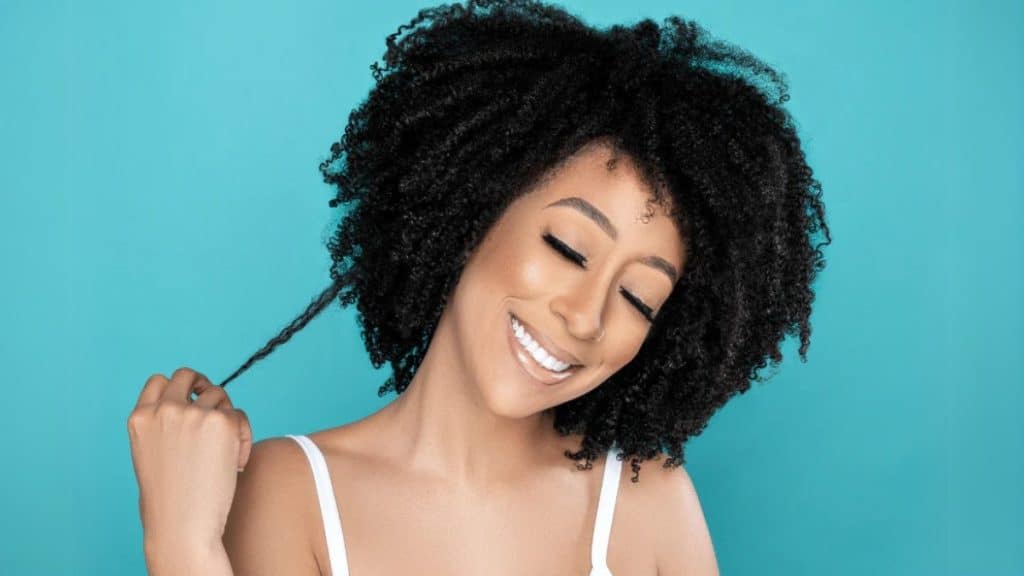
4b and 4c Afro hair are often confused, but they have distinct characteristics that impact how they should be cared for and styled. In this guide, we’ll break down the differences between 4b and 4c hair, how to identify them, and provide tips on how to maintain healthy, beautiful coils.
If you’re exploring options for afro hair transplant in Turkey, there are professional services available that can help restore your natural hair texture and volume. If you want to see the before and after results of people who have undergone afro hair transplants, check out this detailed before and after results.
What is 4b Hair?
4b hair is characterized by a tight, zigzag pattern with sharp angles and less defined coils. It doesn’t form neat curls like 4a, and it tends to be more angular or kinkier in appearance. The strands in 4b hair are often fine and delicate, and the texture can vary from soft to coarse, depending on your unique strand patterns.
Key Features of 4b Hair:
- Curl pattern: Tight zigzags with little to no curl definition.
- Shrinkage: Moderate shrinkage compared to 4c.
- Texture: Can feel cottony, coarse, or sometimes spongy.
- Appearance: Appears fuller, more voluminous, and dense when compared to 4c hair.
What is 4c Hair?
4c hair features extremely tight curls that often resemble corkscrews. The curls are so tight that they are sometimes invisible to the naked eye when the hair is not stretched. 4c hair tends to shrink more than 4b hair, which means it can appear much shorter when dry. This texture can range from wiry to spongy and is typically more dense and fragile than 4b hair.
Key Features of 4c Hair:
- Curl pattern: Extremely tight coils or corkscrews that can be hard to distinguish when the hair is not stretched.
- Shrinkage: Significant shrinkage (up to 75% of the hair’s length) when dry.
- Texture: Feels wiry, spongy, or even slightly rough.
- Appearance: Can appear denser and fuller than 4b hair due to shrinkage.
Key Differences Between 4b and 4c Hair
Coil Definition and Shape
The most noticeable difference between 4b and 4c Afro hair is the coil pattern.
- 4b hair has a zigzag pattern with sharp angles that do not have well-defined curls. It’s less uniform and might appear more frizzy or poofy.
- 4c hair has tight coils or corkscrews that are incredibly small, creating a very defined, tight spiral when stretched or wet. The curl pattern is often less visible in its natural state because of the hair’s tendency to shrink dramatically.
Shrinkage
Both 4b and 4c hair shrink, but 4c hair tends to shrink more than 4b hair.
- 4b hair will shrink up to 50-60% of its actual length when dry.
- 4c hair can shrink up to 75% or more, making it appear much shorter than it is in its natural, unstretched state.
This shrinkage is an important factor to consider when styling, as it can significantly impact the way your hair looks.
Texture and Feel
Texture plays a huge role in how your hair behaves and reacts to different products.
- 4b hair: Often feels cottony or coarse. It may require more moisture to prevent dryness and maintain softness.
- 4c hair: Generally feels wiry or spongy, with a tendency to feel more dense and fragile. It also requires a high level of moisture, but it can sometimes appear more dry due to the tighter curls and increased shrinkage.
Appearance and Volume
- 4b hair often appears more voluminous and fuller due to the less compact nature of the curls.
- 4c hair tends to appear more dense and compressed, especially when dry due to the extreme shrinkage.
Common Misunderstandings About 4b and 4c Hair
One of the most common misconceptions is that 4b hair is simply smaller or more defined than 4a, but larger or looser than 4c. In reality, 4c is a separate category that was added later on to better represent coily hair that didn’t fit the definition of 4a or 4b.
Another misunderstanding is the confusion between hair pattern and texture.
- Pattern refers to the shape of your curls or coils (e.g., tight zigzags vs. corkscrew curls).
- Texture describes how the hair feels, such as wiry, cottony, or spongy.
It’s important to recognize that 4b and 4c hair can have similar patterns but very different textures, which can affect how they look and behave when styled.
Maintaining Healthy 4b and 4c Hair
Understanding your hair type helps you determine the best hair care routine. Whether you have 4b or 4c hair, your natural hair requires special attention and care.
Moisturization
Both hair types benefit from regular moisture. Deep conditioning, oil treatments, and leave-in conditioners are essential for maintaining healthy hair. Use products that cater specifically to coily or kinky hair.
Protective Styles
Consider using protective hairstyles such as braids, twists, or bantu knots to reduce breakage and allow your hair to grow without excessive manipulation.
Shrinkage Control
To reduce shrinkage, you can stretch your hair using heat-free methods such as banding or twist-outs. If using heat, be sure to apply a heat protectant to avoid damage.
Conclusion
Whether you have 4b or 4c Afro hair, it’s important to embrace your unique curls and coils. Hair typing systems are helpful for identifying your hair’s pattern, but they are not definitive. The best approach is to focus on caring for your natural texture and understanding how it behaves, regardless of its classification.
Remember, healthy hair is about more than just appearance—it’s about self-love and confidence in your unique natural beauty.