

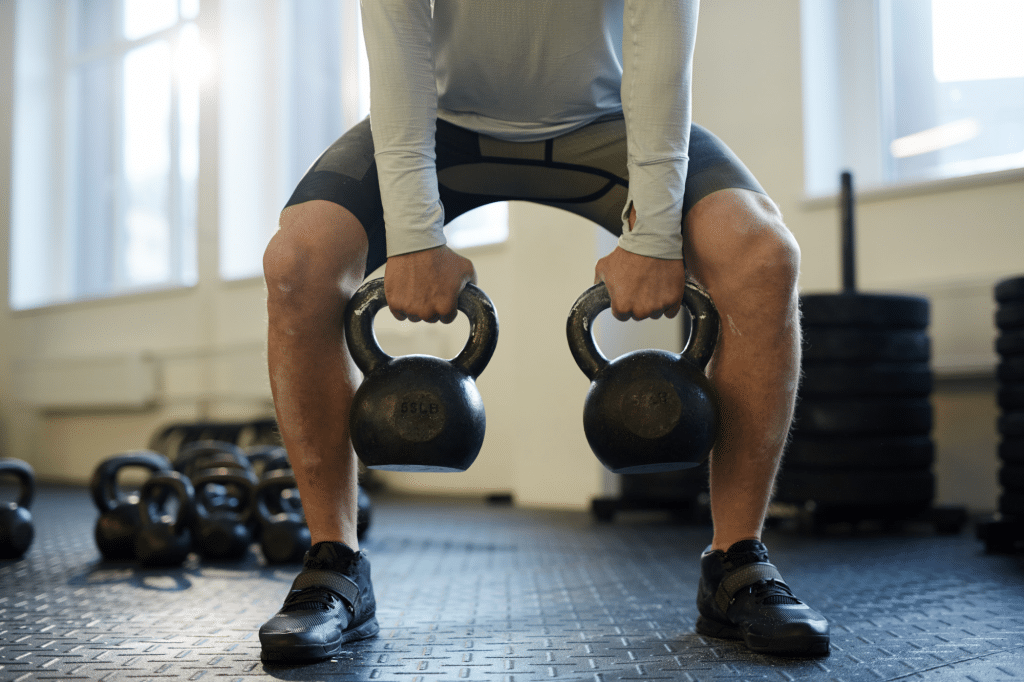
There are very few pieces of fitness equipment that genuinely do it all.
Most tools are purpose-built for one thing. A treadmill gives you cardio. A barbell gives you heavy strength work. A foam roller gives you recovery. Each has its place, but none of them works across every dimension of fitness simultaneously.
The kettlebell is the exception.
It builds strength, develops cardiovascular conditioning, improves mobility and stability, burns fat, and enhances athletic movement patterns all within the same session and often within the same exercise. For Australians building a home gym, travelling athletes, or anyone looking to get maximum results from minimum equipment, the kettlebell is the most versatile training tool available.
Why Kettlebells Work So Well
The design of the kettlebell is deceptively simple. A cast iron ball with a flat base and a thick handle. But that offset centre of gravity is precisely what makes it so effective.
Unlike a dumbbell, where the weight sits symmetrically in the hand, a kettlebell’s mass hangs below the grip. This offset loading challenges stability, grip strength, and the stabilising muscles throughout the wrist, elbow, shoulder, and core in ways that symmetrical loading simply does not replicate.
Every kettlebell movement demands whole-body coordination and tension. The swing, one of the most fundamental kettlebell exercises, simultaneously develops explosive hip power, posterior chain strength, cardiovascular endurance, and grip strength within a single fluid movement. No machine in a gym produces that combination.
The ballistic nature of many kettlebell exercises, movements that involve generating and absorbing force through a full range of motion, also develops the kind of functional athletic strength that translates directly into better performance in sport, daily life, and every other form of training.
The Training Benefits That Keep People Coming Back
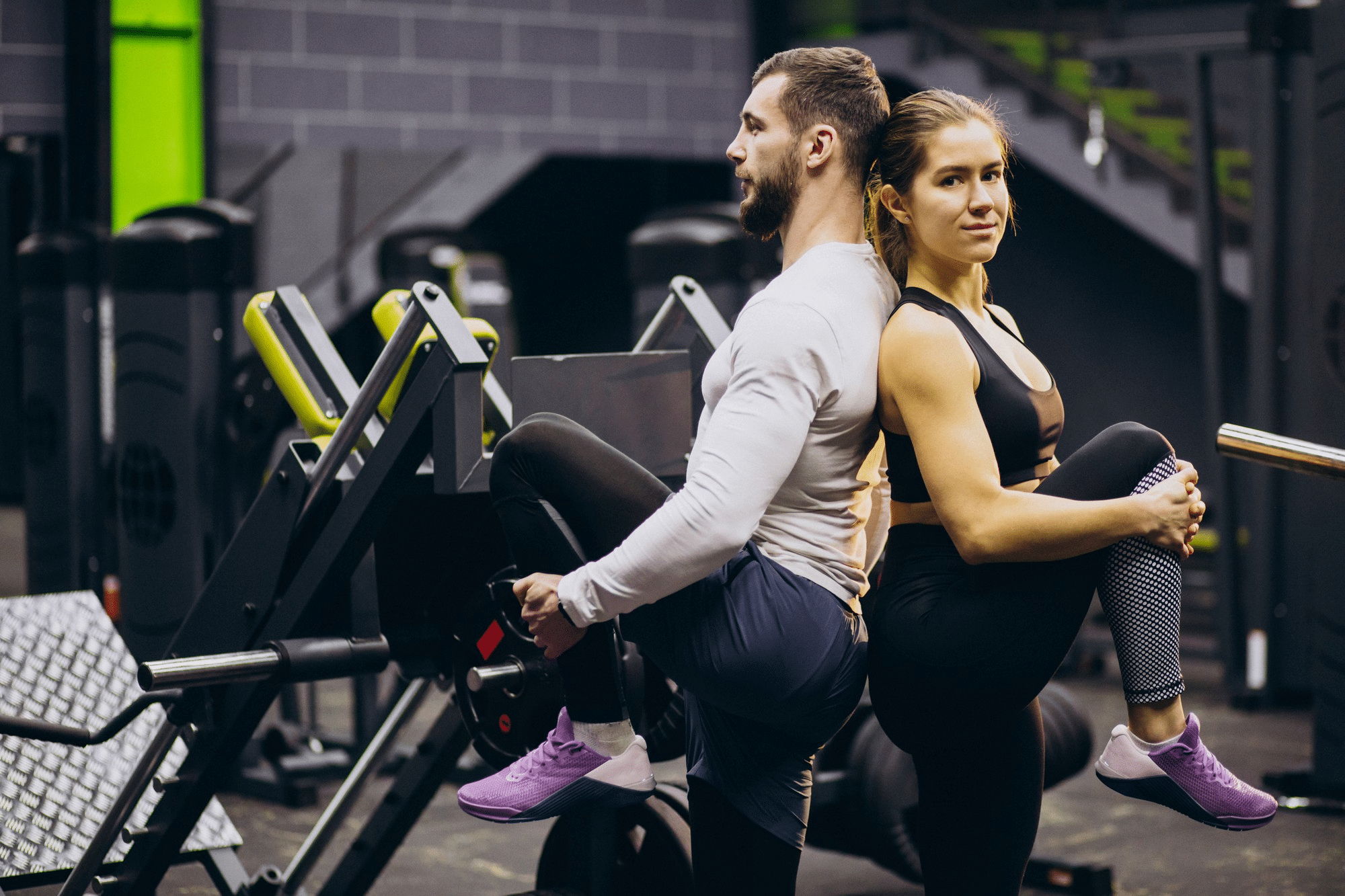
Strength and conditioning coaches have used kettlebells with elite athletes for decades, and the reasons are well-established.
Kettlebell training develops posterior chain strength, the muscles of the glutes, hamstrings, and lower back, more effectively than most conventional gym exercises. This matters enormously because the posterior chain is the primary engine of almost every athletic movement and one of the most undertrained areas in conventional fitness routines.
The cardiovascular demand of kettlebell training is also significantly higher than most people expect going in. A set of heavy swings or kettlebell snatches elevates heart rate rapidly and sustains it, producing a conditioning effect that rivals dedicated cardio training while simultaneously building strength and muscle.
For people with limited training time, this dual benefit is significant. A focused forty-minute kettlebell session delivers what would otherwise require separate strength and cardio sessions, making it one of the most time-efficient training modalities available.
Core stability is another area where kettlebell training consistently produces results. The offset loading, the dynamic movement patterns, and the full-body tension required throughout most kettlebell exercises build deep core stability that transfers directly to injury prevention and performance in every other physical activity.
Choosing the Right Kettlebell Weight
One of the most common questions from people new to kettlebell training is where to start with weight selection.
The answer depends on both training experience and the specific exercises being performed. Lower body dominant movements like swings, deadlifts, and goblet squats can typically handle heavier loads than upper body pressing and pulling movements from the outset.
As a general starting point, women new to kettlebell training often begin with a twelve-kilogram bell for most movements and a sixteen-kilogram bell for lower body exercises. Men typically start with a sixteen-kilogram bell for most movements and a twenty to twenty-four-kilogram bell for swings and lower body work.
These are starting points, not limitations. Kettlebell training progresses quickly once foundational movement patterns are solid, and most people find themselves needing heavier bells within a few months of consistent training.
This is why owning a small range of weights rather than a single bell is the most practical long-term approach. Having two or three kettlebell weights available allows you to match the load to the exercise and continue progressing without being held back by equipment limitations.
If you are ready to invest in a quality kettlebell collection that supports your training from beginner through to advanced, choosing from a reputable Australian supplier ensures you get equipment built to the standard that serious training demands. You can explore our kettlebell collection through Kinta Fitness and find a range of quality options across weights and styles suited to home training and commercial gym environments alike.
Building a Kettlebell Training Practice
The real value of kettlebell training reveals itself through consistent practice over time.
The foundational movements, the swing, the goblet squat, the Turkish get-up, the clean, the press, and the snatch, each require genuine skill development that rewards time invested. Unlike machine-based training, where the movement is fixed and guided, kettlebell training develops real physical intelligence that carries over into everything else you do.
Starting with two to three sessions per week focused on mastering the foundational movements builds the base from which more complex programming develops naturally. Technique matters far more than load in the early stages, and investing time in moving well pays dividends in both results and injury prevention throughout the training journey.
Video resources, qualified kettlebell coaches, and structured programs are all excellent tools for accelerating skill development. The kettlebell community in Australia is active and supportive, and connecting with it makes the learning curve significantly more enjoyable.
One Tool, Endless Possibility
The kettlebell rewards consistent investment in a way that few training tools match.
It travels easily, stores compactly, requires no machine or bench, and delivers a complete training stimulus that covers strength, conditioning, mobility, and stability within every session. For the Australian who wants to train effectively without a gym membership, or the serious athlete looking to add a powerful supplementary tool to their existing setup, the kettlebell belongs in the equation.
Buy quality. Train consistently. The results will follow.