

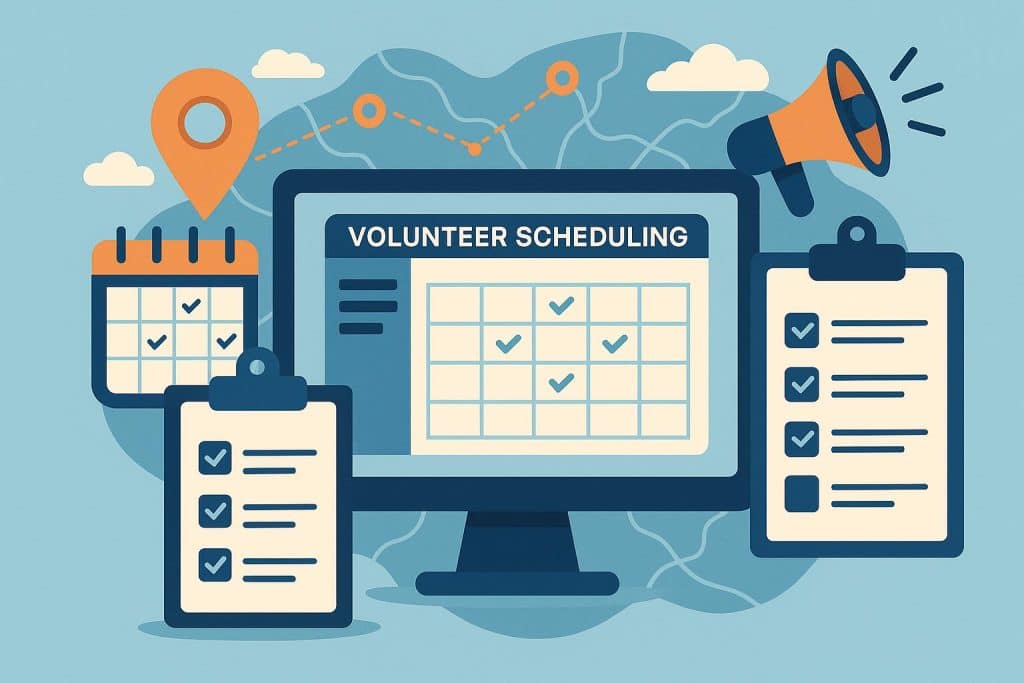
Large community festivals, charity runs, and cultural gatherings bring people together and create memorable experiences. These events run well when every helper understands the plan and feels supported through clear guidance.
Growing events create more moving parts, and organizers rely on practical tools that keep staffing details organized. Many teams use volunteer scheduling software to place shifts, tasks, and communication in one coordinated system. It keeps everything simple for helpers and leaders.
Understand The Structure Of Event Staffing
Event staffing includes many layers because each gathering has its own layout and flow. Outdoor functions may need hydration stations, ticket teams, and volunteer supervisors. Indoor events may call for check-in support, ushers, and cleanup crews that maintain steady movement through the space.
Each group plays a meaningful part, and planners depend on accurate shift details to keep everything aligned. Venue layout, guest turnout, and timing shape how people are assigned across the site. A clear structure helps leaders build a balanced plan that supports each area throughout the day.
Help Teams Organize Tasks With Clarity
A clear task structure gives helpers confidence and helps the event move forward smoothly. Below is a brief guide that outlines how teams benefit from a simple and organized task layout.
- Task Visibility: Clear lists help helpers understand what each assignment requires and how it fits into the event flow.
- Shift Clarity: Straightforward shift outlines help individuals plan their time around specific roles.
- Skill Matching: Placing helpers in roles that match their strengths creates steadier teamwork.
- Central Access: One reliable place for all assignments keeps last-minute confusion away.
Strengthens Communication Before And During Events
Clear communication helps event teams work together without any strain. When volunteers receive the right information early, they arrive ready and confident. A simple message before the event can reduce questions and create a positive start for everyone involved.
Gatherings gain extra steadiness when leaders offer timely updates. Messages sent at the right moments help set expectations and keep helpers aligned with the pace of the event. Reliable communication gives every person a sense of connection and purpose.
Builds Smoother Check-In Processes
A smooth check-in sets the tone for the entire event. Below is a short guide that explains how structured check in support strengthens the experience for helpers.
- Clear Arrival Steps: Simple instructions help each helper start their shift without delays.
- Quick Assignment Access: Easy access to role details supports calm and steady arrivals.
- Helpful Orientation: Brief guidance at check-in strengthens confidence.
- Organized Flow: A steady process prevents crowding and keeps teams moving to their stations.
Supports Real-Time Staffing Needs
Event conditions change because turnout, pace, and timing shift throughout the day. Leaders need simple ways to adjust staffing needs, so every area stays supported and responsive. A reliable software offers quick adjustments that help keep the atmosphere relaxed and guest-friendly.
Events work well when leaders can shift helpers as needed to maintain steady coverage. This type of flexibility protects busy zones from strain and keeps the experience smooth for everyone. When support moves naturally around the event site, teams remain energized and available.
Events depend on steady coordination, and effective tools help leaders manage complex staffing patterns with confidence. A reliable volunteer scheduling software can guide helpers, support communication, and keep every part of the event aligned. Good planning nurtures a positive atmosphere that benefits both volunteers and guests. Teams that stay organized build memorable experiences for their communities.