

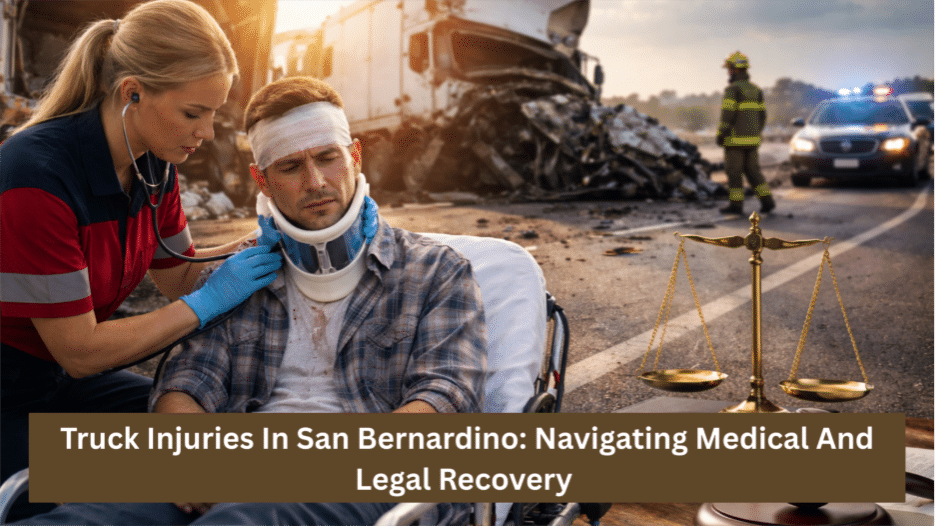
A truck accident can turn your life upside-down in a matter of seconds. One minute you are on your way through familiar roads, and the next minute you are suffering from pain, medical appointments, missing work, and unanswered questions.
The size and weight of the commercial trucks often result in severe injuries, which means the recovery is rarely simple or quick. Along with the physical trauma, there is emotional stress and even financial pressure, which may be overwhelming.
Understanding what is next is important when every decision impacts your health and future stability. This article covers how to navigate medical and legal recovery following a truck accident in San Bernardino, step by step.
Understand Nature of Truck Accident Injuries

Truck accidents are a lot different than normal vehicle collisions. Due to the weight and size of the commercial trucks, when they do hit someone, the force of impact is often catastrophic.
Injuries can include traumatic brain injuries, spinal cord damage, fractures, internal organ damage, and long-term mobility problems. In many of the cases, recovery requires months or even years of treatment.
When dealing with truck injuries, it is important to know that the injuries experienced are often worse with time. Symptoms like chronic pain, nerve damage, or cognitive problems may not present themselves right away.
For this reason, early evaluation and consistent medical documentation become critical. Detailed records of truck injuries in San Bernardino help establish how injuries progress and why continued care is necessary, which is especially important when seeking legal support. Additionally, truck accidents rarely stem from a single cause.
Driver fatigue, overloaded cargo, mechanical failure, and unsafe driving habits all have a role to play. As a result, the injury itself is only part of a much larger picture, which must be carefully examined.
Prioritize Immediate and Ongoing Medical Care
Medical care should always be your top priority following a truck accident. Even though injuries appear to be manageable in the beginning, internal damage or head trauma may remain hidden.
Prompt evaluation enables doctors to diagnose serious diseases at an early stage and begin the development of a planned treatment process. In addition to emergency care, continuous medical attention is very important.
Follow-up appointments, physical therapy, diagnostic imaging, and specialist consultation ensure that progress is tracked and complications are avoided. Consistency in treatment also provides a clear record of medical treatment that is valuable in the future if legal action is taken.
In addition, following the medical advice strictly shows you are committed to recovering. Gaps in treatment or ignored recommendations can be seen as an indication of a lack of seriousness about your injuries. Therefore, being proactive helps sustain physical healing or long-term stability.
Recognize Long-Term Impact On Daily Life

Truck accident injuries often go way beyond physical pain. Many sufferers experience decreased mobility, emotional upset, and the inability to return to work. Daily routines may change drastically, affecting independence and quality of life.
Financial strain is another great concern. Medical bills, rehabilitation costs, and lost wages can add up very quickly. When injuries prevent a return to previous employment, long-term loss of income is very much a reality. As a result, an understanding of the impact of injuries on the earning capacity is an essential part of recovery planning.
On top of that, emotional recovery should not be ignored. Anxiety, sleeping problems, and post-traumatic stress are common after serious accidents. Addressing mental health needs by means of counseling or therapy helps to create a more balanced and sustainable process of recovery.
How Liability Works In Truck Accident Cases?
Truck accident cases are more complicated than standard car accidents. Liability may extend beyond the driver of a truck to include trucking companies, vehicle manufacturers, maintenance providers, or cargo loaders. Each party has legal responsibilities that must be carefully evaluated.
Federal and state trucking regulations also play a major role. Rules that address driver hours, vehicle inspections, and load limits are in place to promote safety. When these regulations are violated, they may contribute directly to an accident and resulting injuries.
Since there can be several parties involved, it is necessary to conduct a detailed investigation to determine the fault. Accident reports, maintenance records, driver logs, and expert analysis are often required. Understanding how liability operates is important for injured people to see why the cases require a thorough legal examination.
Role of Documentation in Medical and Legal Recovery

Documentation serves as a link between the medical recovery and legal protection process. Medical records, diagnostic reports, treatment plans, and prescriptions provide an obvious timeline of injury and recovery. These records prove the severity of injuries and the care needed to treat them.
In addition to medical documents, personal records are also important. Keeping notes about levels of pain, daily limitations, as well as emotional challenges is insightful into how the injuries affect everyday life. Photographs of injuries and accident scenes can also be used to strengthen documentation.
Furthermore, it is important to maintain communication related to the accident. Insurance correspondence, witness statements, and repair estimates help to build a complete picture. Organized documentation reduces the uncertainty and ensures that the recovery efforts are supported by accurate information.
Plan Path Toward Stability and Recovery
Recovery after a truck accident is rarely linear. Some days show progress, while others feel discouraging. Setting realistic expectations helps shift focus toward steady improvement rather than immediate results.
A structured approach provides clarity during uncertainty. Following medical guidance, tracking expenses, and understanding injury-related legal rights all contribute to stability, even when progress feels slow.
Most importantly, recovery involves rebuilding confidence and independence. Through rehabilitation, workplace adjustments, or long-term care planning, the goal is to regain normalcy and move forward with informed decisions.
Conclusion
Truck accidents can affect physical health, finances, and long-term stability. Understanding injury severity, seeking timely medical care, and recognizing future impacts help you recover with clarity.
Informed decisions, patience, and preparation support a steady path forward and protect lasting well-being.