

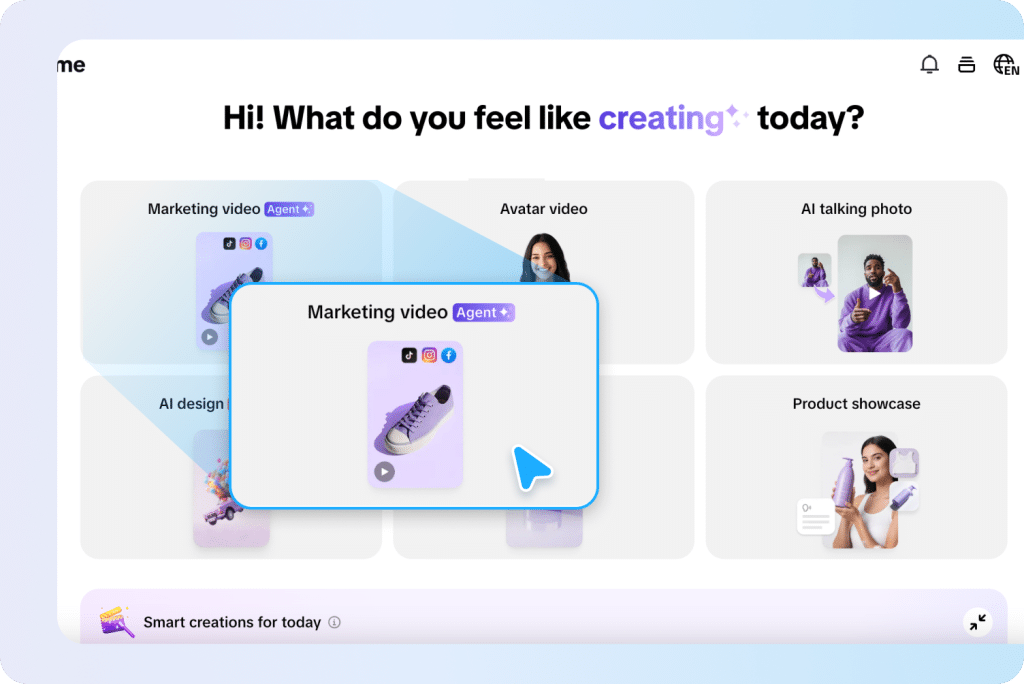
Artificial intelligence has introduced many innovations in the field of digital content creation. Businesses, educators, and online creators now rely on automated tools to produce videos faster than ever before. These tools reduce the need for complex editing software and make video production accessible to a wider audience. One of the technologies driving this transformation is the AI video generator, which allows users to convert written scripts or ideas into structured video presentations with minimal manual editing.
While these tools provide many advantages, it is also important to understand that they are not perfect solutions for every situation. Like any emerging technology, AI-powered video tools have certain limitations that creators should consider when using them for content production.
Understanding these challenges helps creators use AI tools more effectively while maintaining realistic expectations about what the technology can achieve.
Limited Creative Control
One of the main limitations of automated video tools is the level of creative control they provide. Traditional video editing allows creators to adjust every detail of a video, including camera angles, lighting, visual effects, and scene transitions.
AI-powered systems focus primarily on automation and efficiency. While they can generate scenes quickly, the customization options may sometimes be limited compared to professional editing software.
Creators who need highly detailed or cinematic video production may still prefer traditional editing methods, especially for projects that require advanced visual storytelling.
Dependence on Input Quality
AI systems rely heavily on the information provided by the user. If the script or written input is unclear or poorly structured, the generated video may also appear confusing or less effective.
For example, if a creator provides vague instructions or incomplete content, the AI system may struggle to select visuals that accurately represent the message. This means that even though the production process is automated, creators must still invest time in preparing clear and organized scripts.
Good input leads to better output, which is an important principle when working with automated tools.
Repetition in Visual Elements
Another challenge sometimes associated with automated video tools is the repetition of visual elements. AI systems often rely on stock footage libraries, templates, and pre-designed visual assets.
If many creators use the same templates or media resources, videos may appear visually similar across different platforms. This can make it harder for brands or creators to stand out from competitors.
To address this issue, creators often customize their videos by adjusting visuals, replacing images, or modifying templates to create a more unique presentation.
Limited Context Understanding
Although artificial intelligence has made significant progress in understanding language and context, it may not always interpret complex ideas perfectly.
Certain topics require deeper contextual understanding or cultural nuance that automated systems may not fully capture. For instance, storytelling videos or emotionally driven narratives may require more human creativity than automated tools can currently provide.
Creators often review and refine the generated video to ensure that the visuals align with the intended message.
Balancing Automation With Human Creativity
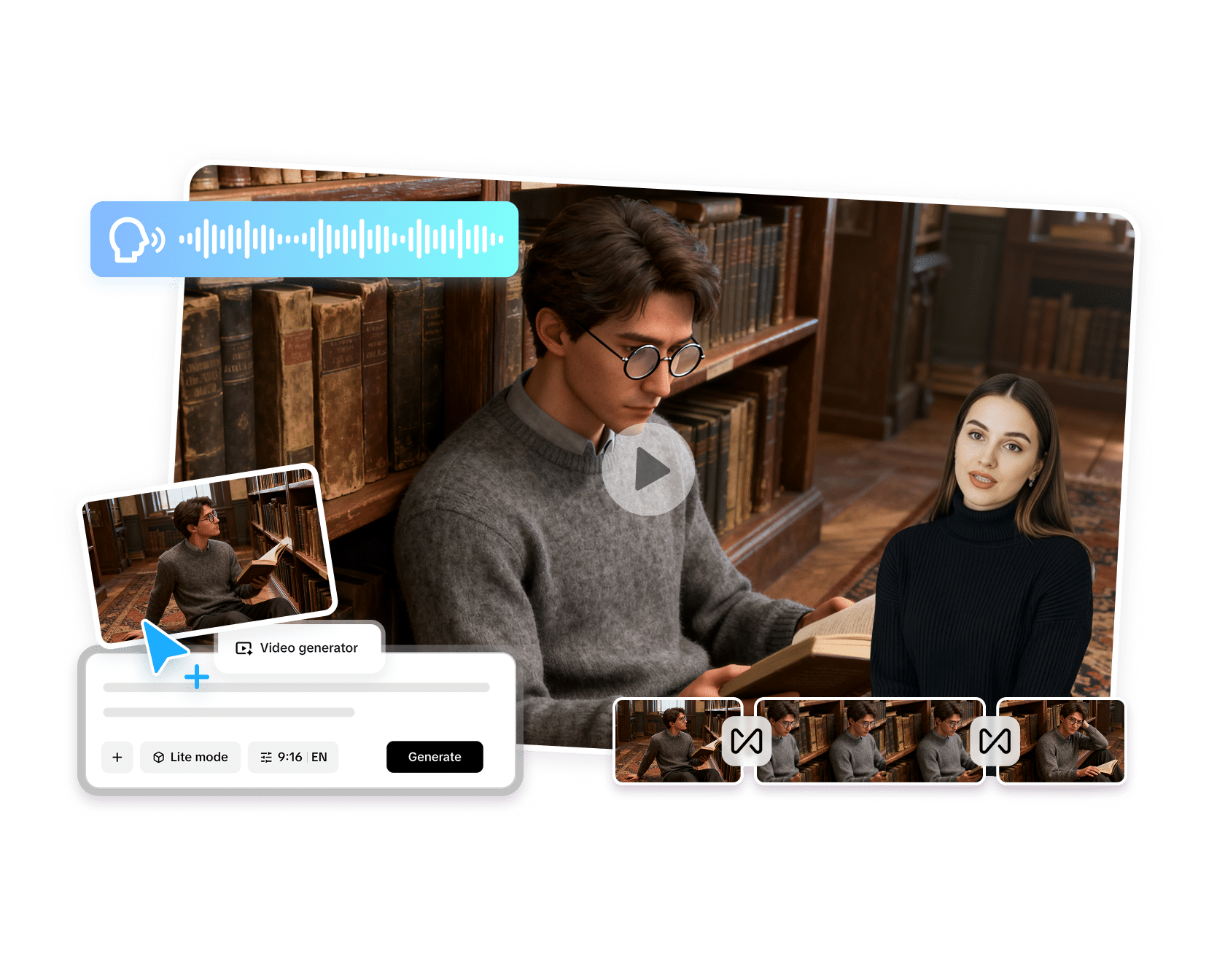
Automated tools are most effective when they are used to support human creativity rather than replace it entirely. AI-powered systems can handle repetitive technical tasks such as generating scenes or adding subtitles, which allows creators to focus more on storytelling and strategy.
With an AI video generator, creators can accelerate the production process while still applying their own creative direction to refine the final output.
By combining automation with human creativity, creators can achieve better results than relying solely on either approach.
Choosing the Right Tool
Another factor to consider is the variety of AI video tools available in the market. Different platforms offer different features, workflows, and capabilities.
Some tools focus on marketing videos, while others specialize in educational content or social media clips. Selecting the right platform depends on the specific needs of the creator or business.
For example, platforms such as Pippit help users convert written ideas into video content quickly, making them useful for teams that need to produce visual content regularly.
Exploring different tools allows creators to identify solutions that best fit their production goals.
Continuous Improvements in AI Technology
Despite current limitations, AI technology continues to improve rapidly. Developers are constantly working to enhance the accuracy, flexibility, and creative capabilities of AI-powered systems.
Future tools may offer better contextual understanding, more advanced visual generation, and greater customization options. As these improvements are introduced, the limitations of current systems may gradually become less significant.
Creators who stay informed about these developments will be better prepared to take advantage of new opportunities in digital content production.
The Importance of Strategic Content Planning
Even with advanced automation tools, successful video content still requires thoughtful planning. Creators should consider the purpose of their videos, the needs of their audience, and the message they want to communicate.
AI tools can simplify the technical aspects of production, but the strategy behind the content remains a human responsibility.
When creators combine strategic planning with automated production tools, they can produce videos that are both efficient and impactful.
Conclusion
AI-powered video tools have made it easier than ever to produce engaging visual content. By automating many aspects of video production, these technologies allow creators to generate videos more quickly and efficiently.
However, understanding the limitations of automated systems is essential for achieving the best results. Factors such as creative control, input quality, and contextual understanding still play important roles in the video creation process.
By using AI tools thoughtfully and combining them with human creativity, creators can unlock the full potential of modern video production technologies.