

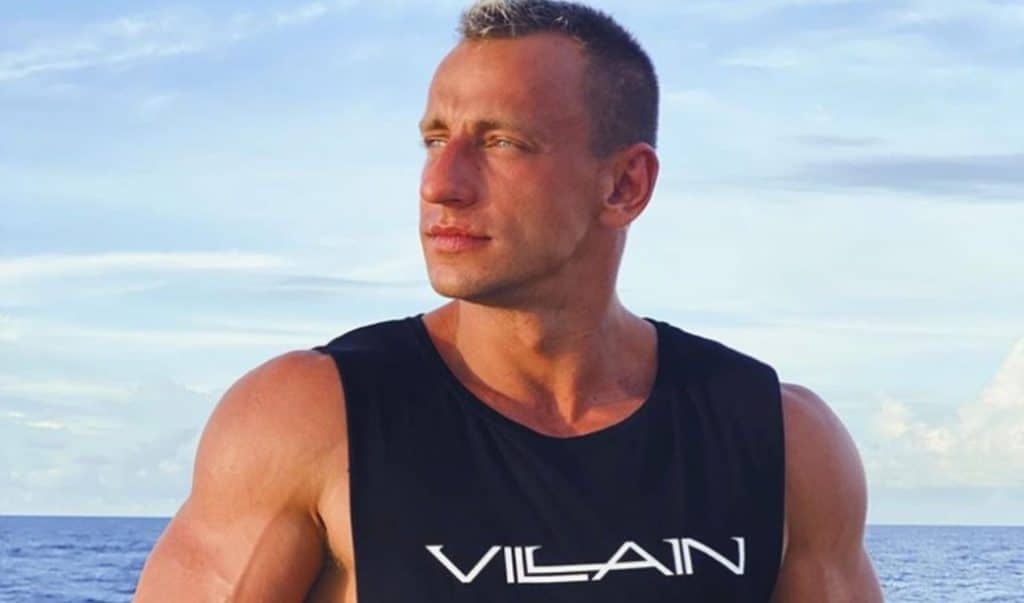
Vitaly Zdorovetskiy built an empire pushing boundaries for clicks, but his latest saga isn’t a prank. With the streamer facing deportation to Russia after months in detention, his case serves as a stark reminder of the “Guest Rule.” Just as a homeowner evicts a destructive visitor, nations can revoke residency when criminal lines are crossed, proving that digital fame cannot override real-world immigration laws.
The ‘Point of No Return’ for Non-Citizen Residents
Even after years of building a massive online following in the United States, non-citizens operate under strict residency limitations. While a Green Card offers residency, it lacks the absolute protection of citizenship. For influencers like Vitaly, this distinction is critical: a citizen who breaks the law goes to jail, but a resident who commits a serious crime faces the total revocation of their right to stay.
The specific legal tipping point involves what immigration law classifies as an “aggravated felony.” This category covers serious offenses—often including violence or significant theft—that automatically trigger a status review. Once convicted, the “criminal clock” of prison time runs alongside an “administrative clock,” allowing officials to initiate visa revocation regardless of how long the person has lived in the country.
The Escalation to Removal:
- The Trigger: A serious arrest occurs, immediately flagging the individual in federal immigration databases.
- The Conviction: A judge issues a criminal sentence, establishing the legal grounds for a status review.
- The Order: Authorities issue an administrative removal order, mandating deportation once the prison term concludes.
Legal defenses that work in criminal court often crumble during this phase. Unlike a standard trial, an administrative removal hearing strictly determines if visa terms were violated. Once that violation is established, the path leads away from the courtroom and directly into the stark conditions of immigration detention.
Inside the ‘Jail Hell’ and the Removal Pipeline
Once the legal order is signed, the individual is transferred to administrative detention, a holding pattern that often feels far more precarious than standard prison. For high-profile figures like Vitaly, who described his experience in custody as “jail hell,” this phase immediately strips away all celebrity privileges. Unlike criminal sentences which have fixed end dates, immigration holding centers function as indefinite waiting rooms where detainees must remain until travel documents are processed and flights are secured.
Coordinating this international removal requires complex logistics between the host country’s enforcement agency—in this case, Mexico’s Instituto Nacional de Migración (INM)—and the receiving nation. Agents do not simply release the individual at the airport; they physically escort the deportee through security and onto the aircraft to ensure they actually leave the territory. This process is a custodial handoff rather than a voluntary departure, guaranteeing that the foreign national is removed from the jurisdiction entirely.
Beyond the immediate physical removal, the most lasting consequence is the administrative travel ban that follows. Formal deportation triggers a status of “inadmissibility,” effectively locking the individual out of the country for years or even permanently. For a digital creator whose career relies on global mobility, this creates an invisible border wall that money cannot bypass.
The High Cost of ‘Outlaw’ Content
Vitaly’s removal transforms the perception of influencer antics from harmless entertainment to serious legal liabilities. The distinction between a temporary prison sentence and a permanent deportation order highlights why navigating immigration law is essential for digital creators. As the future of VitalyzdTv content shifts post-deportation, it demonstrates that online fame cannot supersede international legal rights or exempt citizens of other nations from local laws. Ultimately, digital clout holds zero power over real-world borders.