

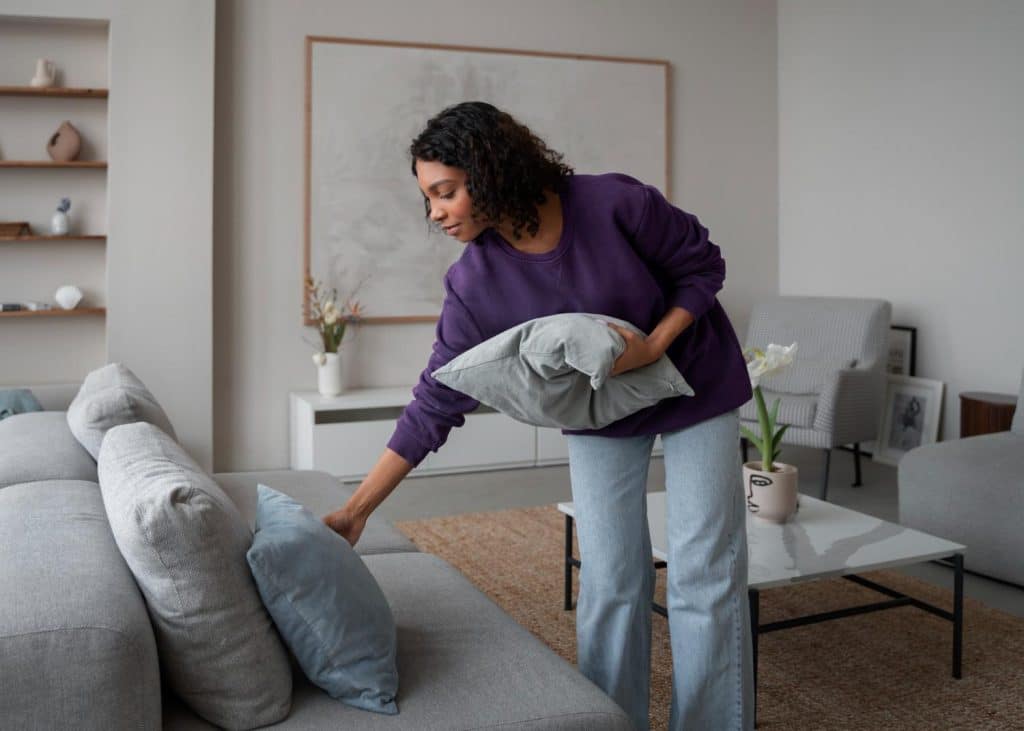
Homeowners today are redefining what it means for a living space to genuinely support their daily lives. Instead of striving for a perfectly staged home, many are seeking environments that feel calmer, more intuitive, and easier to manage from day to day. This shift shows up in small decisions: how people streamline routines, how they think about comfort, and how they simplify the constant background tasks that come with maintaining a home. In the middle of that process, people often check everyday things like SweepScrub while looking for ways to make upkeep feel less demanding, and those small adjustments can quietly influence how balanced a home feels overall. The focus now is on creating spaces that not only look welcoming but allow homeowners to move through their day with more ease.
Homes That Help Reduce Daily Friction
Across the country, homeowners are reevaluating how their space either contributes to or alleviates stress. According to long-term well-being analysis from the Centers for Disease Control and Prevention, small environmental stressors accumulate throughout the day and can impact overall mental clarity and mood. This has pushed many people to rethink floor plans, storage, and traffic flow within their homes.
Instead of designing around trends, they are designing around daily patterns. Clear pathways, intuitive organization, and adaptable layouts help reduce the “micro-frictions” that slow people down. Whether someone works from home, manages a busy family schedule, or simply wants smoother mornings, they’re looking for a space that eliminates unnecessary effort. A home that flows naturally doesn’t just feel better, it functions better.
Stress Reduction as a Design Priority
More than ever, people want homes that support emotional ease. This has led to a rise in design choices rooted in calm, comfort, and sensory balance. Natural textures, warm neutrals, layered lighting, and quiet corners are becoming household staples. These aren’t decorative choices so much as lifestyle ones.
Homeowners are discovering that when their environment feels orderly and predictable, their minds follow suit. Removing visual noise, creating designated spaces for rest, and minimizing clutter all contribute to a sense of stability. This is why many describe their ideal home not as an impressive showpiece but as a personal retreat.
Convenience Becomes a Foundation, Not a Luxury
Convenience has taken on a new meaning in modern life. It’s not about shortcuts or high-tech gadgets, it’s about reclaiming time. With work, family, and personal commitments frequently overlapping, homeowners want spaces that reduce the amount of effort required to maintain them.
This mindset influences everything from materials to layout. People gravitate toward surfaces that are durable and low-maintenance, rooms that transition easily between work and relaxation, and routines that simplify care instead of complicating it. Even small efficiency gains, such as optimizing storage or choosing tools that make upkeep faster, contribute to a noticeable improvement in daily life.
Convenience today is less about indulgence and more about reducing overwhelm. A home that supports this rhythm becomes a stabilizing force rather than another obligation.
Personalization That Goes Beyond Aesthetics
Modern personalization isn’t about bold paint colors or accent walls, it’s about designing a home that reflects how someone actually lives. Homeowners want spaces that nurture their interests, energy levels, and routines.
For creators, that might mean a compact workstation that encourages daily practice. For families, a living room that shifts easily between playtime and evening relaxation. For those focused on well-being, a quiet corner for reading, stretching, or grounding after a busy day.
This shift toward functional personalization creates homes that feel emotionally aligned with their owners. When a space supports someone’s real habits rather than their aspirational ones, it becomes a source of comfort rather than pressure.
A Renewed Focus on Durability and Long-Term Value
Durability has become one of the most appealing qualities in modern home design. Many homeowners are moving away from quick fixes and frequent replacements, opting instead for choices that age gracefully and require less attention.
This interest ties closely to sustainable living trends, but it also reflects a desire for predictability. When a home’s features hold up over time, daily routines feel smoother and more reliable. People want materials that resist wear, furnishings that adapt to new phases of life, and tools that provide consistency without adding to the mental load.
Longevity, in this sense, is a form of emotional security. The fewer things homeowners need to worry about, the freer they feel to enjoy the space they’ve built.
Comfort as the New Expression of Luxury
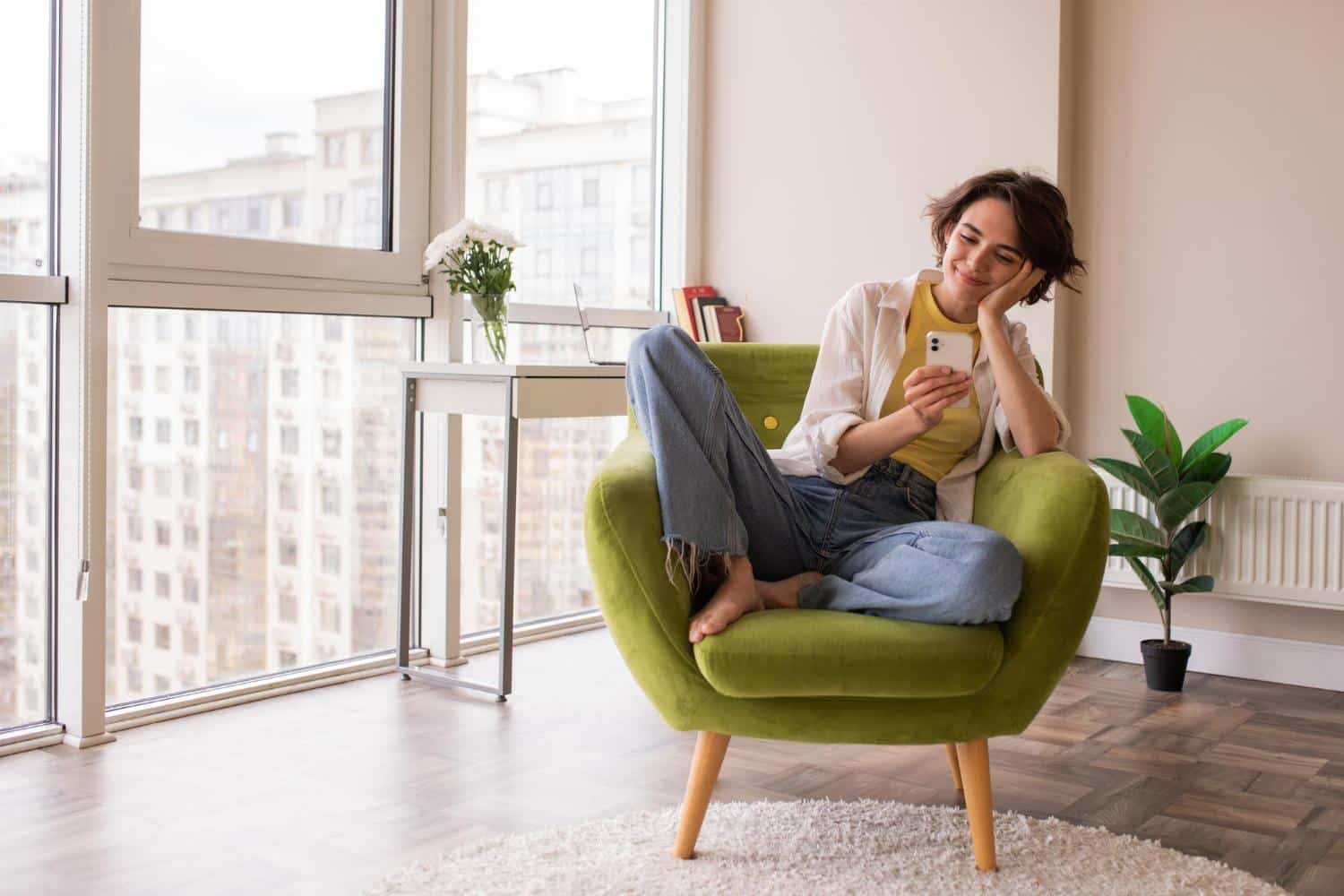
A striking evolution in home preferences is the rise of comfort as the ultimate form of luxury. Instead of dramatic, highly stylized rooms, people are leaning toward soft textures, ergonomic seating, gentle lighting, and spaces that encourage unwinding.
Comfort isn’t performative, it’s practical. It’s the feeling of walking into a room and immediately sensing relief. It’s the way a space invites someone to slow down after a demanding day. Whether someone lives in a compact apartment or a large home, comfort is increasingly seen as the clearest indicator that the space is genuinely loved.
The CDC notes that environments that reduce sensory overload contribute to healthier sleep patterns and overall well-being, which reinforces why comfort-centered design resonates so widely.
The Home as a Partner in Well-Being
As the idea of home continues to evolve, one theme stands out: people want spaces that support the whole person. That includes time management, stress reduction, emotional grounding, and the freedom to enjoy simple moments. It’s no longer enough for a home to look organized, it must help people feel organized.
This shift explains why homeowners gravitate toward tools, layouts, and routines that make daily life smoother. It’s also why subtle efficiencies, such as discovering practical solutions through platforms like SweepScrub while planning upgrades or reorganizing routines, fit seamlessly into this mindset. They’re part of a broader desire for a space that feels effortless to live in.
What today’s homeowners want is surprisingly simple: a living space that gives back more than it takes. A home that saves time, reduces stress, and nurtures comfort isn’t just a place to live, it’s a place that helps life feel a little lighter, every single day.