

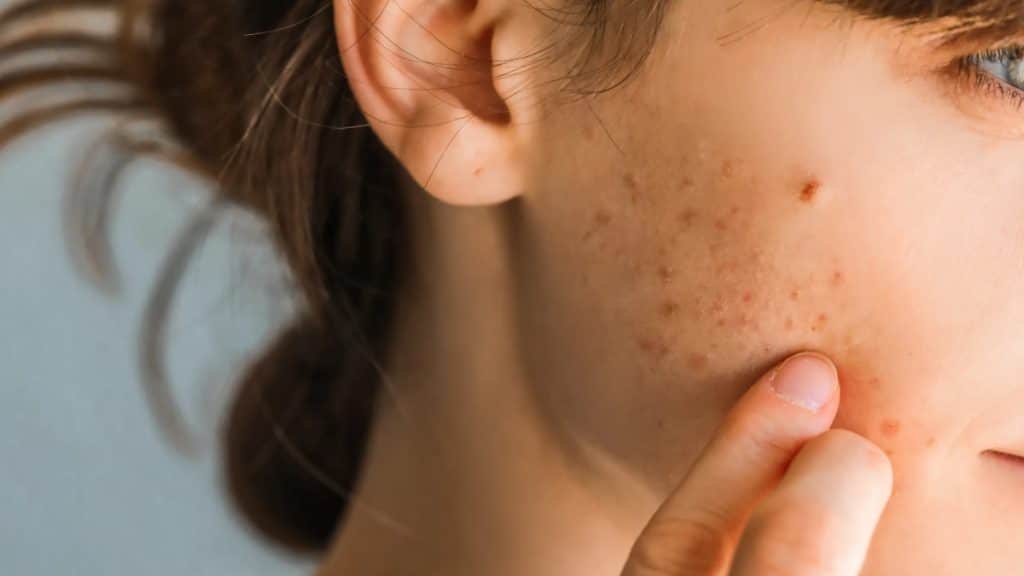
Dealing with acne can be frustrating, especially when you’re doing everything right but still seeing breakouts. Many people experience worsening acne despite following skincare routines carefully.
This happens because acne has multiple causes beyond just surface cleanliness.
Your persistent acne might be caused by hormones, stress, genetics, or even certain ingredients in your skincare products that your skin doesn’t respond well to. Understanding these hidden triggers is the first step toward finding effective treatment for both active breakouts and existing acne scars.
For those concerned about acne scars, it’s important to address the ongoing breakouts first. Continual inflammation can lead to more scarring, creating a cycle that’s difficult to break without professional guidance.
Many successful treatments exist for both controlling acne and reducing the appearance of scars.
Understanding Acne and Its Worsening Factors
Acne develops when oil glands and hair follicles become clogged with oil, dead skin cells, and bacteria.
Despite diligent skincare routines, several factors can cause acne to worsen or persist, including hormonal changes, stress, and improper product selection.
Types of Acne and Identifying Your Condition
Acne manifests in several forms, each requiring different approaches for treatment:
- Comedones: Non-inflammatory acne including blackheads (open comedones) and whiteheads (closed comedones)
- Inflammatory Acne: Papules and pustules, which appear as red, tender bumps
- Severe Acne: Nodules and cysts that form deep under the skin
Blackheads occur when plugged hair follicles open at the skin’s surface, allowing oxygen to turn the plug black. Whiteheads form when follicles remain closed.
Cystic and nodular acne are the most severe forms, developing deeper within the skin and often causing scarring. These types typically require professional medical treatment rather than over-the-counter solutions.
Identifying your specific acne type helps determine the most effective treatment approach.
Common Reasons for Persistent Acne
Hormonal fluctuations significantly impact acne development. Androgens stimulate sebaceous glands to produce more oil, leading to clogged pores and breakouts.
Key factors behind persistent acne:
| Factor | How It Affects Acne |
| Hormones | Increase oil production during puberty, menstruation, pregnancy |
| Genetics | Family history can predispose you to acne |
| Medication | Corticosteroids, hormonal treatments, and certain drugs can trigger breakouts |
| Improper Products | Using comedogenic products clogs pores |
Over-washing or using harsh products can irritate skin and worsen inflammation. This creates a cycle where irritation leads to more breakouts, prompting more aggressive cleansing.
Your skin might also develop resistance to previously effective treatments over time.
External Factors and Lifestyle Influences
Diet plays a significant role in skin health. Foods with high glycemic index, dairy products, and excessive sugar consumption may trigger or worsen acne in some people.
Stress increases hormone production, particularly cortisol and androgens, which stimulate sebaceous glands to produce more oil. Establishing stress management techniques can help reduce breakouts.
Environmental factors also affect acne:
- Humidity causes increased sweating and oil production
- Pollution exposes skin to irritants and free radicals
- Seasonal changes require adjustments to skincare routines
Summer often worsens acne as heat and humidity increase oil production. Winter can cause dryness, prompting skin to overproduce oil as compensation.
Touching your face transfers bacteria from hands to skin, potentially worsening inflammation and causing new breakouts.
Effective Strategies for Acne and Scar Treatment
Finding the right approach to treat acne and its scars requires understanding available options. Modern treatments range from daily medications to professional procedures, each targeting different aspects of skin healing.
Conventional Acne Treatment and Medications
Topical treatments form the foundation of most acne regimens. Benzoyl peroxide works by killing bacteria and reducing inflammation, while salicylic acid helps unclog pores by exfoliating skin cells. These ingredients are available in various strengths and formulations.
Prescription options offer stronger solutions when over-the-counter products aren’t enough. Retinoids like tretinoin accelerate cell turnover and prevent clogged pores. For inflammatory acne, topical or oral antibiotics may help reduce bacteria and inflammation.
Hormonal therapies can be effective for women whose acne flares with hormonal fluctuations. Birth control pills or anti-androgen medications might be prescribed in these cases.
Consistency is crucial with these treatments. Most require 6-8 weeks before showing significant improvement, and stopping too soon can lead to relapse.
Advanced Solutions for Acne Scarring
Professional procedures provide more dramatic results for established scars.
Laser resurfacing uses focused light to remove damaged skin layers and stimulate collagen production. This works especially well for atrophic scars that appear as depressions in the skin.
Chemical peels apply acids at various strengths to exfoliate damaged skin. Superficial peels treat mild discoloration, while deeper peels address more significant scarring.
For deeper scars, microneedling creates tiny punctures that trigger the skin’s healing response. This increases collagen production in targeted areas. Often, professionals combine it with radiofrequency for enhanced results.
Dermal fillers temporarily fill depressed scars by injecting substances like hyaluronic acid. These treatments particularly help with rolling scars and provide immediate improvement.
Innovative Treatments and At-Home Care
Combination approaches often yield the best results when treating acne scar removal. Niacinamide serums are particularly effective as they reduce inflammation and help fade hyperpigmentation when used consistently. This vitamin B3 derivative works well alongside conventional treatments, making it a staple in many skincare routines. Silicone gel sheets or patches can be beneficial for those dealing with raised scars like hypertrophic or keloid scars. These work through occlusion and pressure, gradually softening scar tissue over time. While at-home treatments can be helpful, visiting a dermatologist can provide personalized recommendations and advanced treatment options for the best results.
At-home devices have also become more sophisticated, offering accessible treatments for acne scars. LED light therapy masks deliver blue light to kill acne-causing bacteria and red light to reduce inflammation, while handheld microcurrent devices may aid in tissue repair and collagen production, promoting skin healing. Regardless of the treatment approach, sun protection is non-negotiable. UV exposure can darken hyperpigmentation and worsen scarring, making daily SPF 30+ application essential to prevent post-inflammatory hyperpigmentation from becoming permanent.