

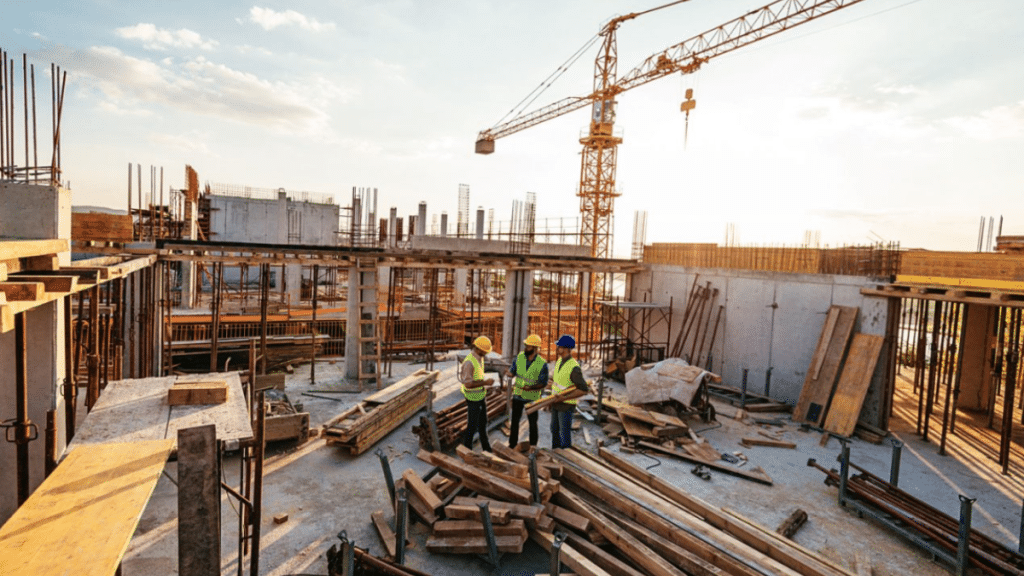
Sustainability in construction is no longer a fringe priority—it has become central to urban development across the globe. As governments and developers alike respond to the escalating effects of climate change, the demand for eco-friendly building materials and responsible development practices is accelerating. Key to this shift is the framework of regulations and certifications governing what materials are considered environmentally sound.
In large-scale, master-planned communities that span multiple phases of construction, aligning with green standards has become a practical necessity. A prime example is Pickering City Centre Condos, where development strategies emphasize responsible land use, energy efficiency, and the integration of environmentally sound materials across thousands of new units. For developers to meet evolving expectations and legal requirements, understanding which authorities regulate sustainable building materials is crucial.
International and National Standards
Globally, agencies like the International Code Council (ICC) and ISO (International Organization for Standardization) create and enforce protocols for green construction. ISO 21930, for example, outlines environmental declarations for building materials. These frameworks ensure consistency and accountability in how sustainability claims are verified and reported across markets.
In Canada, the Canadian Standards Association (CSA) is instrumental in developing building codes that encourage the use of materials with lower environmental impact. Alongside CSA, the National Research Council (NRC) supports the National Building Code of Canada, which includes energy performance requirements influencing material selection.
Provincial Oversight and Incentives
At the provincial level, regulatory bodies may introduce additional requirements or incentives. In Ontario, the Ministry of Municipal Affairs and Housing can propose updates to the Ontario Building Code, which sets out minimum standards for material performance and energy efficiency. These standards directly affect how developers source construction inputs for new projects.
Green development strategies often leverage incentive programs such as the High Performance New Construction (HPNC) program. This initiative, run in partnership with local utilities, offers financial incentives to developers who exceed baseline energy efficiency metrics. In turn, developers opt for advanced insulation, recycled concrete, low-emission adhesives, and FSC-certified wood.
Third-Party Certifications and Their Role
Certifications serve a dual purpose: they verify compliance with sustainability goals and offer an independent validation mechanism that builds trust among buyers and regulators. Projects that pursue third-party certifications are often eligible for local incentives, density bonuses, or expedited permitting, providing a financial edge to developers willing to invest in higher-quality materials and practices.
Beyond government mandates, third-party certifications also help enforce material standards. The Leadership in Energy and Environmental Design (LEED) program is a widely recognized framework that assesses the environmental performance of buildings. LEED credits are awarded for using sustainable materials, reducing construction waste, and improving indoor air quality.
Other notable certifications include Green Globes and BOMA BEST, both of which evaluate the use of sustainable products and practices during construction and operations. These systems promote transparency and offer measurable benchmarks that help builders differentiate their projects in a competitive housing market.
Municipal Guidelines and Local Bylaws
Municipalities are also integrating sustainability goals into broader urban planning initiatives. This includes adopting energy benchmarking ordinances, mandating green roofs, and offering tax abatements or fee waivers for projects that meet eco-design targets. These local regulations reinforce the push toward using sustainable materials and help align construction practices with regional climate resilience goals.
Many cities have developed their own environmental bylaws, requiring or encouraging the use of green materials in new construction. Municipal green building standards often apply to public developments but are increasingly influencing private-sector projects, especially those seeking zoning approvals or public-private partnership incentives.
Municipalities may also create green development checklists that builders must follow when submitting planning applications. These checklists assess energy usage, stormwater management, and the materials incorporated into the build, aligning local efforts with broader climate goals.
Conclusion
The path to sustainable construction is shaped by a diverse ecosystem of global protocols, national codes, provincial standards, and municipal mandates. Developers aiming to future-proof their projects must stay informed and adaptable to these evolving requirements. Understanding and aligning with regulatory authorities not only helps achieve compliance but also builds long-term value and resilience into real estate investments.