

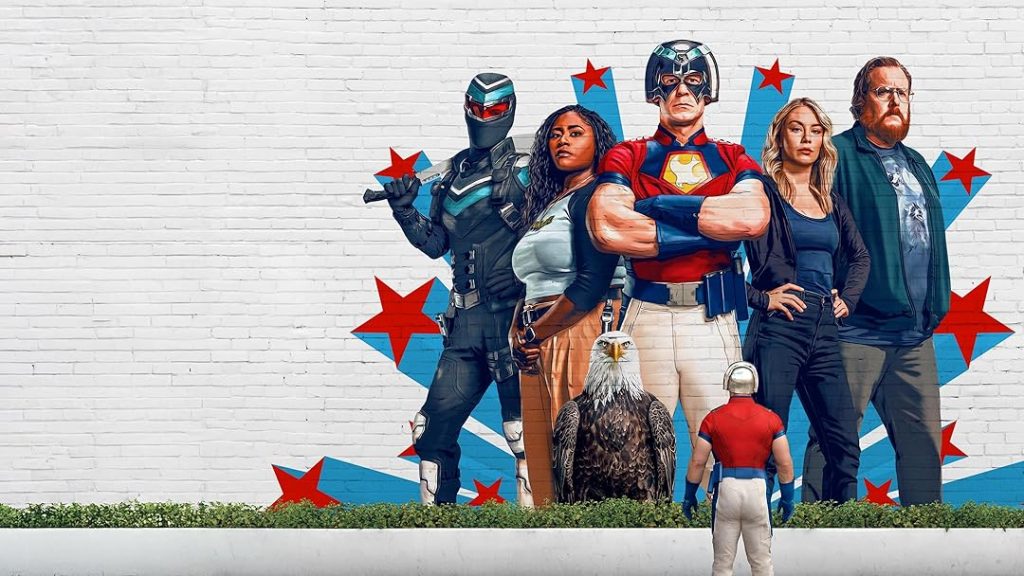
We’ve all wondered: “If I’d turned left instead of right, where would I be?” Peacemaker Season 2 adopts this “Sliding Doors” approach. As the old movie universe shifts into the new DCU, Chris Smith isn’t just fighting villains; he’s navigating a heartbreaking study on the man he could have become (Peacemaker Season 2).
How James Gunn Uses ‘Soft Resets’ to Fix the DC Timeline
James Gunn’s approach to the new DC Universe (DCU) works less like erasing a hard drive and more like a massive operating system update. You keep the files you actually care about—the characters and their relationships—but the glitchy background software gets replaced. This “soft reset” distances the story from disjointed past films without throwing away the emotional progress Chris Smith made in Season 1. It asks the audience to prioritize the feel of the show over the strict logic of the old timeline.
This season represents a fork in the road. While the wider world’s history has shifted, the core elements that made the show a hit remain locked in:
- The Team: Harcourt, Economos, and Vigilante remain his dysfunctional support system.
- The Tone: The raunchy, hair-metal-fueled humor hasn’t gone anywhere.
- The Trauma: Chris is still haunted by killing his father.
That lingering emotional wound is crucial because it makes Chris vulnerable to a new, more dangerous father figure.
Processing Parental Trauma: Why Rick Flag Sr. is the Catalyst
While most superhero villains want to conquer the world, Frank Grillo’s Rick Flag Sr. operates on a motivation that is far more terrifyingly grounded: he simply wants revenge for his son. This shifts the stakes from generic world-ending calamity to a deeply personal vendetta, forcing Peacemaker to finally confront the human cost of his “peace at any cost” mentality. It isn’t just a physical fight; it is a grieving father hunting down the man who murdered his child, making every punch feel heavier than a typical CGI spectacle.
Facing this tangible guilt requires a massive shift in tone, leading to a surprisingly nuanced performance from John Cena. He has played the stoic soldier and the crude jester, but this season demands he play a broken child trapped in a hulk’s body. Cena strips away the character’s bravado to reveal genuine regret, proving that the chrome helmet isn’t just a weapon—it is a hiding place for a man terrified of his own history.
This dynamic creates a mirrored conflict where Chris attempts to escape the shadow of his abusive father only to run headfirst into a “good” father driven mad by grief. Addressing parental trauma serves as the necessary engine for the character’s growth, transforming a simple action-comedy into the emotional bedrock for the new universe.
Your Guide to the New DCU Foundation
The new stakes render complex plot summaries unnecessary; simply embracing the emotional reset works best. To fully grasp the foundation of this new world:
- Watch the opening “Sliding Doors” explanation scene closely.
- Track how Chris’s relationship with Adebayo shifts in this timeline.
- Look for “Gods and Monsters” Easter eggs embedded in the background.
This season proves the new creative direction is about character rather than just continuity. It forces us to ask: Can a man who fights in his underwear really deliver the most emotional performance of the year? When the answer is yes, you know the new universe is worth watching.