

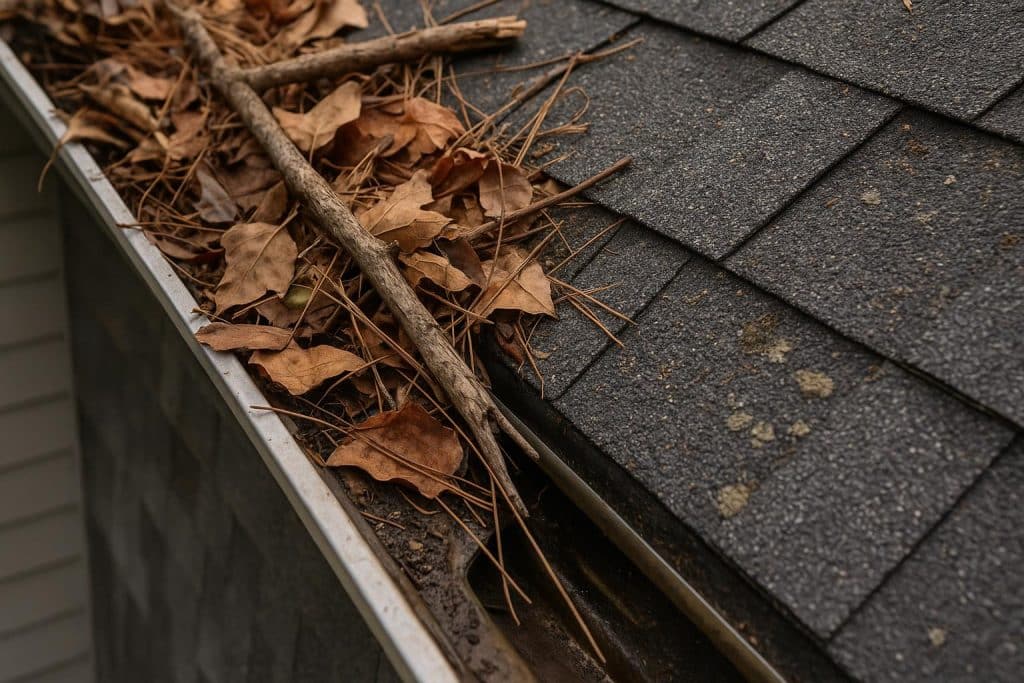
A roof does not usually wear out all at once. In many cases, the decline starts with ordinary buildup that seems easy to ignore. Leaves settle into valleys, small twigs collect near edges, and gutters begin to hold water instead of moving it away. Over time, that debris changes how moisture moves across the surface, and that shift can shorten the life of shingles, flashing, underlayment, and the wood beneath them. Homeowners who schedule roofing services provo often do so after seeing a leak or overflow, but the real problem often starts much earlier.
Tree debris is especially hard on roofing materials because it repeatedly exposes them to moisture in areas that are supposed to dry quickly. A few scattered leaves may not seem serious, but packed valleys and clogged drainage paths can trap water against vulnerable areas for days after a storm. When that cycle repeats through changing temperatures and seasonal weather, materials begin to break down faster than expected.
Why Debris Buildup Causes More Than a Mess
Most people think of leaves and branches as a cleanup issue. On a roof, they are also a drainage issue. Roofing systems are built to shed water in a controlled way. When debris interrupts that path, water slows down, pools, or backs up into seams and edges that were never meant to stay wet for long.
This matters most in roof valleys, behind penetrations, and along edges where runoff is concentrated. A layer of wet leaves can hold moisture against shingles and flashing. Small branch fragments can block the opening into gutters. Needles and seed pods can create a dense mat that keeps surfaces damp even after the weather clears. That constant exposure wears away the protective margin a roof depends on.
The problem is not only what lies on the surface. Trapped moisture can work below the outer layer. Once that happens, underlayment may begin to weaken, roof decking can absorb water, and fasteners may lose their hold more quickly than they should.
The Effect on Shingles and Surface Materials
Shingles are designed to handle rain, sunlight, and temperature changes, but they perform best when they can dry out between weather events. Debris buildup interferes with that process. When moisture remains in contact with the surface for too long, shingles can start to age unevenly.
Granule loss is one sign of this wear. The protective surface begins to loosen, which leaves the material more exposed to sunlight and weather. Edges may curl sooner. Older shingles may become brittle. In shaded areas where debris tends to collect, deterioration can be more noticeable because the roof stays damp longer and dries more slowly.
Branches create a different kind of damage. Even light contact can scrape away the outer surface over time. Repeated rubbing in the wind can wear through protective layers and create weak spots that do not stand out against the ground. A roof can look mostly intact while still losing years of service life in the areas that face the most friction and debris.
Why Gutters and Drainage Paths Matter So Much
A roof does not work alone. Gutters and downspouts are part of the drainage system, and when they are blocked, water has nowhere to go. Instead of moving off the roof, it lingers at the edge, spills over in the wrong places, or backs up beneath shingles.
This kind of overflow often affects fascia boards, soffits, and lower edge materials first. Those areas may stay wet long after the rain stops. Once moisture enters surrounding wood components, repairs can extend beyond the roof covering itself. What began as a gutter clog can become a more involved issue involving trim, sheathing, and interior staining.
Clogged drainage also increases stress during colder weather. Water that cannot drain properly may refreeze at the edges, creating additional pressure in already vulnerable spots. That repeated cycle of melting and freezing can widen small openings and accelerate wear along seams and transitions.
Hidden Damage Below the Surface
One reason debris related damage is often missed is that the visible mess does not always match the actual condition below it. Homeowners may clear off branches after a storm and assume the problem is solved. But if moisture has already been sitting beneath a clogged section, damage may continue to develop out of sight.
Roof decking can soften gradually. Underlayment can lose effectiveness after repeated saturation. Flashing around penetrations may begin to separate if water keeps collecting nearby. By the time a ceiling stain appears indoors, the source may have been active for much longer than expected.
This is why surface cleanup alone is not always enough. If a roof has had repeated overflow, packed valleys, or tree contact, it makes sense to look beyond the visible debris and assess whether moisture has already affected the layers underneath.
Warning Signs That Debris Is Shortening Roof Life
Some signs are obvious, while others are easy to dismiss. Overflowing gutters during rain are one of the clearest warnings. Water stains along the exterior trim can indicate repeated backing up at the edge. Granules collecting in gutters may suggest faster surface wear. Mossy or dark, damp patches can indicate areas that stay wet for too long.
Inside the home, subtle attic moisture, musty odors, or small stains near the ceiling line may point to drainage problems above. Outside, branches touching the roof, heavy leaf accumulation in valleys, and sections of gutter pulling away from the roofline all deserve attention.
Even when there is no active leak, these signs suggest the roofing system is under stress. That is often the point when maintenance or inspection can prevent a far more expensive repair later.
What Homeowners Can Do to Reduce the Risk
The most effective step is consistency. Debris should be removed before it has the chance to stay wet and compact in place. Gutters and downspouts should be kept clear so runoff can move freely. Overhanging branches should be trimmed back to reduce abrasion and limit the amount of material that lands on the roof during storms and seasonal shedding.
Inspections are also important, especially after heavy wind or periods of buildup. A professional can check whether water has already affected flashing, underlayment, roof edges, or decking. In many cases, the goal is not just to clean the roof but to catch the early signs of wear before they spread.
That is where roofing services provo can make a difference. A good inspection focuses on drainage patterns, debris traps, and the condition of materials in high stress areas, not just on whether shingles are missing.
Conclusion
Tree debris and clogged drainage paths shorten material lifespan by altering how a roof handles water. Instead of shedding moisture quickly, the system begins to hold it in the places that matter most. That extra exposure can wear down shingles, weaken flashing, damage wood components, and create hidden problems below the surface.
What makes this issue costly is how ordinary it looks at first. A few leaves in a valley or a gutter full of twigs may not seem urgent, but repeated moisture exposure quietly adds up. Addressing buildup early, keeping drainage clear, and watching for subtle warning signs can help protect the roof from premature aging and avoid more involved repairs later.