

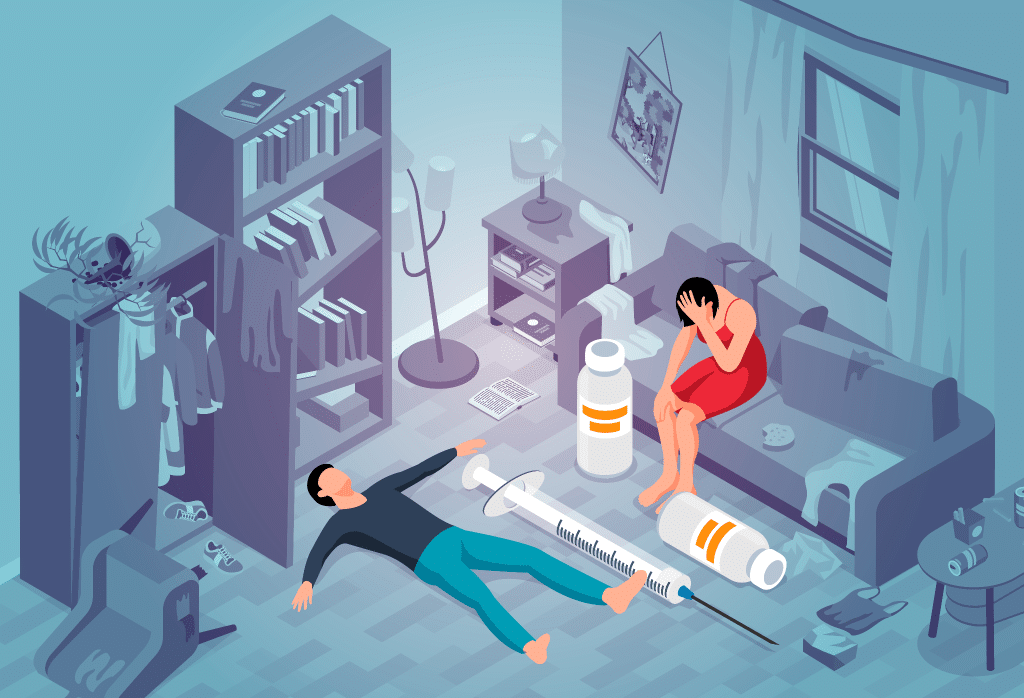
Methamphetamine addiction is one of the most difficult substance use disorders to recover from without structured professional support. The drug produces rapid and severe changes to brain chemistry that make cravings intense, withdrawal uncomfortable, and the risk of relapse high in the early stages of recovery.
Inpatient rehabilitation provides the structure, medical oversight, and therapeutic support that most people cannot replicate in an outpatient or self-managed setting. For those with a significant dependence, it is often the difference between a recovery attempt that sticks and one that does not.
What Methamphetamine Does to the Brain
Understanding why meth addiction is particularly difficult to overcome starts with how the drug affects the brain’s reward system.
Methamphetamine causes a flood of dopamine release that is far beyond what any natural reward produces. Over time, the brain adjusts by reducing its own dopamine production and receptor sensitivity. This leaves the person in a baseline state of low mood, low motivation, and low capacity for pleasure that can persist for months after stopping use.
This is the neurological basis of post-acute withdrawal, the period after the initial physical withdrawal that is characterised by depression, anhedonia, cognitive difficulties, and intense cravings triggered by environmental cues. It is during this period that relapse risk is highest and where structured inpatient support provides the most value.
What Inpatient Rehab Provides That Outpatient Cannot
Inpatient rehabilitation removes a person from the environment where their drug use occurred and places them in a controlled, substance-free setting for the duration of treatment.
This removal from triggers is not incidental. Environmental cues, the people, places, and situations associated with past use, are among the most powerful drivers of relapse in early recovery. Addressing the psychological and behavioural dimensions of addiction while the person remains exposed to those cues is significantly harder than doing so in a contained environment.
Inpatient programmes also provide 24-hour clinical monitoring during the withdrawal phase, which for methamphetamine can involve severe psychological symptoms including paranoia, psychosis, and suicidal ideation in some cases. Having clinical staff available around the clock reduces the risk that these symptoms escalate without appropriate intervention.
The Structure of a Residential Treatment Programme

A well-structured inpatient programme for methamphetamine addiction typically runs for 28 to 90 days depending on the severity of dependence and the individual’s clinical needs.
The first phase focuses on medical stabilisation and withdrawal management. The second phase moves into structured therapeutic programming including individual counselling, group therapy, psychoeducation about addiction and recovery, and skills development for managing cravings and triggers.
The final phase before discharge focuses on aftercare planning. This includes identifying outpatient support services, building a relapse prevention plan, and reconnecting with prosocial supports that will be important once the person returns to their community.
For people in Victoria, specialist residential programmes offering structured withdrawal management and evidence-based therapeutic support are available through dedicated services. Those seeking crystal meth rehab centres in Melbourne can access clinical assessment and placement through services that specialise in methamphetamine dependence and understand the specific neurological and psychological challenges involved in recovery from this substance.
Therapies Used in Meth Addiction Treatment
Cognitive behavioural therapy is the most extensively researched psychological treatment for methamphetamine addiction, with a strong evidence base for reducing use and supporting sustained abstinence.
CBT addresses the thought patterns and behavioural responses that maintain drug use, and teaches practical skills for identifying and managing high-risk situations. It is typically delivered in both individual and group formats within a residential programme.
Motivational interviewing is used to strengthen the person’s own reasons for change and address ambivalence about recovery, which is common and normal at the beginning of treatment.
Contingency management, a structured reward-based approach that reinforces drug-free behaviour through tangible incentives, has shown particularly strong outcomes in methamphetamine treatment settings and is increasingly incorporated into Australian residential programmes.
The Role of Family and Social Support
Methamphetamine addiction typically causes significant damage to relationships, and the recovery process benefits from repairing those connections where it is safe and appropriate to do so.
Many residential programmes include family sessions or family therapy as part of the treatment plan. Education for family members about the nature of addiction, the recovery process, and how to provide support without enabling continued use strengthens the social environment the person returns to after discharge.
Aftercare participation, including ongoing individual counselling, peer support groups, and regular check-ins with a case manager, significantly improves long-term outcomes. The inpatient phase of treatment is the beginning of recovery, not the entirety of it.
What Recovery Actually Looks Like
Recovery from methamphetamine addiction is a long-term process measured in months and years, not days or weeks.
Most people experience setbacks during recovery, and a single relapse does not invalidate progress or signal that treatment has failed. What matters is the overall trajectory and whether the person has the support and skills to respond to setbacks without returning to sustained use.
Inpatient rehab provides the foundation. The work that follows it determines the outcome.