

A good lawn mower isn’t cheap, whether it sits in a suburban garage or rides on a commercial trailer. Still, a surprising number of owners treat service as an afterthought until something breaks. That approach almost always leads to higher bills and a shorter equipment lifespan. With the right supplies and a consistent schedule, most mowers can run reliably for years beyond what neglect would allow. Here’s a closer look at how proper maintenance kits make that possible.
Why Routine Mower Care Matters More Than Most Owners Realize
Small engines are remarkably tough, but they aren’t invincible. Dust clogs filters, oil thins out under sustained heat, and spark plugs gradually lose their firing edge. Each worn component adds strain to the engine, which translates into higher fuel consumption and faster internal deterioration. The problems tend to compound quietly until something fails outright.
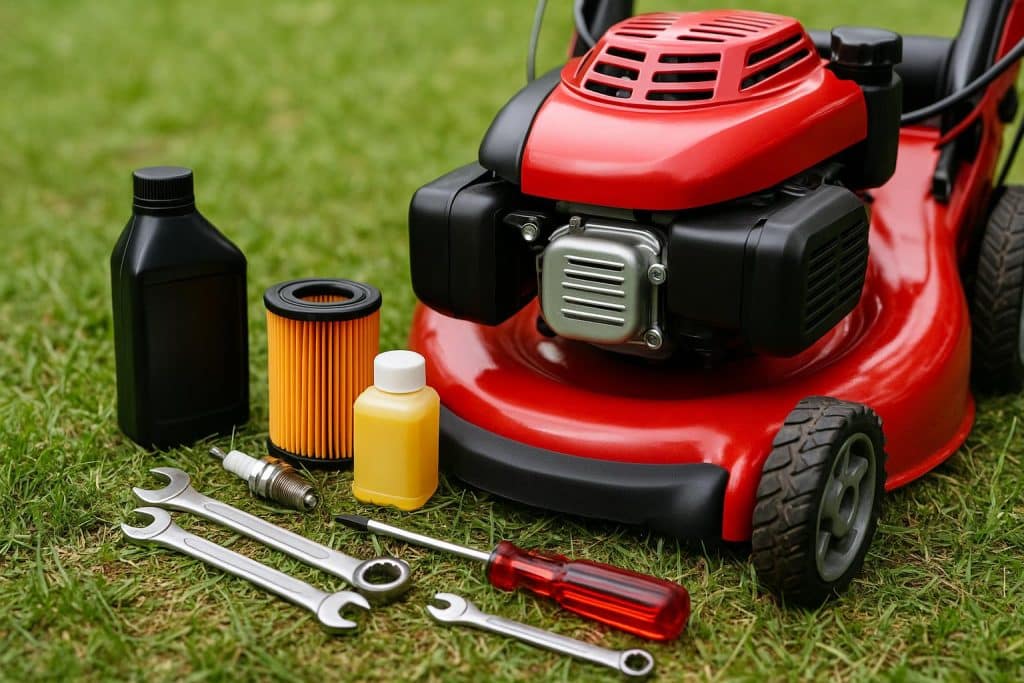
That’s where bundled service kits earn their value. A well-matched John Deere maintenance kit pairs the correct oil filters, air filters, fuel filters, spark plugs, and engine oil in a single package. Everything arrives together, so nothing slips through the cracks during a tune-up. Part compatibility is already sorted out, which removes one of the more common sources of owner error.
Key Components That Protect Engine Health
Oil and Oil Filters
Engine oil does three jobs at once: it lubricates, cools, and carries contaminants away from moving surfaces. As hours accumulate, the oil breaks down and fills with fine metal particles. Running degraded oil raises operating temperatures and accelerates wear on bearings and cylinder walls. Swapping both the oil and filter on schedule keeps those internal surfaces clean and properly shielded.
Air Filtration
Mowers work in some of the dirtiest conditions any small engine faces. Grass clippings, pollen, and fine soil particles all get pulled toward the carburetor intake. A saturated air filter chokes off airflow, creating an overly rich fuel mixture that wastes gas and leaves carbon buildup behind. A fresh filter restores the correct air-to-fuel balance and helps the engine breathe the way it was designed to.
Spark Plugs
A fouled or eroded plug produces weak, inconsistent ignition. The result is rough idling, difficult cold starts, and incomplete combustion. Replacing this inexpensive part restores crisp firing and contributes to cleaner exhaust. Most manufacturers recommend replacing the plug after every 100 operating hours or once per season, whichever comes first.
How Preventive Services Reduce Long-Term Costs
Waiting for something to fail is nearly always the more expensive path. A seized engine from neglected oil changes can easily cost hundreds of dollars to rebuild. A gummed-up carburetor from a blocked fuel filter often requires full disassembly and cleaning. Those repair bills add up fast, and they dwarf the modest price of a seasonal parts package.
Industry data from equipment trade groups indicates that well-serviced small engines outlast neglected ones by roughly 50%. Spreading a small annual parts cost across several additional years of reliable performance brings the true ownership cost down considerably. Prevention pays for itself many times over.
Best Practices for Using a Maintenance Kit Effectively
Follow the Manufacturer’s Schedule
Every mower ships with a service timeline tied to operating hours. Adhering to those intervals, rather than relying on feel, ensures each component is replaced before it falls below safe performance thresholds.
Store Supplies Properly
Filters, plugs, and oil belong in a cool, dry space away from direct sunlight. Rubber gaskets and seals on filter housings can crack or warp in excessive heat, reducing effectiveness before the parts are even installed. Good storage habits preserve part quality right up until service day.
Document Every Service
A simple log of dates, hours, and replaced items helps spot recurring problems early. This record also adds resale value; buyers consistently pay more for equipment backed by a verified service history.
Seasonal Preparation Tips
Before the first spring cut, a full kit changes the mower for peak warm-season performance. At the close of autumn, replacing the oil and stabilizing the fuel system before winter storage guards against internal corrosion and varnish deposits. These two annual touchpoints form the backbone of any solid care routine.
Flushing fresh, stabilized fuel through the carburetor during fall prep also prevents gummed-up jets, one of the leading causes of hard starts the following spring.
Conclusion
Steady, scheduled maintenance is the simplest way to protect a mower investment and sidestep costly emergency repairs. Bundled service kits take the guesswork out of the process by packaging every necessary component together. A few focused hours each season can add years of dependable cutting performance to any machine. Owners who build this habit into their routine will spend less over time, cut more efficiently, and get far more life out of their equipment than the average owner ever does.