

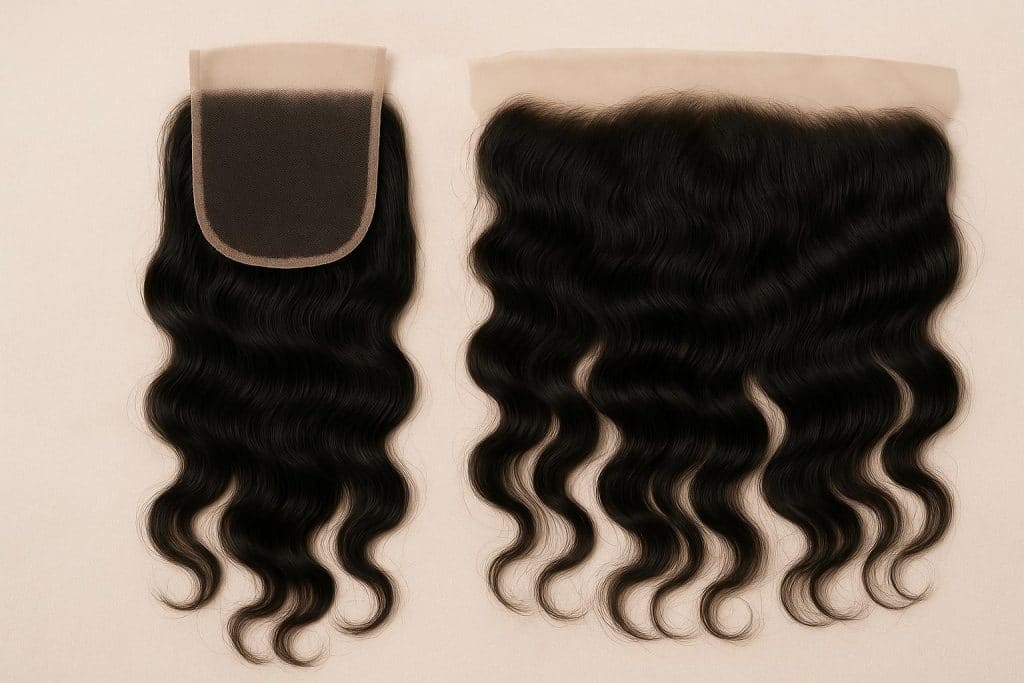
Picking between a closure and a frontal is one of those decisions that trips up even experienced wig wearers. Both create a realistic hairline, yet they handle coverage, upkeep, and durability in very different ways. For anyone who relies on wigs as part of a daily routine, the distinction goes beyond aesthetics. This guide compares the two options across the factors that matter most, from morning prep time to long-term hair health.
How Closures and Frontals Differ in Construction
A closure is a compact lace piece, usually four by four or five by five inches, designed to cover the part area at the crown. A frontal spans the full hairline from ear to ear, measuring roughly thirteen by four inches. That wider coverage opens up more freedom in parting and off-the-face styles. But it also introduces more lace to blend, more adhesive to apply, and a noticeably longer setup each time.
Daily Comfort and Wearability
Comfort becomes the deciding factor for people who wear wigs for eight or more hours a day. Closures sit lighter against the scalp because the lace footprint is smaller. A well-made lace closure wig needs only minimal glue or tape, which keeps scalp irritation low even after weeks of consistent use. Frontals call for adhesive along the entire perimeter of the forehead, and prolonged contact can cause discomfort, especially in warmer weather.
Maintenance Requirements
Time Spent on Installation
A closure install typically runs 15 to 30 minutes, depending on experience. Frontals often push past 45 minutes because the lace has to be cut, melted, and blended precisely along the forehead. Multiply that difference across five mornings, and the time cost becomes hard to ignore.
Upkeep Between Wears
Frontals demand regular adhesive touch-ups and edge blending to stay flat and natural. Closures hold position with far less effort. A properly secured closure can remain intact for 2 to 4 weeks before it needs to be reinstalled. Frontals tend to lift within a few days, particularly near the temples, where perspiration and movement weaken the bond.
Styling Flexibility
This is where frontals pull ahead. Slicking hair into a ponytail, flipping the part, or brushing everything off the face all become options with ear-to-ear lace coverage. Closures restrict styling to the fixed part line. Anyone who wears the same center or side part daily will find a closure more than sufficient. Those who like switching things up throughout the week may prefer the creative range a frontal provides, even with its heavier maintenance load.
Longevity and Cost Efficiency
Closures tend to outlast frontals because they have less lace that faces direct friction, adhesive stripping, and heat exposure. A single closure piece can hold up for six months or longer with careful handling. Frontals usually begin to fray at the hairline after three to four months of regular use. Over the course of a year, fewer replacements add up to real savings on both product and salon costs.
Protection for Natural Hair
Both styles shield natural hair from daily heat and environmental wear. Closures, though, place far less tension on the hairline since they require less pulling and bonding along the edges. Extended frontal use without rest periods can gradually thin the baby hairs and edges. Building in breaks, or alternating between the two styles, helps keep natural growth intact.
Which Option Suits Everyday Wear Best
The right choice comes down to what each person values most in their routine:
- Closures are ideal for those who prioritize quick installation, minimal fuss, and scalp comfort.
- Frontals work better for those who want full styling control and a completely customizable hairline.
Most people who wear wigs daily tend to gravitate toward closures simply because the lower maintenance fits a packed schedule. Frontals still shine for events, content creation, or weeks when variety matters more than convenience.
Conclusion
On a day-to-day basis, closures offer a more practical, sustainable option than frontals. They go on faster, hold up longer, and treat the natural hairline with less stress. Frontals bring undeniable versatility to the table, but the extra effort they require can wear thin over weeks of repeated use. Choosing the style that aligns with personal habits and priorities makes all the difference in feeling confident from morning through evening.