

Introduction
Product consistency is crucial in an industry like plastic and polymer manufacturing. Whether you manufacture PET resin, bottles, films, fibers or engineering polymers, even slight variations in the properties of the molecules can affect the strength, clarity and processability. This is one of the main reasons viscosity testing has taken an important role in quality control.
An intrinsic viscosity tester helps measure polymer chain behavior and molecular properties with greater accuracy. This data helps in raw material control, consistent production and compliance with international norms. Across the packaging, recycling, textile, and resin sectors, advanced IV testing systems are now essential laboratory tools.
Why an Intrinsic Viscosity Tester Matters in Polymer Manufacturing
Intrinsic viscosity (IV) is a common method to measure molecular weight relationships in polymers, particularly PET. It helps manufacturers in knowing the behavior of a material during extrusion, molding, stretching or bottle blowing.
If IV values move outside the normal range, manufacturers may face:
- Reduced tensile strength
- Poor bottle top load performance
- Inconsistent melt flow behavior
- Lower transparency
- Processing instability
- Increased rejection rates
This is why many processors install an intrinsic viscosity meter directly within their QC workflow.
Key Applications of Intrinsic Viscosity Testers in the Plastic Industry
1. PET Resin Quality Control
Manufacturers of PET resin use intrinsic viscosity measurement of PET values to check the quality of polymerization of the batches before releasing them to the consumer. An intrinsic viscosity measurement instrument allows labs to test every batch with confidence, ensuring product consistency and improving trust with consumers.
2. Bottle and Preform Manufacturing
Bottle and preform plants demand smooth raw materials, which are easy to work with and offer consistent strength. Bottles might end up weaker than desired or they might end up failing during transit and filling when the IV values are low. High values may slow processing and make it less effective.
3. Film and Sheet Production
Thermoforming trays, packaging films and industrial liners are some products that use PET sheets and films. Using an intrinsic viscosity tester helps manufacturers maintain stable production conditions and minimize wastage due to irregular material behavior. It also helps in machine setups during grade switches.
4. Fiber and Textile Manufacturing
The manufacturers of PET fiber require stable resin properties to ensure the formation of the yarn, filament strength and uptake of dyes. When IV values continue to vary, spinning efficiency can be decreased, and uniformity of products can be ruined.
5. PET Recycling and rPET Validation
Recycled PET continues to grow across global packaging markets. However, reused material can lose molecular strength through repeated heat history and contamination exposure. IV testing helps manufacturers determine whether recycled flakes or pellets are suitable for high-value reuse.
An intrinsic viscosity testing machine is commonly used to assess rPET quality before blending with virgin resin. This supports sustainable production without compromising product performance.
The 2024 PET Recycling Report published by NAPCOR indicates that in 2024, the PET bottle recycling rate was 30.2% in the US and 264 million pounds of PET bottles were collected in the US and Canada. With the growing volume of recycled materials, the necessity of intrinsic viscosity testing equipment and equipment to certify the quality of rPET prior to its reintroduction into the production process becomes even more important.
6. Injection Molding Applications
Many molded plastic parts require dimensional stability, surface quality, and reliable mechanical performance. Resin condition plays a direct role in mold filling and final part quality. Using intrinsic viscosity testing equipment allows molders to verify raw material consistency before production starts, helping reduce rejects, sink marks, and process variation.
7. Research and Product Development
R&D centers use IV testing when developing new resin grades, recycled blends, lightweight packaging solutions, and specialty polymer formulations. Accurate data helps engineers compare formulations faster and optimize performance. A credible intrinsic viscosity testing device can provide consistent measurements that favor innovation and faster commercialization.
Advanced Intrinsic Viscosity Tester Models Available for Use
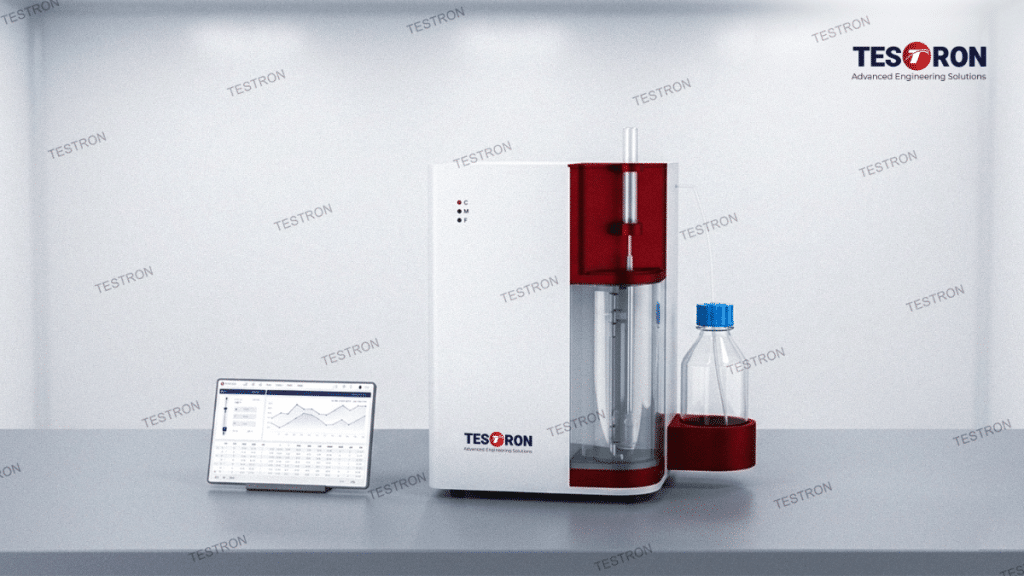
Providers like the Testron Group offer multiple IV testing systems built for industrial requirements.
1. TT-IVS200 Intrinsic Viscosity IV Tester
This model is designed for reliable PET testing laboratories that need consistent IV analysis with dependable repeatability. It is suitable for routine QC operations and production support labs.
2. TT-IVS200V2 Intrinsic Viscosity IV Tester
An upgraded platform developed for higher efficiency and smarter laboratory workflows. It supports modern testing environments requiring faster throughput and simplified operation. Many manufacturers choose this intrinsic viscosity tester for busy PET production plants where accuracy and speed both matter.
3. TT-IVS200 ViscoPlus Intrinsic Viscosity IV Tester
This advanced system is designed to be used in high-quality laboratory conditions with increased usability, automation and data handling capabilities. It is optimal in situations where numerous daily samples need to be handled with little operator intervention. For companies seeking advanced solutions from an experienced intrinsic viscosity tester manufacturer, this model is a strong option.
Benefits of Using an Intrinsic Viscosity Tester in Production Plants
1. Better Batch Consistency
Regular IV testing allows for maintaining the consistency of resin performance across lots.
2. Reduced Material Waste
Early detection of off-spec material will eliminate large-scale rejects and reprocessing expenses.
3. Stronger Final Products
The right molecular properties of the polymer enhance the strength of bottles, film performance and fiber life.
4. Faster Decision Making
Modern digital systems from a reliable intrinsic viscosity tester supplier provide efficient data output for production teams. While comparing various viscosity testing systems, you should not only look at the initial intrinsic viscosity tester price, but also the features as a whole such as service and upkeep, durability and long-term productivity.
Final Thoughts
As plastic and polymer industries shift to more rigorous quality checks, the use of lightweight packaging and a higher percentage of recycled materials, IV testing has become more crucial than ever. Manufacturers are able to control raw materials easily, enhance consistency and produce more powerful products with a dependable intrinsic viscosity tester.
If you want to learn more about viscosity testers or other reliable machines for your business, contact an expert material testing equipment supplier like the Testron Group to get the best products.