

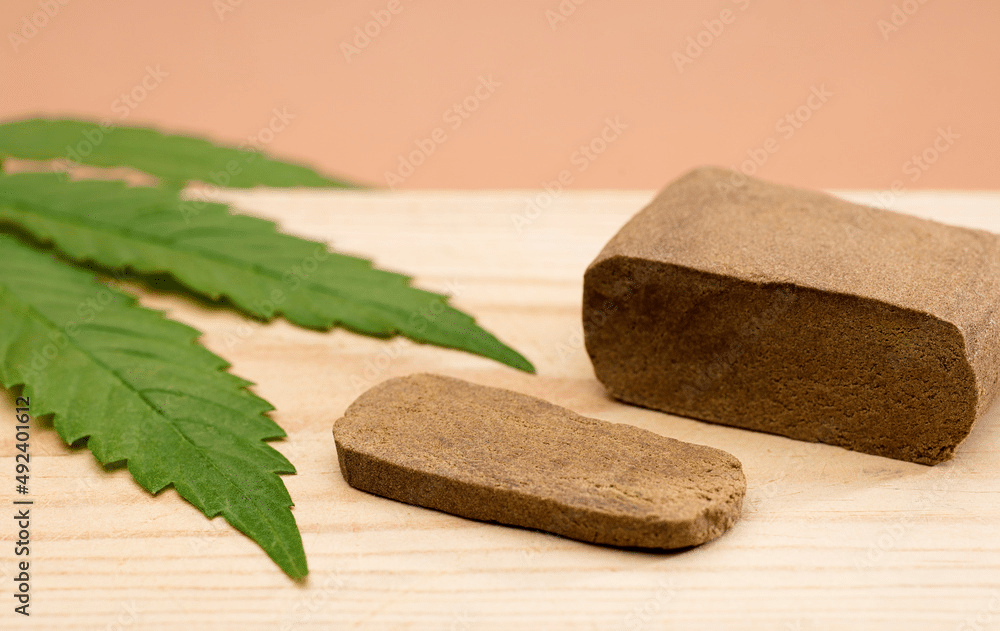
Ask ten people what is hash, and you’ll probably get ten different answers. Some will say it’s just cannabis. Others will call it something stronger or more “processed.” Neither answer is completely wrong — but none of them really explain the full picture.
Hash sits somewhere in between raw plant material and modern concentrates. It’s older than most people think, and at the same time, it still fits into today’s cannabis landscape without feeling outdated.
As the industry grows, even the backend systems evolve — dispensaries now rely on tools like marijuana pos software to keep everything organized and compliant. But before getting into how hash is sold or tracked, it’s worth understanding what it actually is.
Let’s break it down without overcomplicating things.
Understanding What Hash Really Is
At its core, the question what is hash comes down to one thing: resin. Not the plant itself, but the sticky substance it produces.
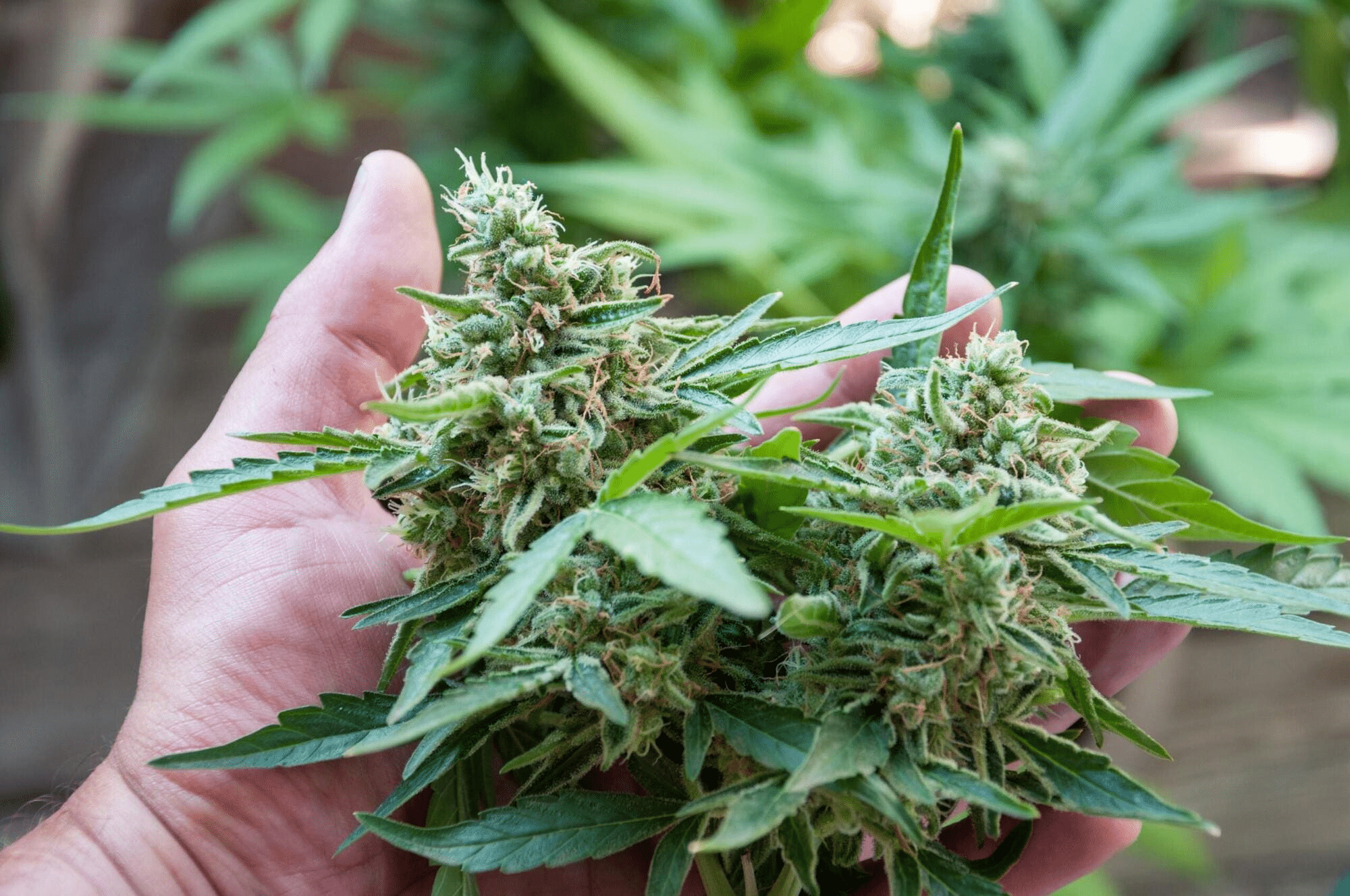
If you’ve ever looked closely at cannabis, you’ve probably noticed tiny crystals covering the surface. Those are trichomes — and that’s where the interesting compounds live. Hash is basically what you get when you collect those crystals and press them together.
The term what is hashish shows up a lot too. It might sound more technical, but it’s just the traditional name. Same product, different wording, often used depending on region or context.
Now, here’s where confusion starts. People often ask what is hash weed, assuming it’s just another type of cannabis. It’s not quite that simple. Regular cannabis (flower) is the whole plant, dried and ready to use. Hash, on the other hand, is what you get after removing and concentrating a specific part of that plant.
That’s why it feels different — not because it’s something entirely new, but because it’s more focused, more condensed.
And despite all the new extracts and products out there, cannabis hash hasn’t disappeared. If anything, it’s still holding its ground, partly because the process behind it is so straightforward.
What Is Hash Made From? Origins and Production Basics
If you strip everything down to basics, hash comes from one thing only: cannabis resin.
This resin forms naturally. The plant produces it as a natural way to protect itself — against heat, light, and even pests. Over time, people realized that this sticky layer wasn’t just there for the plant’s survival — it could be collected and used on its own.
That discovery is what led to hash.
Instead of using the entire plant, producers focus on separating those resin glands. Once collected, they’re pressed together. No complicated chemistry, no synthetic steps — just extraction and compression.
The difference between hash and regular cannabis mostly comes down to density. With flower, everything stays as it is. With hash, you’re isolating the part that carries most of the active compounds and putting it all in one place.
Historically, this process developed in different ways depending on location. In some regions, people worked with dry plants. In others, they used fresh ones. Climate, tradition, and available tools all played a role.
That’s why when people talk about cannabis hash, they’re often referring not just to the product, but to where and how it was made.
Modern techniques have improved consistency, but the idea hasn’t really changed. You’re still taking something small and concentrated — and making it even more so.
What Does Hash Look Like? Types, Colors, and Textures
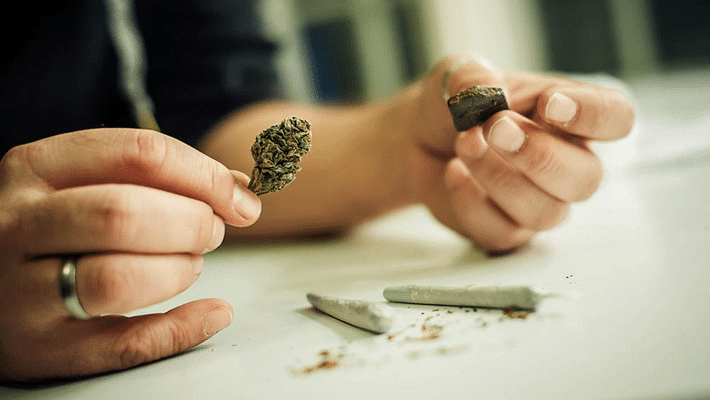
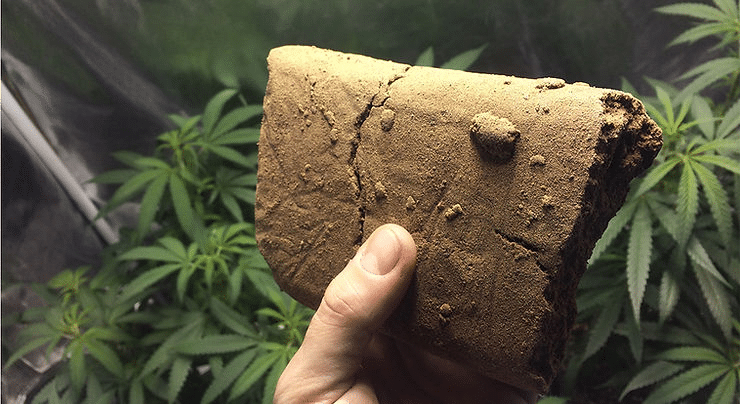
If you’re trying to picture it for the first time, the question what does hash look like doesn’t have a single clean answer.
It’s not like cannabis flower, which is fairly easy to recognize. Hash can look very different depending on how it was made, how it’s stored, and even how old it is.
Sometimes it comes as a solid block. Other times, it’s softer — almost like dough. You might see light brown pieces, deep dark ones, or something in between.
Color alone doesn’t tell the whole story, but it gives clues. Lighter tones usually mean less exposure to air or heat. Darker ones can come from oxidation or traditional processing methods.
Texture is just as important. Some types bend without breaking. Others crumble right away. Neither is automatically “better” — they just reflect different production styles.
Common Types of Hash
- Black hash
Often associated with older, more traditional methods. It usually has a darker outer layer and a softer inside. When warmed slightly, it becomes more pliable. - Commercial hash
Made in larger quantities with consistency in mind. It tends to look uniform but can feel less distinctive compared to smaller-batch products. - Dry sift hash
Produced by separating resin from dried plant material using screens. Before pressing, it looks almost like fine powder. - Bubble hash
Made with ice water and filtration. Typically cleaner in appearance and sometimes lighter in color.
This range is exactly why the phrase what is hash weed can be misleading. There isn’t just one version — there are several, and they don’t all look or feel the same.
How Hash Is Made: Traditional vs Modern Methods
There’s no universal method for making hash. Different approaches lead to different results, and that’s been true for a long time.
Traditional techniques are usually simple in concept but not always easy in practice. In some places, people still collect resin by hand, working directly with fresh plants. It’s slow, but it produces a very specific type of material.
Dry sifting is another method that’s been around for generations. It involves gently breaking down dried cannabis and passing it over fine screens. The resin falls through, while the rest stays behind.
Modern methods aim for more control. Ice water extraction, for example, uses cold temperatures to make resin glands easier to separate. Filtration does the rest. The outcome is often cleaner and more consistent.
Here’s a quick comparison that puts it all side by side:
| Method | What Happens | Result | Key Detail |
|---|---|---|---|
| Hand-pressed | Resin collected directly from plants | Rich, traditional | Requires manual work |
| Dry sift | Resin filtered through screens | Versatile | Depends on screen quality |
| Ice water | Resin separated using cold and filtration | Cleaner | More controlled process |
| Commercial | Large-scale production | Consistent | Focus on volume over uniqueness |
Each of these methods gives a slightly different answer to what is hash. Not in definition, but in how that definition plays out in reality.
Effects and Potency: How Hash Differs from Cannabis
Once you get a basic idea of what is hash, the next thing that usually comes up is how it actually feels compared to regular cannabis. A lot of people expect a simple answer — stronger or not — but it doesn’t really work like that.
Hash is more concentrated, yes. That’s the obvious part. It’s made from resin, so there’s less of the plant itself and more of the compounds people are interested in. But in practice, the difference isn’t just about intensity. It often feels more “condensed,” if that makes sense. Less scattered, more direct.
With cannabis flower, the experience can vary a bit depending on the piece, the structure, even how it was stored. Hash tends to be more consistent, especially when it’s well made. You don’t get as many surprises from one part to another.
At the same time, it’s still the same plant at the core. Nothing fundamentally new is introduced. The form changes, not the origin.
There’s a quote from Dr. Ethan Russo, a neurologist who has studied cannabis for years, that fits here quite well. In an interview with Project CBD, he said: “Cannabis is not a single drug, but a complex mixture of compounds that can produce a wide range of effects depending on their ratios and the individual.” That applies just as much to cannabis hash. The format matters, but what’s inside matters more.
Hash vs Weed: Key Differences Explained
The question what is hash weed pops up all the time, usually because people are trying to compare two things that look related but don’t behave exactly the same.
They both come from cannabis — that part is straightforward. The difference starts after the plant is harvested.
Cannabis flower is simply dried and kept as it is. No separation, no concentration. What you see is what you get.
Hash goes through an extra step. Instead of using the whole plant, it focuses on the resin. That resin is collected and pressed, which changes both the texture and the overall feel of the product.
A quick way to look at it:
- Flower keeps the natural plant structure
- Hash is built from collected resin
- Hash is denser and more compact
- Flower can vary more even within one batch
- Hash reflects how it was made more clearly
So when someone asks what is hash weed, they’re really comparing a raw form and a processed one. Same source, different result.
Legal Status and Cultural Significance
Hash has been around for a long time, long before modern cannabis products became part of a global market. In some regions, it has been produced for generations using methods that haven’t changed much at all.
Places like Morocco or Afghanistan are often mentioned in this context, not because they dominate the market today, but because of the history behind them. In those areas, hash isn’t just a product — it’s part of a long-standing practice.
The legal side of things is less straightforward. In some countries, hash is treated the same as cannabis flower. In others, it falls under stricter rules, mostly because it’s more concentrated. And in some places, both are still restricted.
There isn’t a single global standard, which makes the situation uneven depending on where you are.
Even so, hash hasn’t disappeared. It continues to exist alongside newer products, not really competing with them, just… existing in its own space.
Conclusion: What You Should Know About Hash
If you go back to the starting point and ask again — what is hash — the answer feels a bit more grounded now.
It’s not something completely separate from cannabis, and it’s not just another name for it either. It’s a way of working with the plant — taking the resin and bringing it together into a more concentrated form.
Whether someone uses the term what is hashish, talks about cannabis hash, or tries to figure it out through what is hash weed, the idea stays the same. The differences show up in the details.
From black hash to commercial hash, from soft pieces to more brittle ones, there isn’t a single version that defines it. And that’s probably the easiest way to think about it — not as one fixed thing, but as a category shaped by how it’s made.
FAQ: Common Questions About Hash
1. What is the difference between hash and cannabis?
Cannabis flower is the plant in its dried, natural form. Hash is made by collecting the resin from that plant and pressing it together. Because of that, hash is more compact and usually more concentrated, even though both come from the same source.
2. What does hash look like compared to weed?
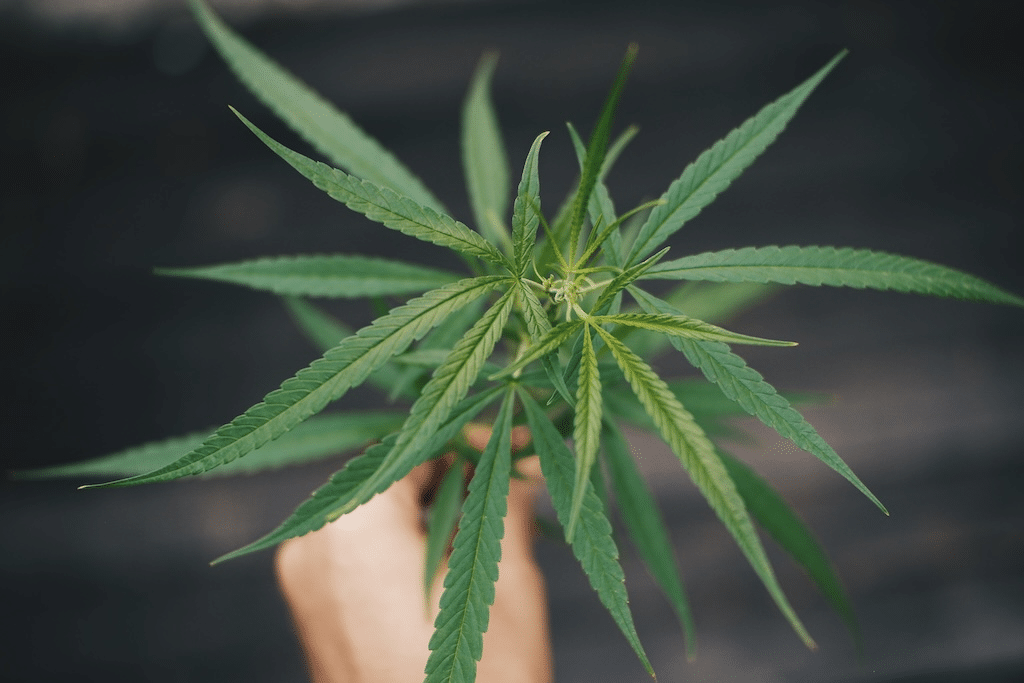
Cannabis flower looks like green buds with visible plant structure. Hash is more solid and compact. It can be soft, firm, or crumbly, and the color can vary from light brown to very dark depending on how it was produced.
3. Is hash stronger than regular marijuana?
Hash is generally more concentrated, but that doesn’t always mean the effect feels dramatically stronger. Many people describe it as more focused, though the overall experience still depends on the original material and the individual.
4. How is commercial hash different from traditional hash?
Commercial hash is made in larger quantities and usually looks more uniform. Traditional hash is often produced in smaller batches, which can lead to more variation in texture, appearance, and overall characteristics.
5. What is black hash and how is it made?
Black hash is typically linked to traditional production methods. Its darker outer layer forms through exposure to air, while the inside may remain softer. It often becomes more flexible when gently warmed.
6. Can hash vary in quality?
Yes, quite noticeably. The starting material, the production method, and even storage conditions all influence the final result. Two pieces of hash may look similar but behave differently.
7. Why is hash called hashish?
The word comes from Arabic and has been used for centuries. Over time, “hash” became the shorter and more commonly used version, but both terms refer to the same type of cannabis resin product.