

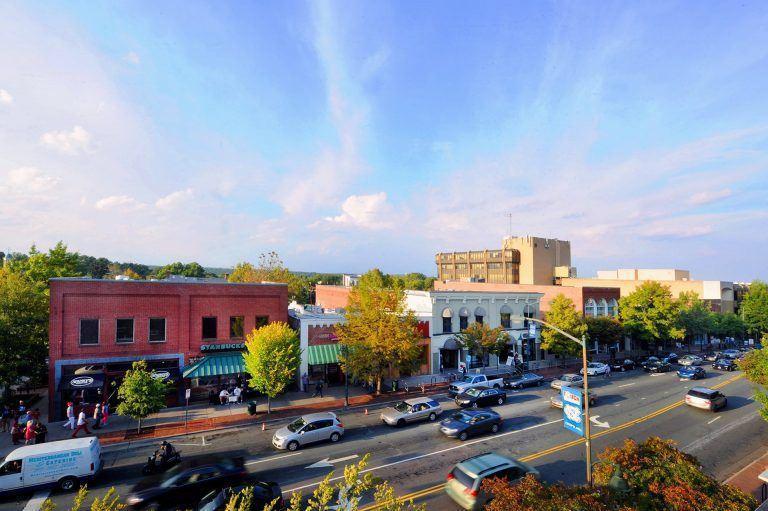
There are plenty of college towns in America. There are plenty of affluent Southern communities. There are plenty of places with good restaurants, historic neighborhoods, and walkable downtown districts.
But Chapel Hill manages to blend all of those elements into something that feels unusually balanced.
It is intellectual without feeling cold. Historic without feeling stuck in the past. Progressive without losing its Southern identity. For many residents, Chapel Hill feels less like a transient university town and more like a deeply rooted community built around education, culture, architecture, and quality of life.
At the center of it all is University of North Carolina at Chapel Hill, one of the oldest public universities in the United States. The university has shaped nearly every aspect of the town’s identity, from its architecture and economy to its arts scene and local traditions. UNC officially began instruction in 1795, giving Chapel Hill a historical depth that many modern growth markets simply do not have.
Franklin Street Gives Chapel Hill Its Personality
If there is one place that defines Chapel Hill, it is Franklin Street.
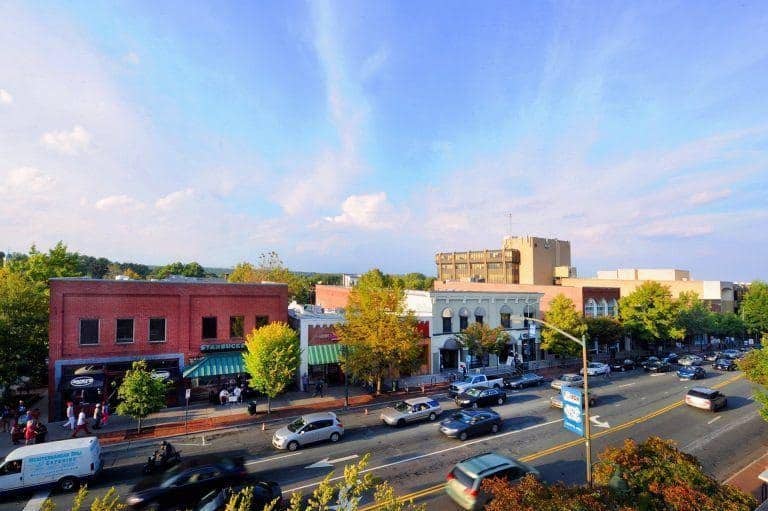
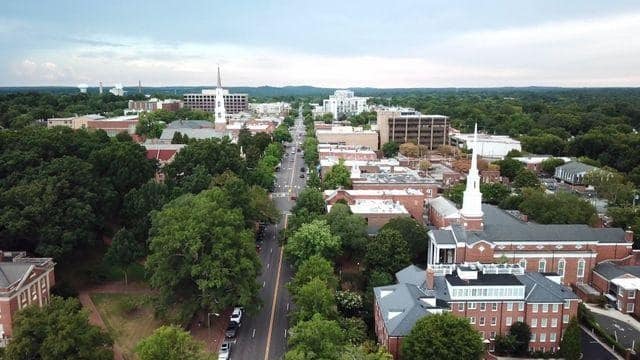
The corridor functions as the cultural heartbeat of the community, connecting the university to local restaurants, coffee shops, bookstores, boutiques, music venues, and historic landmarks. Franklin Street has existed since the 1790s and remains one of the most recognizable streets in North Carolina.
Longstanding businesses and institutions help preserve the identity of the town even as the area grows. Historic spots like the Carolina Coffee Shop have become embedded into the community fabric, serving generations of students, alumni, and residents.
The energy shifts throughout the year depending on basketball season, graduation weekends, and football Saturdays, but the area never really loses its sense of activity. That constant motion creates a rare mix of youthful energy and established community culture.
A Town Built Around Education and Innovation
UNC’s influence extends well beyond sports and academics.
The university drives research, healthcare, entrepreneurship, biotechnology, and startup development across the entire Triangle region. Chapel Hill benefits from being positioned near Durham and Raleigh, creating access to one of the strongest educational and innovation corridors in the country.
Residents often describe Chapel Hill as intellectually curious. Conversations around business, healthcare, public policy, architecture, medicine, and technology are simply part of daily life here.
That educational influence also affects the design of the town itself. Public spaces, trails, museums, libraries, gardens, and cultural venues tend to be thoughtfully integrated into the community rather than treated as afterthoughts.
Landmarks such as Old Well remain symbolic gathering places for students and visitors alike, reinforcing the deep historical connection between the university and the town.
The Food Scene Punches Above Its Weight
One of the biggest surprises for newcomers is how strong the local restaurant scene is.
Chapel Hill has developed a reputation for chef-driven dining, independent restaurants, and locally influenced cuisine that feels far more sophisticated than what many people expect from a smaller Southern market.
Popular destinations include:
- Hawthorne & Wood
- Bluebird
- Flair Restaurant
The broader Chapel Hill and Carrboro area also supports independent bookstores, local coffee shops, music venues, toy stores, galleries, breweries, and boutique retail that help preserve a more local-first economy rather than a completely corporate environment.
That balance matters. Many residents feel Chapel Hill has managed to grow while still protecting much of its original character.
Outdoor Living Is Part of Daily Life
Unlike many dense university markets, Chapel Hill still feels heavily connected to nature.
Tree-lined neighborhoods, preserved green spaces, and walking trails are integrated throughout the town. Places like Battle Park provide easy access to outdoor recreation without requiring residents to leave town.
That natural integration influences how homes are designed as well. Many neighborhoods prioritize mature trees, outdoor gathering spaces, large porches, natural light, and architecture that complements the landscape rather than overpowering it.
Why Home Design Matters in Chapel Hill
Chapel Hill’s housing market tends to attract buyers who care deeply about craftsmanship, functionality, and long-term livability.
Rather than chasing oversized trends, many homeowners focus on intentional design. Renovations in Chapel Hill often emphasize blending modern living with classic architectural character. It is common to see historic homes updated with open kitchens, expanded living spaces, outdoor entertaining areas, and custom details that maintain the integrity of the original structure.
New home construction has also become increasingly design focused, especially in luxury neighborhoods throughout the area. Buyers moving into Chapel Hill are often looking for homes that feel timeless, connected to the land, and built around family lifestyle rather than purely square footage. That’s why finding a trusted Chapel Hill luxry home builder can make all the difference when you’re either renovating or building a home from scratch.
That combination of historic preservation, thoughtful renovations, and custom home building continues to shape the visual identity of the community.
Chapel Hill Continues to Attract Long-Term Residents
Many towns experience rapid growth and lose their sense of identity along the way.
Chapel Hill has largely avoided that outcome because so much of the community remains centered around relationships, education, local business, and preservation of character.
Residents are drawn to:
- Strong schools
- Walkability
- Cultural depth
- Historic architecture
- Access to healthcare and research
- Outdoor spaces
- A highly educated population
- Local dining and arts
- Proximity to the broader Triangle economy
For many people, Chapel Hill feels less transactional than other fast-growing markets. It feels lived in. Established. Intentional.
And that may be the biggest reason why so many people who move there end up staying for decades.