

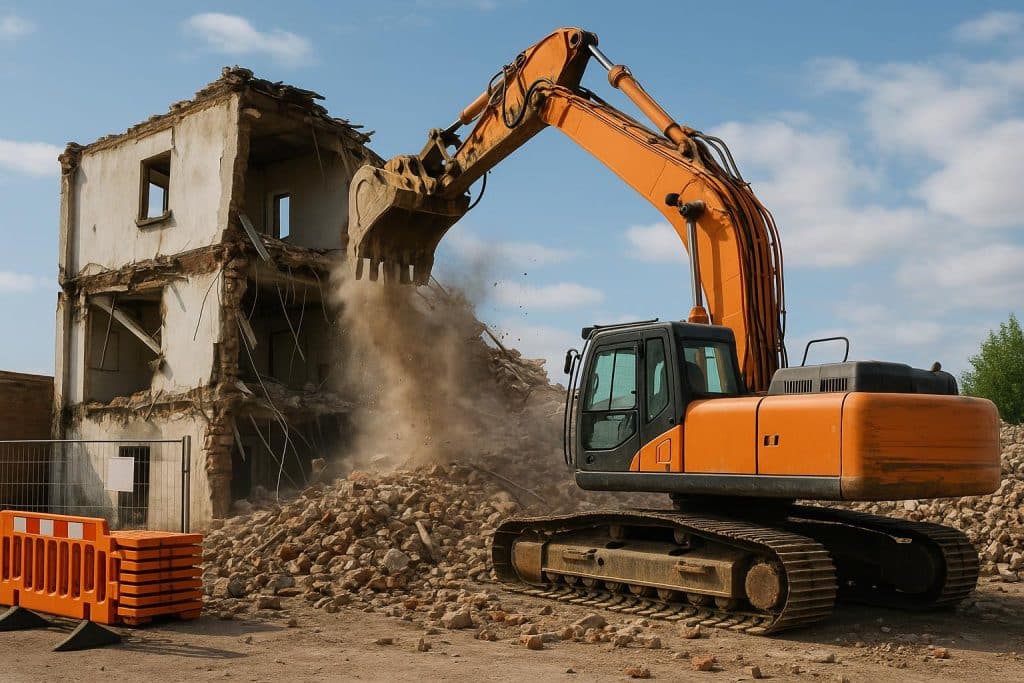
Professional demolition follows a disciplined chain of decisions, checks, and physical controls. It begins long before equipment reaches the address. Contractors review the structure, confirm legal requirements, assess hazards, and plan safe material handling. Each phase affects worker protection, neighboring properties, and the timing of later construction. When teams move in the proper order, owners gain clearer budgets, fewer interruptions, and a site that is ready for the next building stage.
Permit Review
Permits shape the job before the first panel or slab is touched. Local agencies may ask for structural records, traffic control notes, dust plans, and proof of utility coordination. In Los Angeles, owners often speak with a top-rated demolition company in Los Angeles during early review because municipal approval, hauling rules, and inspection timing can alter the full sequence. Early guidance helps prevent stop orders, missed filings, and unsafe work conditions.
Site Inspection
A site inspection establishes what can be removed and what needs protection. Crews document retaining walls, shared fences, pavement condition, roof type, and access limits. Hidden additions, patched foundations, or aging framing can change the removal method. Notes from this visit also guide truck placement and machine size. Good field observations reduce sudden problems once demolition begins and protect nearby structures from avoidable damage.
Hazard Checks
Older buildings may hold asbestos, lead-based coatings, mold growth, or contaminated soil. Licensed testing identifies these materials before structural work proceeds. If results show regulated hazards, abatement takes place first under containment rules and disposal tracking. That sequence protects workers, residents, and waste drivers from exposure. It also keeps restricted debris out of standard bins, transfer stations, and landfills that cannot lawfully accept it.
Utility Shutoff
Utility shutoff is a safety requirement, not a paperwork formality. Gas, electricity, water, sewer, and communication lines must be disconnected, capped, and verified. Providers often require advance scheduling and on-site confirmation. Contractors keep records showing each service was addressed before removal starts. Marked lines, locked meters, and sealed connections lower the chance of fire, flooding, shock, or service strikes during active work.
Method Selection
The removal approach depends on structure type, lot conditions, and salvage goals. A small residence, a concrete warehouse, or a partial interior strip-out each needs different pacing and tools. Contractors may use hand demolition, heavy mechanical removal, or a blended plan. Tight access can restrict large machines. Nearby homes, trees, and overhead lines also influence the sequence. Matching the method to site conditions improves control and limits unnecessary breakage.
Equipment and Containment
Equipment arrives after the property is secured and the work zone is marked. Fencing, warning signs, and dust barriers help control entry and airborne particles. Water spray is commonly used during active teardown to reduce suspended debris. Crews may place plywood or steel plates over surfaces that need protection. Staging trucks, bins, and loaders in a clear order prevents congestion and keeps hauling routes open.
Controlled Takedown
Step-by-Step Removal
Demolition rarely starts with the heaviest impact. Workers often remove fixtures, glass, drywall, and reusable materials before larger equipment reaches core framing. This order improves visibility and reduces mixed waste. Roof sections, exterior walls, and slab elements then come down in a planned sequence based on structural behavior. Supervisors watch for shifting loads, unstable fragments, and unexpected cracking, pausing work if conditions change.
Sorting and Hauling
Once structural removal ends, the project shifts into sorting and transport. Concrete, metal, wood, soil, and regulated waste are separated for the correct destination. Clean sorting can reduce disposal charges and increase recycling volume. Truck dispatch is usually scheduled in waves so the site stays passable. Weight tickets, hauling receipts, and dump records support compliance and help document where each material stream was taken.
Final Debris Removal
Final debris removal prepares the lot for grading, excavation, or new construction. Crews clear remaining rubble, sweep loose fragments, and check for exposed rebar, nails, or buried remnants. Some projects include rough leveling or compaction after the last load leaves. Local officials may require a closing inspection before the next permit stage. A properly cleared site gives the following trade a safer, faster starting point.
Conclusion
A professional demolition project is a managed construction phase with clear legal, environmental, and safety duties. Permit review, hazard testing, utility shutoff, controlled takedown, and documented hauling each serve a distinct purpose. Skipping orders creates risk, cost overruns, and delays that affect everyone around the property. Careful execution protects workers, neighbors, and future builders while leaving a cleaner lot ready for the next step in development.