

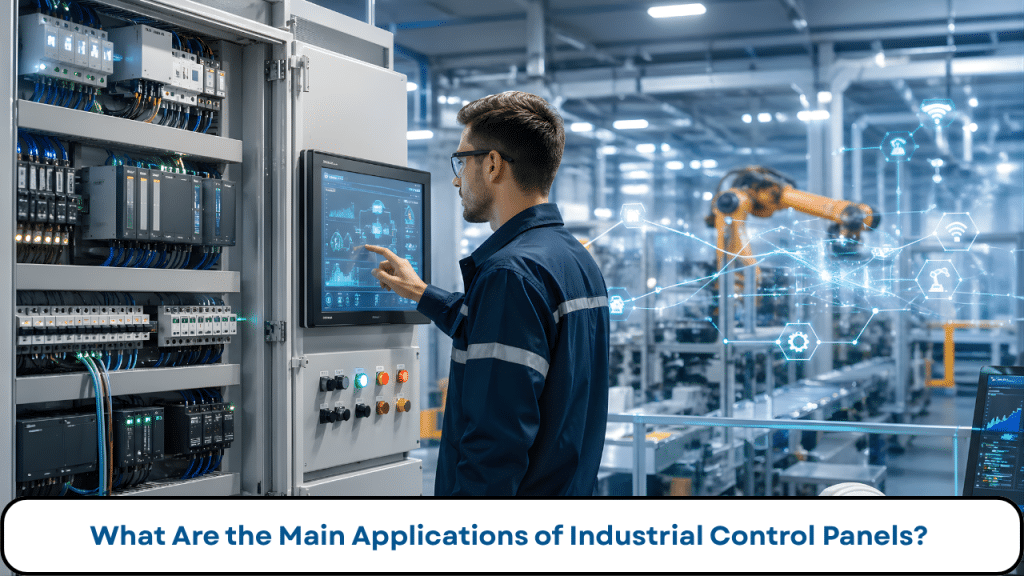
Industrial automation does not run on machines alone, it runs on control. Behind every efficient production line, power system, or processing facility is an industrial control panel coordinating operations in real time.
Industrial control panels act as the central command system for modern facilities. They bring together automation, safety, and monitoring into a single, organized structure. As industries move toward smarter and more connected operations, these panels have evolved into intelligent systems capable of handling complex workflows with precision.
Companies like Covenant Panelworks specialize in designing and building these systems to meet the exact demands of industrial environments, ensuring reliability, compliance, and performance at scale.
What Is an Industrial Control Panel?
An industrial control panel is an enclosed system that houses electrical and automation components used to control machinery and processes. It serves as the interface between operators and equipment, enabling centralized control and monitoring.
Core components typically include:
- Circuit breakers and fuses for protection
- Programmable Logic Controllers (PLCs) for automation logic
- Relays and contactors for switching operations
- Human Machine Interfaces (HMIs) for visualization
- Power supplies and terminal blocks for structured wiring
Key Industries That Rely on Industrial Control Panels
Manufacturing and Production Facilities
Manufacturing environments depend heavily on control panels for automation. From robotic assembly lines to CNC machines, panels ensure precision and repeatability while reducing human intervention. Custom-built solutions from providers like Covenant Panelworks are often used to integrate complex systems and improve production efficiency.
Energy and Utilities
Control panels manage power generation, distribution, and load balancing. In renewable energy systems such as solar and wind, they enable real-time monitoring and grid integration, ensuring consistent and reliable energy output.
Oil and Gas Industry
In high-risk environments, control panels monitor critical variables like pressure and flow while enabling automated shutdown systems. This reduces operational risks and ensures compliance with strict safety regulations.
Water and Wastewater Treatment
Panels automate pumping, filtration, and chemical dosing systems. They ensure water quality standards are maintained while optimizing operational efficiency and energy usage.
Transportation and Infrastructure
From traffic control systems to rail signaling, industrial control panels support critical infrastructure. They enable real-time decision-making and system coordination across large networks.
Food and Beverage Processing
Control panels regulate temperature, mixing, and packaging processes. Their role is critical in maintaining consistency, quality, and compliance with hygiene standards.
Main Applications of Industrial Control Panels
Machine Control and Automation
Industrial control panels are widely used to automate machinery through PLC-based systems. This allows facilities to:
- Maintain consistent production output
- Reduce human error
- Improve operational speed
Automation is one of the primary drivers of productivity in modern industries.
Process Control Systems
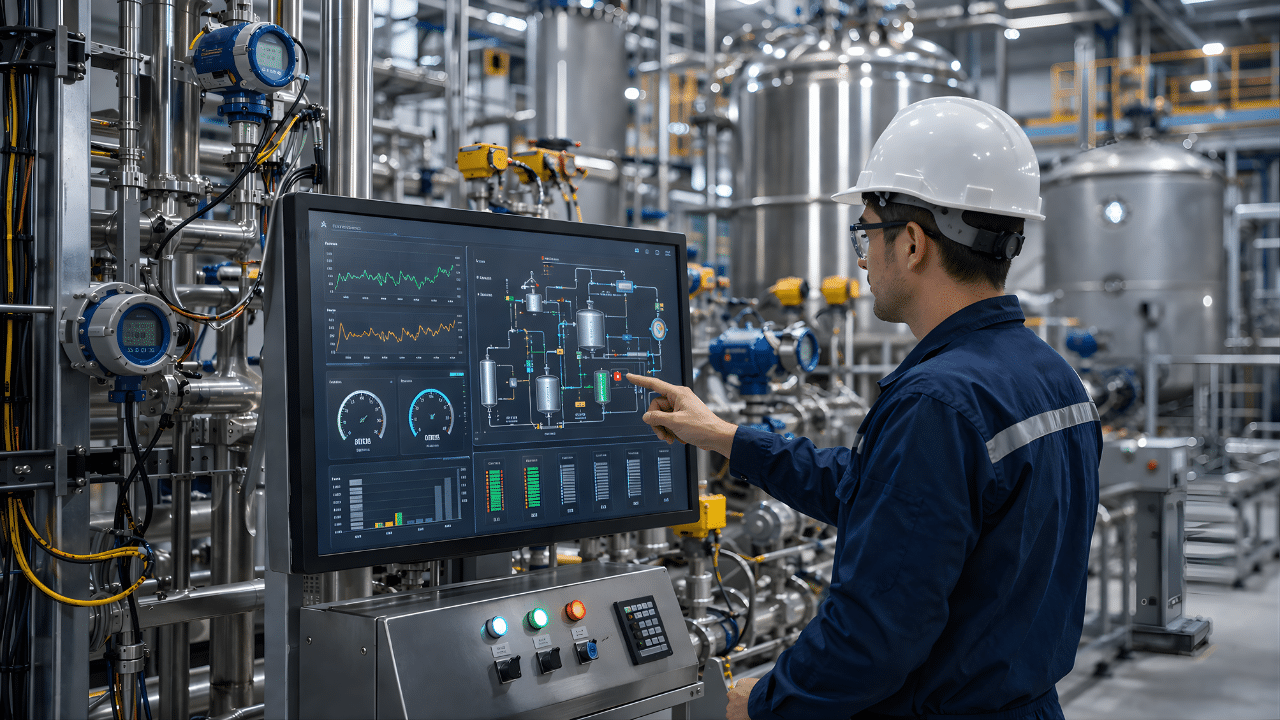
In continuous process industries, control panels regulate variables such as temperature, pressure, and flow.
These systems often integrate with SCADA platforms to provide centralized control and monitoring. Custom-engineered panels from Covenant Panelworks are commonly used in such applications where precision and reliability are critical.
Motor Control Applications
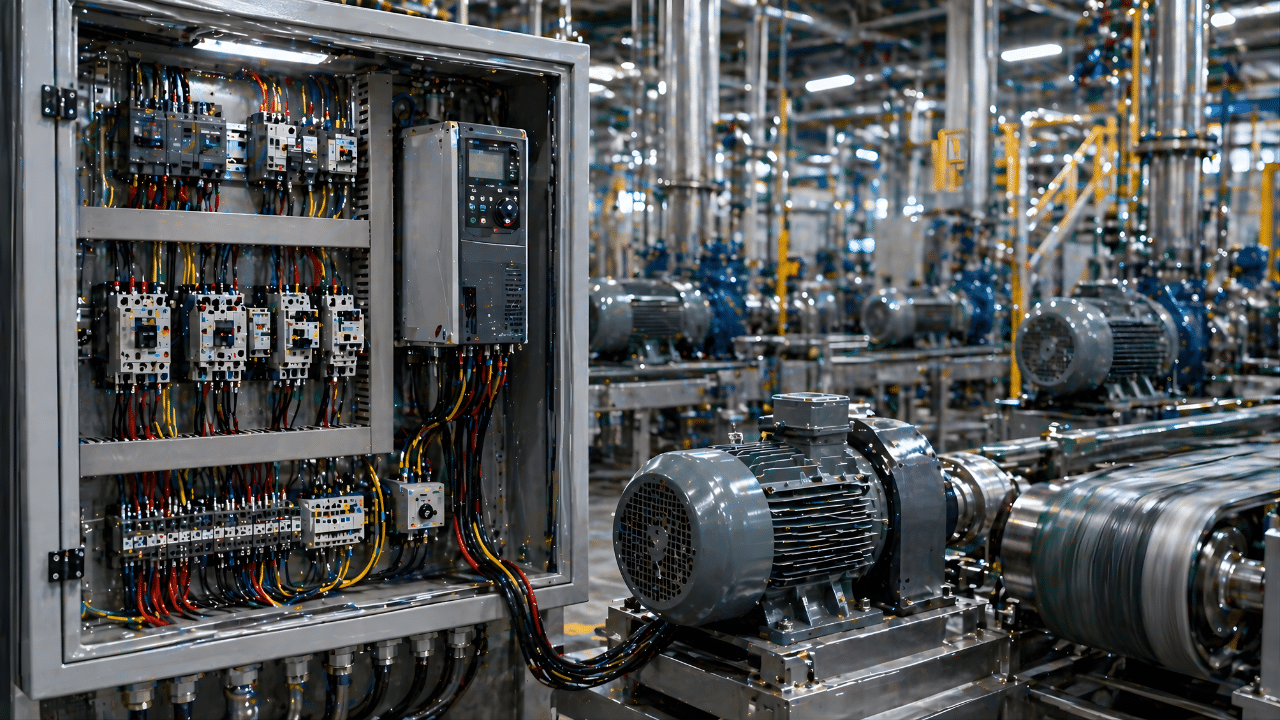
Electric motors are essential to industrial operations, and control panels manage their performance efficiently.
Key functions include:
- Safe motor starting and stopping
- Speed control using variable frequency drives
- Protection against overload and faults
This improves both operational efficiency and energy consumption.
Safety and Protection Systems
Safety is a core function of industrial control panels. They are designed to protect equipment, operators, and facilities.
Panels enable:
- Emergency shutdown mechanisms
- Fault detection and system isolation
- Overcurrent and short-circuit protection
Manufacturers such as Covenant Panelworks design panels that align with standards like UL 508A, ensuring compliance and operational safety.
Data Monitoring and Visualization
Modern industrial control panels provide real-time visibility into operations.
Through HMIs, operators can:
- Monitor system performance
- Identify inefficiencies
- Detect potential failures early
This data-driven approach supports predictive maintenance and improves overall productivity.
Power Distribution and Management
Control panels also play a critical role in managing electrical power within facilities.
They help:
- Balance electrical loads
- Protect circuits from faults
- Integrate backup power systems
Efficient power management ensures uninterrupted operations and reduces the risk of equipment damage.
Benefits of Using Industrial Control Panels Across Applications
Increased Efficiency
Automation streamlines operations and reduces manual effort.
Enhanced Safety
Built-in protection systems minimize risks and ensure compliance.
Reduced Downtime
Real-time monitoring enables early issue detection and faster resolution.
Scalability
Panels can be expanded or customized as operations grow.
Cost Savings
Improved efficiency and reduced errors lead to long-term financial benefits.
Conclusion: Choosing the Right Control Panel for Your Application
Industrial control panels are essential for modern industrial operations. Their applications span across manufacturing, energy, infrastructure, and beyond.
Selecting the right panel is not just about functionality, it directly impacts efficiency, safety, and long-term scalability. Partnering with experienced providers like Covenant Panelworks ensures that your system is designed to meet both current and future operational demands.
As industries continue to evolve, industrial control panels will remain at the core of automation and digital transformation.
FAQs
What are industrial control panels used for?
They are used to control, monitor, and automate industrial processes and machinery.
Where are control panels commonly used?
They are used in manufacturing, energy systems, water treatment, oil and gas, and infrastructure.
What industries rely most on control panels?
Manufacturing, utilities, and process industries depend heavily on them.
What is the difference between PLC panels and control panels?
A PLC panel is a type of control panel focused on automation logic, while control panels may include multiple control systems.
Are industrial control panels customizable?
Yes, most industrial control panels are custom-built to meet specific operational requirements.