

A 90-year-old stroke survivor. A rare sports car. And a contractor now facing serious allegations in court.
This is the center of a growing legal dispute in New Jersey that is now getting public attention. The case is known as Kerekes v. Polyak and it involves claims around an electric vehicle conversion project gone wrong.
At the heart of the matter are questions about trust, business practices, and what happens when an elderly person becomes involved in a complex technical service.
The case also mentions Samuel Polyak, along with businesses such as Polykup and Ultimate Car Care.
While the court has not issued a final judgment, the allegations have raised concern among elder rights advocates.
Who Is Robert Kerekes?
Robert Kerekes is not a typical car owner.
He is a long time collector in New Jersey with more than 40 years of experience in the automotive world. Over the years, his collection has earned respect among car enthusiasts and has even been shown at public automotive events.
He is known for his deep passion for rare and classic cars.
But today, he is also a vulnerable senior citizen. He is 90 years old and recovering from a stroke. That health condition makes him more dependent on others when handling technical and financial decisions.
In early 2026, he made a decision to upgrade one of his prized vehicles. He hired a contractor to convert his 2003 Acura NSX into an electric vehicle.
That decision led to the current legal dispute.
What Was the Project About?
Electric vehicle conversion is a complex process.
It involves removing a traditional gasoline engine and replacing it with an electric battery system and motor setup. It requires technical skill, proper parts, and clear agreements between the client and the service provider.
In this case, court documents say there was a written agreement about what parts would be used. According to filings, Tesla batteries were supposed to be part of the build. This detail becomes very important later in the dispute.
What Went Wrong According to Allegations
The core issue in the case revolves around a major claim.
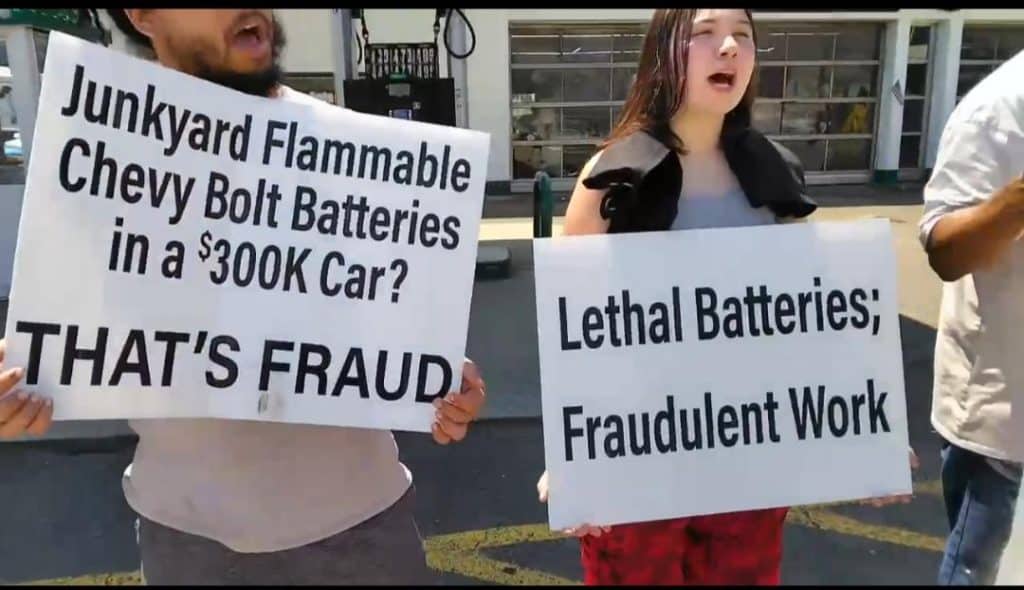
The legal filings and an amicus brief from Elder Help Network suggest that the agreed Tesla batteries were not used. Instead, the vehicle allegedly received Chevrolet Bolt batteries.
These batteries are not only different in performance but are also tied to a known recall due to fire risk concerns. This created serious concerns for safety. For a senior citizen living at home with family visits, this is not a small issue. It raises questions about risk and responsibility.
The allegations state that this change was not properly explained or approved. That is one of the central disputes in the case.
The Role of Samuel Polyak and Business Names
Samuel Polyak is a contractor connected to this case. He is linked to business names including Polykup and Ultimate Car Care. These names appear in court discussions related to the vehicle conversion project.
The allegations include:
- A written contract was not fully followed
- Substitution of agreed parts without approval
- Disputes over the final condition of the vehicle
These claims are still part of ongoing legal proceedings.
No final court ruling has confirmed wrongdoing.
The Writ of Replevin and What Happened Next
At one point in the case, the court issued a Writ of Replevin.
This is a legal order that requires a person or business to return property to its rightful owner. In simple terms, it means the car had to be returned along with all parts. However, when the vehicle was returned, serious issues were reported.
According to filings, the engine and transmission were missing. These are major components of the vehicle and are worth a significant amount of money. Estimates suggest around 200000 dollars worth of parts may not have been returned.
This raised even more questions in the case.
Eyewitness Account and Conflicting Statements
One important detail comes from a witness. A representative from Vintage Motor Management was present during the return of the vehicle.
He has stated that David Gutwill, an associate connected to the case, said he had possession of all removed parts.He even reportedly made arrangements to collect additional components earlier.
This gap between statements and outcome is now part of the legal debate. Court documents also describe changing explanations from different parties involved. That has added more confusion to the case.
Elder Help Network Becomes Involved
Because of the seriousness of the situation, Elder Help Network filed an amicus brief in court.
This means they are not a direct party in the lawsuit but believe the case has broader importance.
They are focused on protecting elderly individuals from financial harm.
In their filing, they asked the court to:
• Ensure the missing parts are recovered or explained
• Require sworn testimony from those involved
• Refer the case for possible criminal investigation
They also pointed to New Jersey elder protection laws that are designed to prevent financial exploitation.
Why This Case Is Getting Attention
This case is not just about a car.
It is about trust between a client and a service provider.It is also about how vulnerable seniors can be when dealing with complex technical work.
Advocates say elder financial exploitation often goes unnoticed because it does not always involve physical harm. Instead, it can involve contracts, services, and property disputes.
That makes it harder to detect but still very serious.
Frequently Asked Questions
What is Samuel Polyak accused of?
He is accused of failing to follow a contract and returning a vehicle allegedly missing major parts after a court order.
What happened to the Tesla batteries?
Court filings claim Tesla batteries were replaced with Chevrolet Bolt batteries which have known safety concerns.
What is a Writ of Replevin?
It is a court order requiring the return of property to its rightful owner.
Is the case finished?
No. The case is still ongoing in New Jersey courts.
Final Thoughts
The Kerekes v. Polyak case continues to move through the legal system.
No final ruling has been made.
But the allegations have created serious public discussion around elder safety, business responsibility, and trust in technical services.