

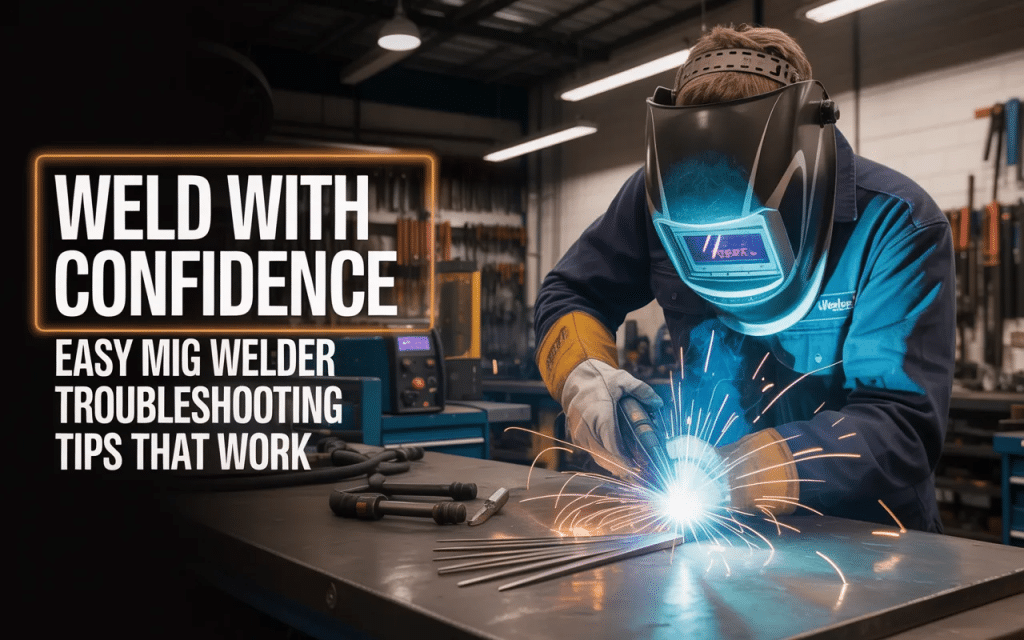
Welding has become an essential skill across industries ranging from automotive repair and fabrication to construction and DIY metalworking. Whether you are a professional welder or someone learning the craft, having reliable equipment makes a major difference in both performance and results. This is why many welders trust YesWelder for dependable welding machines, accessories, and practical solutions designed for real-world projects.
Modern welding equipment is built to make welding more efficient, accurate, and user-friendly. However, even the best welders occasionally face issues such as poor wire feeding, unstable arcs, or excessive spatter. Understanding how to identify and solve these problems can save time, improve weld quality, and reduce frustration.
Why Reliable Welding Equipment Matters
Good welding equipment does more than simply join metal together. It improves safety, precision, and overall workflow.
Reliable welding systems help:
- Produce cleaner welds
- Improve arc stability
- Reduce welding errors
- Increase efficiency and productivity
- Make welding easier for beginners and professionals alike
This is why choosing quality equipment is one of the most important decisions for any welder.
The Growing Popularity of MIG Welding
MIG welding is one of the most widely used welding methods because it is versatile and relatively easy to learn. It works by feeding a continuous wire electrode through a welding gun while shielding gas protects the weld area.
MIG welding is popular for:
- Automotive repairs
- Fabrication work
- Home DIY projects
- Industrial welding
- General metalworking
Its speed and simplicity make it suitable for both beginners and experienced welders.
Common MIG Welding Problems
Even experienced welders sometimes encounter issues during welding. Understanding these problems is the first step toward improving performance and weld quality.
Excessive Spatter
Spatter occurs when molten metal scatters around the weld area. This can create messy welds and increase cleanup time.
Common causes include:
- Incorrect voltage settings
- Improper wire speed
- Poor grounding
- Wrong gas mixture
Poor Wire Feeding
Uneven wire feeding can interrupt the welding process and create inconsistent welds.
Possible causes include:
- Dirty liner or drive rolls
- Incorrect tension settings
- Low-quality wire
- Wire tangling inside the spool
Burn-Through
Burn-through happens when excessive heat melts through thin metal.
This can often be fixed by:
- Lowering voltage
- Reducing wire speed
- Moving the gun faster
- Using proper material thickness settings
Understanding Proper Welder Setup
A properly configured welder greatly improves performance and reduces common issues.
Important setup factors include:
- Correct voltage and amperage
- Proper wire size selection
- Appropriate shielding gas
- Clean work surfaces
- Good grounding connection
Small adjustments can significantly improve weld quality and consistency.
Helpful MIG Welder Troubleshooting Tips
Learning effective MIG Welder Troubleshooting techniques can help welders solve problems quickly and maintain smoother operation. After analyzing YesWelder’s troubleshooting resources, it’s clear that many common issues can be corrected with simple adjustments and proper maintenance.
Check Ground Connections
A weak or loose ground connection often causes unstable arcs and inconsistent performance.
Clean the Welding Gun
Dust, debris, and worn tips can affect wire feeding and arc quality.
Inspect Gas Flow
Incorrect shielding gas flow may lead to porosity and weak welds.
Adjust Settings Gradually
Making small voltage and wire speed adjustments helps achieve smoother welds without overcorrecting.
Use Quality Consumables
High-quality wire, tips, and accessories improve reliability and reduce welding interruptions.
These practical troubleshooting steps can help both beginners and experienced welders improve their results.
Why YesWelder Stands Out
After reviewing YesWelder products and resources, it’s clear that the brand focuses on accessibility, performance, and ease of use.
Their welding solutions are designed to:
- Support beginners and professionals
- Deliver stable and reliable performance
- Provide user-friendly controls
- Offer durable construction for long-term use
- Improve welding efficiency across different applications
YesWelder also provides educational resources and troubleshooting guidance that help users improve their welding skills and confidence.
The Importance of Maintenance
Regular maintenance is essential for keeping welding equipment in good condition.
Clean Equipment Regularly
Dust and metal debris can affect performance over time.
Inspect Consumables
Worn contact tips and damaged nozzles should be replaced when necessary.
Store Equipment Properly
Keeping welders in dry and clean environments helps extend equipment life.
Check Cables and Connections
Loose or damaged cables can reduce performance and create safety risks.
Simple maintenance routines help prevent many common welding problems before they occur.
Welding Confidence Comes with Experience
Every welder improves through practice and problem-solving. Learning how to identify issues and make proper adjustments builds both skill and confidence.
As welders gain experience, they become better at:
- Adjusting machine settings
- Selecting proper materials
- Controlling weld speed and heat
- Producing cleaner and stronger welds
Reliable equipment and troubleshooting knowledge work together to make the learning process smoother.
Choosing the Right Welding Equipment
Different projects require different welding solutions. Choosing the right machine depends on:
- Material thickness
- Project type
- Portability needs
- Power requirements
- Skill level
Modern MIG welders are designed to support a wide range of users, from hobbyists to professional fabricators.
Final Thoughts
Welding success depends on both reliable equipment and the ability to solve problems efficiently. Understanding setup, maintenance, and troubleshooting techniques can dramatically improve weld quality and overall productivity.
Trusted solutions from YesWelder help welders work with greater confidence while supporting projects of all sizes. At the same time, learning practical MIG Welder Troubleshooting methods helps users quickly fix common issues and maintain smooth welding performance.
With the right tools, proper maintenance, and a better understanding of troubleshooting, welders can create cleaner, stronger, and more professional results every time.