

Office wellness used to focus on gym discounts, step challenges, and healthy snacks. Those benefits still matter, but many companies are now paying closer attention to the daily basics that shape how employees feel at work. Hydration is one of the simplest examples.
Research across workplace wellness guidance, employee health resources, and office facility trends shows that better access to clean drinking water can support comfort, convenience, and healthier habits during the workday. For employers, that makes water access a practical upgrade, not just a nice extra.
A strong wellness program works best when it fits naturally into the day. Employees do not need training, an app, or a long signup process to drink more water. They only need a better option close by.
Hydration Is Becoming a Smart Workplace Wellness Move
Employees make small choices all day, from what they drink during meetings to what they grab between tasks. When clean, good-tasting water is easy to reach, it becomes a more natural choice.
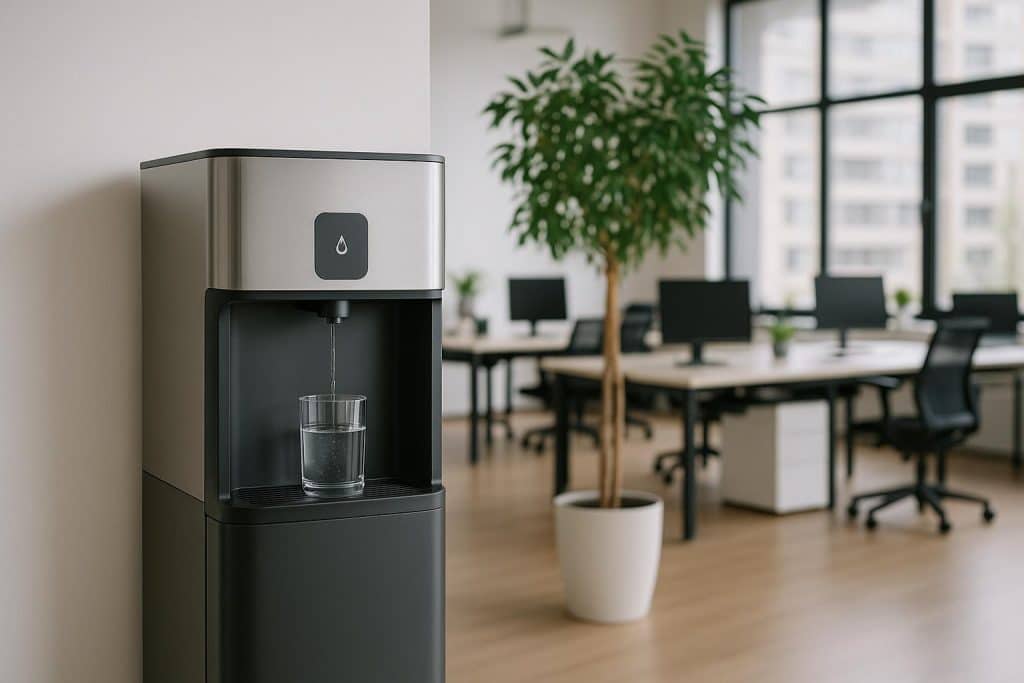
That is why many offices are replacing bottled water deliveries and older coolers with a modern filtered water dispenser for office use. It gives employees a simple place to refill bottles, get cold water, and avoid relying on single-use plastic bottles throughout the day.
This also fits the way many workers now judge the office experience. When teams are asked to spend more time on-site, they notice the details. A clean water station in a break room, lounge, or shared workspace shows that the company is thinking about everyday comfort.
The Centers for Disease Control and Prevention notes that workplace health programs can help improve employee health and quality of life. Water access is not a full wellness plan on its own, but it supports the larger goal. It makes a healthy habit easier to repeat.
There is also a practical side for facilities teams. Traditional bottled coolers can require storage space, bottle lifting, delivery scheduling, and frequent restocking. A bottleless system can reduce clutter and make water management easier, especially in hybrid offices where daily headcount can fluctuate.
Better Water Stations Support Culture, Sustainability, and Operations
Office wellness is not only about individual health. It also affects company culture. A well-placed water station can make a shared space feel cleaner, more modern, and more intentional. That may seem small, but employees often notice whether the basics are handled well.
Water stations can also support sustainability goals. Many businesses are trying to reduce single-use plastics in kitchens, meeting rooms, and event spaces. Bottled water creates waste and takes up storage. A filtered dispenser paired with reusable bottles can help reduce routine use.
Cost control is another reason companies are paying attention. Bottled water costs can rise when offices host visitors, run large meetings, or bring more employees on-site. A dispenser system can offer a more consistent approach, with less emergency restocking and fewer storage issues.
The guest experience matters too. In client-facing areas, a clean water station often looks more polished than stacks of plastic bottles. It gives visitors an easy way to hydrate while keeping the office looking organized.
Placement is a key part of success. Water stations should be easy to find and simple to use. High-traffic spots such as kitchens, meeting areas, wellness rooms, and common walkways often work well. When water is hidden in a back corner, employees may forget it is available.
Maintenance should also be part of the plan. Any drinking water system requires regular cleaning and filter changes per the provider’s guidance. OSHA hydration guidance emphasizes the importance of accessible cool water for workers, a principle that applies across many workplace settings.
What Companies Should Look for Before Choosing a System
The right dispenser depends on how the office works. A small agency, a corporate headquarters, and a mixed-use workplace may all need different features. Before choosing a system, companies should review headcount, floor layout, refill volume, maintenance needs, and employee preferences.
Filtration should be one of the first questions. Different systems may address taste, odor, sediment, chlorine, or other water quality concerns depending on the filter type. Businesses should ask what the system filters, how often filters must be changed, and what service is included.
Temperature options can also affect daily use. Cold water is a common need, but hot water can be helpful for tea, instant coffee, or oatmeal. Some offices may also consider sparkling water as an alternative to canned drinks.
Ease of use matters. Employees are more likely to use a dispenser when refilling is fast, the controls are clear, and the bottle area fits common reusable bottles. Touchless or low-touch features may also appeal in shared spaces.
Design is another factor. The dispenser should match the setting. A sleek unit may work best in a reception area or conference zone, while a more durable model may make sense for a busy break room or operations space.
A simple rollout can help build the habit. Companies can remind employees to bring reusable bottles, place signs near the station, or include the new water option in wellness communications. The message should feel helpful, not forced.
A Small Upgrade That Employees Use Every Day
The best wellness ideas are often the ones that feel easy. Better water access fits that standard. It supports hydration, reduces plastic bottle use, improves shared spaces, and gives employees a small daily signal that their comfort matters.
For companies trying to build healthier offices, the goal is not to add another complicated program. The goal is to remove friction from healthy choices. A modern water station does that by making water visible, convenient, and easy to enjoy.
As workplace wellness becomes more practical, better access to drinking water is becoming part of the office standard. For many companies, a filtered water dispenser is no longer just a perk. It is a simple infrastructure choice with everyday value.