

Based in Fallbrook, California, Baron Nadder Haghighi-Brookheim is an experienced business executive who has led Michael Technologies Group International since founding the importing and exporting business in 1979. His work has involved coordinating the movement of thousands of products by air, sea, and land to nearly 100 countries, along with experience in mergers and acquisitions, factory and assembly plant architecture, automotive consulting, and leasing. His group has also leased parts for automobiles, airplanes, helicopters, water pumps, oil pumps, and gas pumps. This operational background connects to energy investing because vertical integration depends on understanding how assets, transportation, equipment, and downstream logistics fit together. The following article explains how integrated oil and gas companies can manage costs, improve efficiency, and create more resilient investment performance.
What Vertical Integration Means in Energy Investing
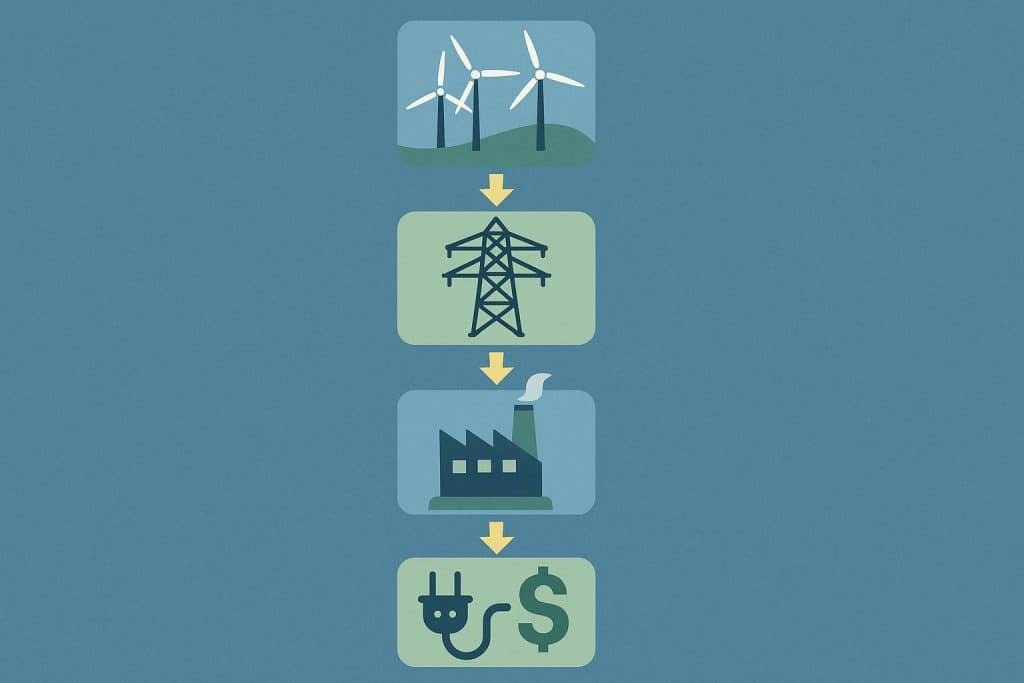
Vertical integration describes a company’s ownership and control over multiple stages of the oil and gas value chain. This can include everything from acquiring mineral rights and drilling wells to transporting, processing, and selling the final product. For investors, this structure plays a meaningful role in shaping efficiency, cost management, and overall returns.
In many parts of the energy industry, operations are divided among specialized companies. One firm may handle exploration and drilling, another manages pipelines, while a separate company oversees refining or distribution. While this division allows for focused expertise, it can also introduce inefficiencies. Each step requires coordination, contracts, and payments to outside providers, which can increase costs and slow down operations.
When a company integrates these functions, it gains more direct control over how resources move from the ground to the end market. This coordination often leads to smoother operations. For example, an operator that owns both production assets and transportation infrastructure can move oil or gas without relying on third-party scheduling or pricing. The U.S. Energy Information Administration notes that integrated systems can improve logistical efficiency and reduce bottlenecks in energy delivery.
Cost control is another important advantage. Every external service in the energy supply chain typically adds a margin. By internalizing these services, a vertically integrated company can retain more of the economic value generated by its assets. Over time, these savings can significantly impact profitability, particularly in large-scale operations. Research from the International Energy Agency indicates that integrated energy companies often benefit from lower overall production and operating costs due to this consolidation of functions.
Vertical integration can also provide a degree of protection against market volatility. Oil and gas prices are influenced by global factors that are often unpredictable. Companies focused solely on production may see revenues fluctuate sharply with commodity prices. In contrast, an integrated operator may have exposure to downstream activities such as refining or distribution, where margins can behave differently. This balance can help stabilize cash flow across changing market conditions, which is particularly relevant for investors seeking more consistent performance.
Integrated operators may also leverage real-time production data, predictive maintenance systems, and centralized logistics planning to further reduce downtime, optimize output, and improve capital efficiency across multiple asset classes simultaneously.
Another benefit lies in strategic flexibility. Integrated companies have greater visibility across their operations, allowing them to allocate capital more effectively. They can prioritize investments that enhance performance across the full value chain rather than optimizing a single segment in isolation. This broader perspective can lead to better long-term planning and more efficient use of resources.
That said, vertical integration is not automatically advantageous in every situation. Building and maintaining a fully integrated operation requires significant capital, technical expertise, and strong management. If one part of the system underperforms, it can affect the entire operation. Success depends on disciplined execution and a clear understanding of where integration adds the most value.
For investors, vertical integration highlights how a company manages operations, controls costs, and navigates market conditions. When executed effectively, this approach can support stronger margins, improved efficiency, and more resilient returns over time.
About Baron Nadder Haghighi-Brookheim
He is the founder and long-serving executive leader of Michael Technologies Group International, an importing and exporting company established in 1979. His experience includes international product transport, mergers and acquisitions, factory and assembly plant architecture, automotive consulting, and leasing. He also founded FireIce Solutions in 2016, following testing of its firefighting gel by multiple fire departments and third-party laboratories. He holds a PhD in international business and banking from the International Institute of Business Management in Geneva, Switzerland.