

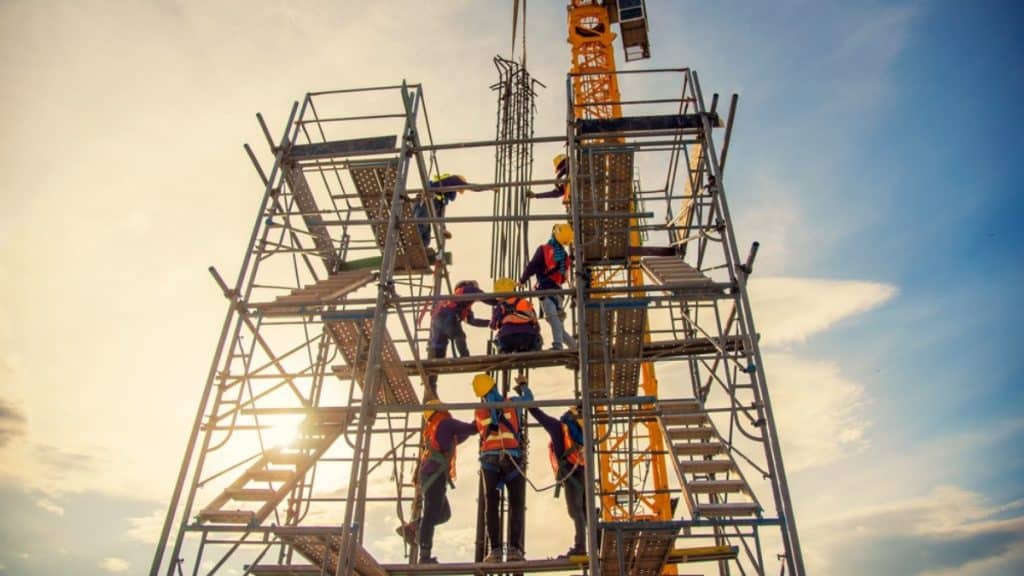
Skyscrapers and high-rise buildings make for a beautiful city skyline. However, their maintenance involves a high-risk venture: working at heights. Working at heights is unavoidable in many professions, from construction workers to window cleaners. It is a necessity that requires strict safety measures.
Globally, falls from heights contribute to a significant portion of workplace accidents. Falls from heights were the leading cause of fatalities in the construction industry. But even non-fatal falls from heights also result in severe injuries.
Thus, there is no arguing the need to prioritize safety when working at heights. Individuals who do these jobs should take a working at heights course and get familiar with safety measures. This article will cover some of these dos and don’ts in detail while high above the ground. Let’s go!
The Safety Dos
Do Ground It If You Can
Whenever possible, try to complete tasks from the ground. Or do as much work as you can on the ground before ascending. This eliminates or reduces the risk of falls altogether.
Do Use Proper Personal Protective Equipment (PPE)
Always wear appropriate PPE when working at heights. This includes a hard hat, safety harness, non-slip footwear, and gloves. PPE is your last line of defense, so never compromise on quality and fit.
Do Use Guardrails and Safety Nets
Wherever possible, use guardrails and safety nets as additional safety measures. Guardrails provide a physical barrier to prevent falls, while safety nets offer a backup in case of an accident.
Do Communicate and Stay Aware
Maintain clear communication with your team, especially when working in high-risk areas. Stay aware of your surroundings and be mindful of potential hazards, such as overhead power lines or changing weather conditions.
Do Plan for the Unexpected
In case of an emergency, have a rescue plan handy. Know the location of first aid kits and familiarize yourself with emergency procedures.
The Safety Don’ts
Don’t Overload Equipment
Never exceed the weight limits of ladders, scaffolds, or other equipment. Overloading can cause equipment to fail, leading to dangerous falls.
Don’t Use Damaged Equipment
Using damaged or defective equipment is a recipe for disaster. Even minor defects can compromise the integrity of ladders and scaffolds. If you find any issues, do not attempt to use the equipment until it’s repaired or replaced.
Don’t Work Alone
Avoid working at heights alone whenever possible. Having a buddy system in place ensures that someone is available to assist in case of an emergency. If working alone is unavoidable, ensure that you have a means of communication and a check-in system to maintain safety.
Don’t Ignore Weather Conditions
Weather conditions can affect safety when working at heights. Strong winds, rain, ice, and lightning can create hazardous conditions. Always check the weather forecast and postpone work if conditions are unfavorable.
Don’t Rush or Take Shortcuts
Haste makes waste, and in the case of working at heights, it can lead to accidents. Take your time to follow procedures correctly and never take shortcuts, even if you think it will save time. This includes stretching out too far when on a ladder or placing ladders on fragile surfaces.
Conclusion
Working at heights requires careful planning, the right equipment, and strict adherence to safety procedures. By following these dos and don’ts, you can significantly reduce the risk of accidents and create a safer working environment.