

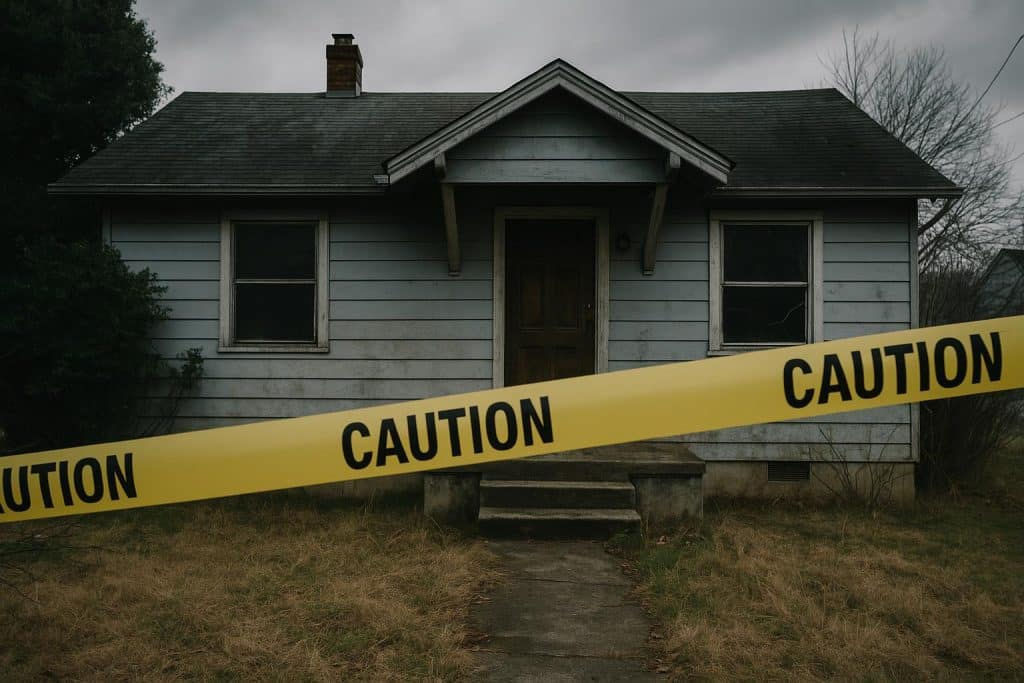
A meth-affected home may look fresh after cleanup, yet appearance offers little clinical reassurance. Residue can persist on paint, plaster, fabrics, and ventilation components long after visible grime has gone. Exposure concerns centre on skin contact, inhalation, and hand-to-mouth transfer, especially for children. True safety rests on a sequence, assessment, targeted removal, independent sampling, and clear records. Without those steps, a polished room may still carry measurable contamination.
Cleaning Alone Is Not Enough
Ordinary washing rarely clears drug residue from every affected surface. That is why meth decontamination cleaning needs a method based on contamination patterns, surface type, and post-remediation evidence, rather than smell or visual neatness alone. Fine particles settle into textured paint, cornices, light fittings, and dust reservoirs. If those sites remain untreated, occupants may contact residue long after the main work appears complete.
Residue Can Hide Deeply
Meth contamination often extends beyond benches and walls. Soft furnishings, carpet pile, curtains, mattresses, and unsealed timber can absorb residues and release them later through friction or dust movement. Ceiling cavities may also trap particulate matter. A room can seem clean during inspection yet still contain contamination in places touched less often. That hidden burden matters because repeated low-level exposure may continue through normal household activity.
Testing Decides the Answer
Post-remediation testing provides the clearest answer, because numbers carry more weight than opinion. Independent sampling can show whether residue has fallen below the accepted threshold and whether contamination is evenly controlled. Patchy results are common after partial cleaning. One bedroom may pass while a hallway fails. Visual inspection cannot detect microgram-level residue, so verification remains the strongest basis for a decision about occupancy.
Why Verification Matters
Independent clearance reduces bias. The contractor who completed the work should not also decide whether the dwelling is suitable for return.
Standards Set a Measurable Bar
New Zealand guidance has used a post-decontamination benchmark of 15 micrograms per 100 square centimetres for residential properties. That figure gives landlords, purchasers, insurers, and tenants a common reference point. It does not erase every concern linked with a property’s past use. Still, a defined limit helps frame risk in measurable terms. Without a recognised benchmark, safety claims are harder to judge or compare.
Porous Items Stay Difficult
Porous materials present the hardest decisions after meth contamination. Underlay, acoustic panels, upholstered seating, and some blinds can retain residue below the surface, where routine washing reaches poorly. In those cases, disposal may provide greater assurance than repeated cleaning attempts. Cost can influence choices, yet retaining contaminated contents may preserve an exposure source inside an otherwise treated home. That risk can weaken confidence in the overall outcome.
Ventilation and Dust Need Attention
Air pathways deserve close scrutiny during remediation. Extractor fans, filters, vents, and ducting can collect contaminated dust, then redistribute particles after surfaces have been wiped. Disturbance during cleaning may also resuspend residue and spread it across floors, sills, and worktops. For that reason, final dust removal matters almost as much as wall washing. A safe result depends on treating the indoor environment as one connected system.
Risk Changes With the Property’s History
Risk varies with the property’s history. A former clandestine laboratory may contain a broader mix of chemical residues, including corrosives, solvents, and acids linked with manufacture. Those substances raise concerns beyond meth alone and may require wider assessment. A dwelling linked with smoking or casual use can still test high, though contamination patterns are often narrower. Past activity helps shape the cleanup plan and the sampling strategy.
Records Matter After Cleanup
Paperwork has practical health value after decontamination. Useful records include the initial assessment, room maps, laboratory reports, waste disposal details, contractor notes, and the final clearance result. Those documents allow future occupants, buyers, and insurers to see what was found, what was removed, and what levels remained. If retesting occurred, the file should show why. Good documentation turns a reassurance claim into evidence that can be checked.
Conclusion
A meth-contaminated property can be safe after cleaning, but only if remediation is verified rather than assumed. Fresh paint, pleasant odour, and tidy rooms do not answer the main health question. Independent testing, accepted thresholds, careful handling of porous materials, and complete records provide the strongest reassurance. Once residue levels meet the required standard, the home can be considered fit for occupation with much greater confidence and far less uncertainty.