

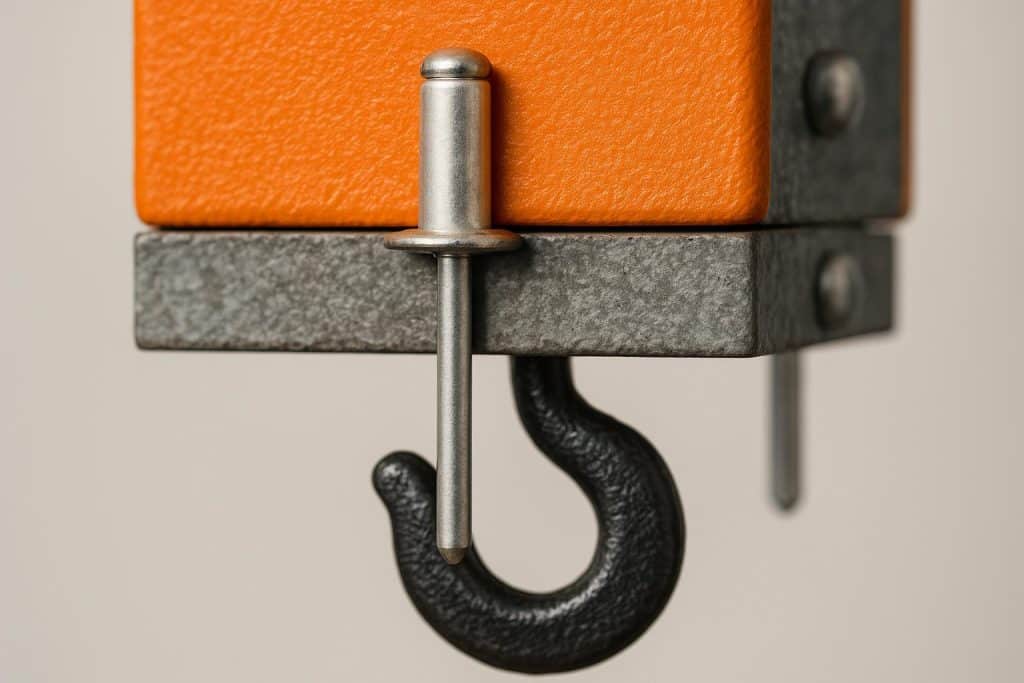
Not every fastener belongs in every joint. Blind rivets have earned their place in automotive, aerospace, and construction work because they install from one side, making them ideal for tight spots. But that ease of use can create a false sense of security. A rivet that looks seated properly might still lack the capacity to handle real stress. When a joint gives out, the consequences range from cosmetic damage to full structural failure. So the question matters: can each rivet in an assembly actually support the force acting on it?
How Load Capacity Works in Rivet Joints
Two ratings define a rivet’s strength: shear and tensile. Shear strength indicates how much lateral force a fastener can resist before breaking. Tensile strength measures how hard something can be pulled before the joint separates. Material composition, diameter, and grip range all feed into those numbers.
Static connections are forgiving. Joints exposed to vibration or repeated movement are not. Fabricators and engineers need to cross-reference published load ratings with the actual forces at play. Sourcing blind rivets for sale through a reliable supplier gives access to accurate specification sheets and consistent manufacturing quality. Checking those data sheets before committing to a purchase helps pair each fastener with the right application, reducing early failure.
Material Selection and Its Impact on Strength
Aluminum Rivets
Aluminum is the go-to option for lighter assemblies. It handles corrosion well and keeps weight low, which matters in electronic housings and thin-gauge sheet metal enclosures. It does sacrifice raw holding power compared to heavier alternatives.
Steel and Stainless Steel Rivets
Steel rivets carry substantially more shear and tensile capacity. Stainless steel adds corrosion resistance, a clear advantage for outdoor installations or marine settings. Heavy equipment brackets and structural panels often require this level of strength.
Choosing the Right Alloy
The rivet material should match the base material as closely as possible. Joining two dissimilar metals creates conditions for galvanic corrosion, which eats away at the connection point and weakens the bond over months or years.
Diameter and Grip Range Considerations
A larger rivet diameter spreads the force across a greater surface area, raising the joint’s overall capacity. Sizes typically run from 1/8 inch to 1/4 inch, and each step up delivers a measurable gain in strength.
Grip range covers the combined thickness of the materials being fastened. Too short a grip leaves the mandrel improperly seated. A too-long grip produces a loose fit. Either mistake undermines the connection and can lead to rattling, shifting, or outright separation under sustained pressure.
Signs That a Rivet Joint Is Underperforming
Catching problems early saves money and prevents dangerous failures. If the area around a rivet head shows visible warping, the fastener is absorbing more stress than it was rated for. Fine cracks spreading outward from the hole point to fatigue building in the surrounding material.
Clicking or popping sounds during operation usually mean a joint has loosened. Scheduled inspections help identify these issues before they escalate into a larger structural problem. Swapping out a handful of weak fasteners is far cheaper than repairing or replacing damaged panels.
Best Practices for Proper Installation
A high-quality rivet still fails if the installation is sloppy. Hole preparation sets the foundation. The drilled opening should closely match the recommended diameter, leaving only minimal clearance. Holes that are too large reduce clamping force and allow the fastener to shift inside the joint.
The setting tool also needs to match the rivet’s type and size. Wrong tooling can crush the body or leave the mandrel only partially engaged. Applying even squeeze pressure across every fastener in the assembly keeps load distribution uniform. Missing this step creates isolated weak spots that absorb far more stress than they should.
When To Upgrade to a Structural Rivet
Standard pull-type fasteners cover most general-purpose needs. But joints exposed to heavy vibration or significant load-bearing may demand something stronger. Structural rivets retain the mandrel inside the body after installation, and that locked stem adds considerable shear and tensile capacity over conventional designs.
Safety-critical assemblies, machinery guards, and transportation components often require this upgrade. Published load charts make the comparison straightforward, showing exactly where a standard option falls short and a structural variant picks up the slack.
Conclusion
Cost and availability should never be the only factors driving rivet selection. Shear and tensile ratings, material compatibility, proper hole sizing, and correct tool usage all determine whether a joint holds or gives way. Regular inspections provide one more layer of assurance against unexpected breakdowns. Paying attention to these details keeps assemblies tight, functional, and safe for as long as the application demands.