

Key Takeaways
- Frequent inspections and timely upkeep prevent escalation of small problems into dangerous or expensive structural issues.
- Emerging materials, such as self-healing concrete and advanced corrosion-resistant reinforcements, are increasing the durability of concrete constructions.
- Proactive measures, including corrosion inhibitors and protective coatings, substantially lengthen the service life of concrete elements.
Concrete structures are integral to our daily lives, from tall commercial buildings dominating city skylines to vast bridges facilitating transportation. These engineered marvels require vigilant care to ensure both public safety and operational efficiency over decades. Regular attention, coupled with new developments in material science, can help owners and facility managers avoid costly repairs and hazards. For those in urban environments, investing in timely concrete repair Sydney services can make a significant difference in preserving concrete infrastructure.
With infrastructure aging and environmental pressures rising, it’s critical to adopt best practices in maintenance and to embrace innovative solutions. Staying ahead of potential problems not only protects lives but also saves money and resources over the long term.
Understanding the Importance of Regular Maintenance
Timely and regular maintenance forms the bedrock of structural longevity. Skipping or delaying regular checks often leads to unforeseen failures and dramatic cost overruns. For example, an industrial facility in Wisconsin delayed minor caulking repairs, ultimately facing a mandatory $300,000 restoration. More than twenty times what routine maintenance would have cost a decade earlier. This scenario demonstrates how preventive care not only preserves public safety and compliance but also minimizes overall expenditures.
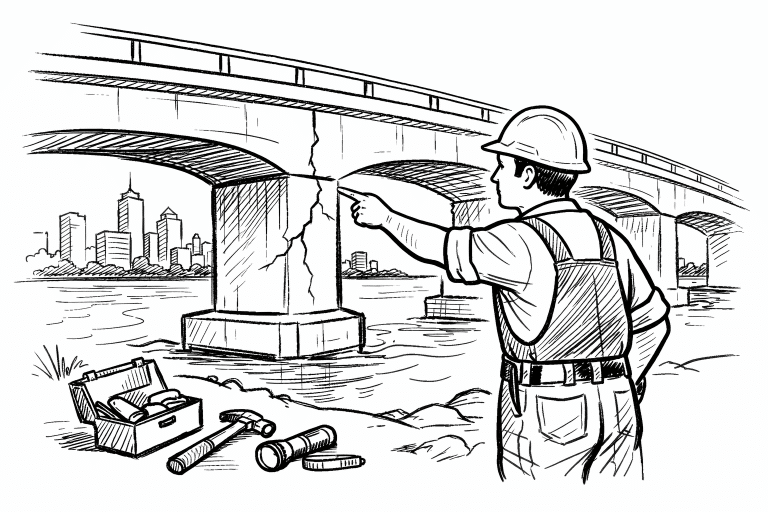
Consistent inspections can catch signs of distress early, such as cracks, spalling, or discoloration, all of which indicate deeper problems. Facility managers and building owners should establish systematic inspection schedules, particularly for structures exposed to harsh climates or chemical exposure.
Innovative Materials Enhancing Durability
Material science has come a long way in making concrete structures more durable, sustainable, and cost-effective to maintain. Modern self-healing concrete employs bacteria or enzymes activated by moisture, which fill and seal cracks automatically over time. This ability to “self-repair” limits the migration of water and corrosive agents into the reinforcing steel, stopping corrosion before it starts.
Similarly, the development of stainless steel-clad rebar and composite materials has transformed expectations for concrete lifespan. These alternatives resist corrosion much better than conventional steel, often lasting up to three times longer before showing signs of degradation. Structures utilizing such advancements are likely to require fewer repairs, even in aggressive environments like coastal or cold regions, as outlined by Frontiers of Structural and Civil Engineering in their studies on material performance.
Proactive Strategies for Longevity
Applying a proactive approach to maintenance is critical when aiming for decades of safe and reliable service. Corrosion-inhibiting technologies, such as Migrating Corrosion Inhibitors (MCI®), are increasingly being used in both new construction and restoration projects. These inhibitors chemically protect the steel reinforcements from corrosive agents, especially in structures exposed to salts or marine spray.
Protective coatings and sealants are equally essential. By forming impermeable barriers over the concrete’s surface, they prevent water, chlorides, and contaminants from reaching the internal steel. Regular application ensures ongoing protection, particularly in environments subject to frequent freeze-thaw cycles or chemical exposure.
Addressing Environmental Challenges
Concrete infrastructure faces continual threats from the natural environment. Freeze-thaw cycles can cause internal micro-cracks as expanding ice stresses the structure. De-icing chemicals and marine salts accelerate rusting of embedded steel, leading to spalling and loss of structural capacity. To counteract these threats, it is vital to use concrete mixes with supplementary cementitious materials, air-entrainment agents, and to select reinforcement types suited for aggressive environments.
Regularly scheduled reviews by experienced engineers, especially after periods of extreme weather, help detect early signs of deterioration. Environmentally resilient solutions not only extend structure lifespan but optimize future repair budgets.
Collaborative Efforts in Maintenance
Maintenance best practices continue to evolve due to strong collaboration between academic researchers and industry professionals. Joint initiatives have produced affordable repair methods, quick-setting products, and diagnostic tools that reduce both downtime and costs. Such partnerships ensure that maintenance techniques are constantly improving and stay ahead of new challenges, allowing for scalable solutions suitable for projects of any size.
Implementing Effective Maintenance Plans
A comprehensive maintenance plan incorporates scheduled inspections, prompt repairs, and utilizes cutting-edge materials and preventive technologies. Stakeholders should treat maintenance planning as a critical operational layer, ensuring ongoing education and training for all involved personnel. Clear documentation and accountability, supported by reliable technology, shift maintenance from reactive to preventive, assuring both extended structure life and public safety.
Conclusion
The durability of concrete infrastructure is not guaranteed by design alone. Rather, it is a product of informed maintenance practices, the adoption of innovative materials, proactive protection strategies, and cross-sector collaboration. By embedding these principles in construction and management routines, we provide future generations with safer, more reliable, and more sustainable concrete structures.