

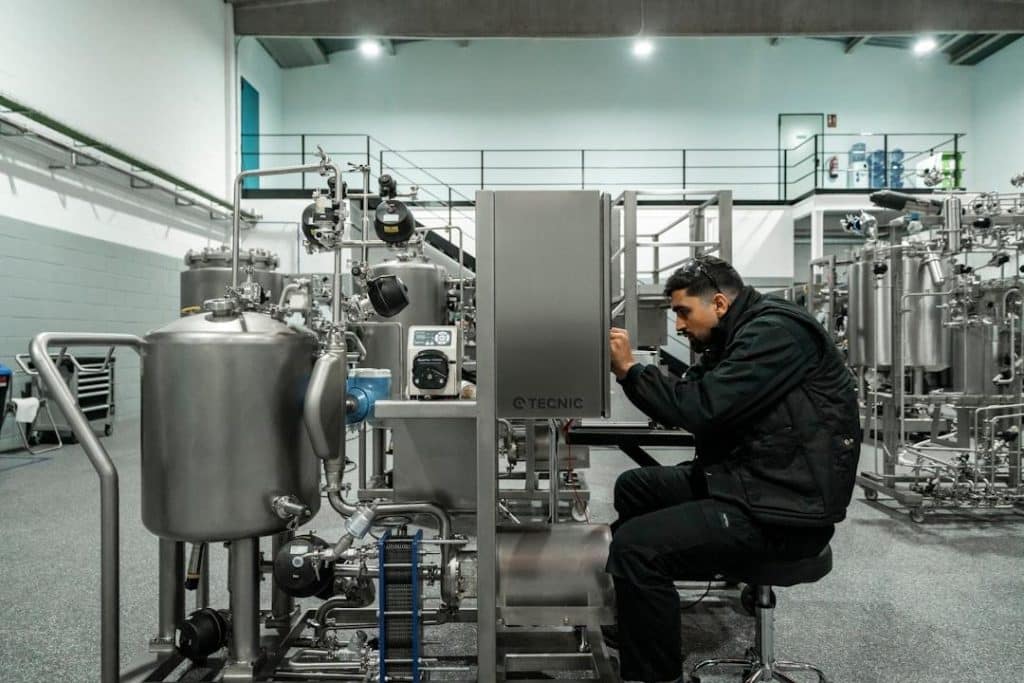
Core Components of Mechanical and Electrical Systems
The intricate dance between mechanical and electrical systems forms the operational heart of any modern building. These systems are not merely add-ons but fundamental elements engineered to provide comfort, safety, and functionality.
Mechanical Systems: The Lifeblood of Comfort and Safety
Mechanical systems are responsible for the physical environment and essential utilities within a structure. Their primary purposes include climate control, water management, and occupant safety.
- HVAC (Heating, Ventilation, and Air Conditioning): This system is paramount for maintaining thermal comfort and indoor air quality. Components include boilers, chillers, air handling units (AHUs), ductwork, and various fans. HVAC systems regulate temperature, humidity, and air circulation, ensuring a healthy and productive environment. For instance, advanced systems in April 2026 often feature heat recovery ventilators (HRVs) and energy recovery ventilators (ERVs) to minimize energy waste.
- Plumbing: Beyond simply delivering potable water and removing wastewater, modern plumbing systems are complex networks. They encompass hot and cold water distribution, sanitary drainage, storm drainage, and specialized systems for fire suppression and process water. Key components include pipes, pumps, water heaters, and fixtures, all designed to meet stringent health and safety standards.
- Fire Protection: Crucial for life safety and property preservation, fire protection systems include sprinklers, standpipes, fire alarms, and smoke control systems. These systems are designed to detect fires early, alert occupants, and suppress flames, often integrating with the building’s electrical and communication networks for coordinated response.
- Vertical Transportation: Elevators, escalators, and moving walkways are essential mechanical systems in multi-story buildings. They facilitate the efficient movement of people and goods, requiring robust electrical power, sophisticated control systems, and rigorous safety protocols.
Electrical Systems: Powering Functionality and Connectivity
Electrical systems provide the necessary energy and infrastructure for all building operations, from basic lighting to advanced communication.
- Power Distribution: This is the backbone of a building’s energy supply, encompassing the main service entrance, transformers, switchgear, circuit breakers, and wiring that distribute power throughout the facility. Its purpose is to deliver reliable and safe electricity to all connected loads, from HVAC units to individual outlets.
- Lighting: Beyond simple illumination, modern lighting systems integrate energy efficiency and aesthetic design. They include various fixture types, control systems (dimmers, occupancy sensors), and emergency lighting, all designed to enhance visual comfort, safety, and energy conservation. The shift towards LED technology continues to dominate in April 2026, offering significant energy savings and extended lifespans.
- Communication Systems: These systems are vital for connectivity and data exchange. They include structured cabling for data networks (Ethernet, fiber optics), telephone systems, public address systems, security cameras, access control, and increasingly, integrated smart building technologies. They ensure seamless information flow and enhance building management.
The synergy between these mechanical and electrical components is critical. For example, HVAC systems rely on electrical power for their motors and controls, while fire alarm systems need electrical power to operate and communicate with mechanical smoke control systems. The comprehensive integration of these systems is often managed by specialized providers, like those offering robust ServiceWorks mechanical and electrical systems, ensuring optimal performance and reliability.
System Type Primary Function Key Components Interdependencies Mechanical Climate control, water management, fire suppression, vertical movement HVAC units, pumps, pipes, sprinklers, elevators Relies on electrical power and controls; influences electrical load Electrical Power distribution, lighting, communication, safety Wiring, circuit breakers, lighting fixtures, data networks Powers mechanical systems; enables control and communication Precision in Mechanical and Electrical Systems Controls
The efficiency and effectiveness of modern building systems hinge on advanced control technologies. Direct Digital Control (DDC) systems, Variable Frequency Drives (VFDs), and Programmable Logic Controllers (PLCs) are at the forefront of this evolution.
- Direct Digital Control (DDC): DDC systems utilize microprocessors to automate and manage building functions. They offer unparalleled precision, capable of maintaining temperature within 1.0°F, humidity within 2.0%, and airflow within several percent of design rates. This level of control optimizes energy use, enhances occupant comfort, and provides detailed operational data for analysis and troubleshooting.
- Variable Frequency Drives (VFDs): VFDs control the speed of AC electric motors by varying the frequency and voltage of the power supplied to them. In HVAC systems, VFDs are commonly used on pumps and fans, allowing them to operate at optimal speeds based on demand rather than always running at full capacity. This significantly reduces energy consumption and wear on equipment.
- Programmable Logic Controllers (PLCs): PLCs are industrial digital computers adapted for the control of manufacturing processes or, in building contexts, for complex sequences in mechanical systems. They are robust, reliable, and capable of handling multiple inputs and outputs, making them ideal for tasks like managing boiler sequences or chiller plant operations.
These control technologies are often integrated into a larger Building Management System (BMS), which provides a centralized platform for monitoring, controlling, and optimizing all building services. This integration allows for sophisticated scheduling, fault detection, and energy management strategies. The ability to precisely manage and optimize these systems is a hallmark of high-performing buildings, and a key offering from experts in ServiceWorks mechanical and electrical systems.
Integration of Building Subsystems
The successful operation of a building’s mechanical and electrical systems relies heavily on meticulous coordination and integration. From the initial design phase, mechanical and electrical design teams must collaborate closely with architects and structural engineers. This coordination is critical for several reasons:
- Avoiding Conflicts: Without proper planning, mechanical ducts, pipes, and electrical conduits can clash, leading to costly redesigns and construction delays. Building Information Modeling (BIM) has become an indispensable tool in April 2026 for visualizing these systems in 3D, identifying potential conflicts before they arise.
- Space Allowances: Mechanical and electrical equipment, as well as the pathways for their distribution (ducts, pipes, cable trays), require significant space. Architects must account for these space requirements early in the design to ensure adequate room for installation, maintenance, and future upgrades without compromising architectural aesthetics or functionality.
- Utility Connections: The seamless connection to external utilities (water, gas, electricity, telecommunications) and internal distribution networks is a complex task. Coordinated design ensures that all necessary connections are properly sized, located, and accessible.
- Optimizing Performance: True integration goes beyond avoiding clashes; it aims to optimize the combined performance of all systems. For example, a well-integrated system might use waste heat from electrical equipment to supplement a building’s heating, or dynamically adjust lighting levels based on daylight availability and occupancy detected by the HVAC system. This holistic approach maximizes efficiency, reduces operational costs, and enhances the overall occupant experience.
Professional Training and Career Pathways
The complexity and critical nature of mechanical and electrical systems necessitate a highly skilled workforce. Vocational and technical programs play a vital role in preparing individuals for these demanding careers.

Mechanical-Electrical Technology (MET) programs, such as those offered at institutions like Sacramento City College, provide comprehensive training for entry-level technicians. These programs typically offer various credentials to suit different career aspirations:
- A.S. Degree in Mechanical-Electrical Technology: This requires 48 units of coursework, providing a broad and deep understanding of both mechanical and electrical principles. Graduates are equipped for advanced roles in design, installation, and maintenance.
- Mechanical Systems Technician Certificate: A more focused pathway, this certificate typically requires 24 units, concentrating on the practical skills needed for mechanical system operation and maintenance.
- Mechanical-Electrical Technology Certificate: Also requiring 48 units, this certificate mirrors the A.S. degree in coursework but may be preferred by students seeking direct entry into the workforce without a general education component.
Graduates from these programs are in high demand across various sectors. Common career opportunities include:
- Stationary Engineer: Operates and maintains building systems in large commercial or industrial facilities, including HVAC, boilers, and power generation equipment.
- Air Conditioning/Refrigeration Technician: Specializes in the installation, maintenance, and repair of HVAC/R systems.
- Maintenance Mechanic: Performs a wide range of maintenance tasks on mechanical and electrical equipment within a building or industrial setting.
- Boiler Operator: Specializes in the safe and efficient operation of boilers and associated steam systems.
- Automatic Control Technician: Focuses on the installation, programming, and troubleshooting of DDC, VFD, and PLC systems.
Essential certifications, such as EPA certification for refrigerant handling, are often integrated into the curriculum, ensuring graduates are compliant with industry regulations.
Skills for Modern Mechanical and Electrical Systems
Success in the mechanical and electrical fields requires a blend of technical expertise and practical skills. Programs emphasize:
- Troubleshooting and Repair: The ability to diagnose and fix complex system malfunctions is paramount. This involves understanding system logic, using diagnostic tools, and applying problem-solving methodologies.
- Drafting and Blueprint Reading: Technicians must be able to interpret engineering drawings, schematics, and blueprints, as well as create freehand sketches for field applications or documentation.
- Safety Standards (e.g., Cal/OSHA 10): Workplace safety is non-negotiable. Training often includes certifications like Cal/OSHA 10 for general industry, covering hazard recognition, prevention, and emergency procedures.
- Refrigerant Handling and Environmental Regulations: For HVAC/R technicians, proper refrigerant handling, recovery, and recycling are critical due to their environmental impact. Compliance with EPA regulations and Federal Refrigerant Transition and Recovery Certification is a core component of training.
- Preventive Maintenance: Understanding and implementing periodic equipment maintenance schedules and maintenance contracts are crucial for long-term system reliability and efficiency.
Advanced Laboratory Training
Hands-on experience is a cornerstone of effective MET education. Students gain practical skills through laboratory work with real-world equipment, preparing them for the challenges of industrial and commercial settings. Typical laboratory setups include:
- Water-cooled Chillers and Cooling Towers: Students learn the operation, maintenance, and troubleshooting of large-scale cooling systems used in commercial buildings.
- Steam and Hot Water Boilers: Training covers the safe operation, control, and maintenance of various boiler types, including understanding steam distribution and condensate return systems.
- Thermal Energy Storage: Labs may feature systems that store thermal energy (e.g., ice storage) for later use, demonstrating demand-side management and energy efficiency strategies.
- Heat Reclaim and Power Management: Students explore technologies that capture and reuse waste heat, and learn about power distribution and energy management techniques to optimize building performance.
- Configuring and Programming Advanced Controls: Practical sessions involve setting up and programming DDC systems, VFDs, and PLCs, allowing students to apply theoretical knowledge to real control scenarios. This includes working with pneumatic controls, which are still prevalent in many older, but still functional, systems.
This immersive training ensures that graduates are not just theoretically knowledgeable but also practically proficient, capable of stepping into demanding roles with confidence.
Industrial Protection and Cable Management
In the demanding environments where mechanical and electrical systems operate, robust protection and meticulous cable management are not just best practices—they are necessities for safety, reliability, and longevity.
The Imperative of Protection
Industrial settings, from aerospace to automated manufacturing, expose wiring and hoses to a myriad of hazards: extreme temperatures, chemical exposure, abrasion, and mechanical stress. Effective protection strategies are essential to prevent system failures, reduce downtime, and ensure worker safety.
- Abrasion Resistance: Wires and hoses constantly rub against sharp edges, moving parts, or other components. Protective coverings prevent wear and tear, extending the lifespan of critical conductors and fluid lines.
- Wire Breakouts and Bundling: Complex machinery often requires wires and hoses to branch off from a main bundle. Solutions that allow for organized breakouts maintain system integrity and ease troubleshooting. Bundling multiple lines together prevents tangling and creates a cleaner, safer operational environment.
- Color-Coded Labeling: Clear identification of wires and hoses through color-coding or labeling systems is crucial for efficient installation, maintenance, and rapid fault diagnosis.
- Compliance with Standards: Industrial protection products must meet stringent international standards like ISO 9001:2015 for quality management, REACH (Registration, Evaluation, Authorisation and Restriction of Chemicals) for chemical safety, and RoHS (Restriction of Hazardous Substances) for environmental protection.
One highly effective solution for protecting and organizing cables and hoses in these challenging environments is the use of specialized wraps, such as a Heli-Tube® Spiral Wrap. These wraps provide continuous protection while allowing for flexible routing and easy access for maintenance.
Material Specifications for System Longevity
The choice of material for cable and hose protection is critical and depends heavily on the specific environmental conditions and performance requirements.
- PTFE (Polytetrafluoroethylene): Known for its exceptional chemical inertness, high-temperature resistance (from -320°F to 500°F), and low friction, PTFE is ideal for harsh chemical environments, high-temperature applications, and situations requiring sterile conditions. Its non-flammable nature adds an extra layer of safety.
- Nylon: Offers excellent abrasion resistance, good mechanical strength, and a wide operating temperature range. It’s a versatile choice for general industrial applications where durability is key.
- Polyethylene: Provides good flexibility, impact resistance, and a broad temperature range (from -76°F to 190°F). UV-resistant variants are suitable for outdoor applications, while non-flammable grades enhance safety in various settings.
These materials, often formed into spiral wraps or other protective sleeves, ensure that wires and hoses remain intact and functional for extended periods, contributing to the overall reliability of mechanical and electrical systems. For specialized applications requiring robust and versatile protection, exploring options like the Heli-Tube system wrap can provide tailored solutions.
Specialized Industrial Applications
The need for robust cable and hose protection extends across a multitude of industries, each with its unique challenges:
- Aerospace: Aircraft systems, as detailed in texts like “Aircraft Systems: Mechanical, Electrical and Avionics Subsystems Integration,” rely on extremely durable and lightweight protection for critical wiring harnesses and hydraulic lines, which must withstand vibrations, extreme temperatures, and pressure changes.
- Robotics: Robotic arms and automated machinery involve constant movement and tight bending radii. Flexible, abrasion-resistant wraps protect power and data cables, preventing fatigue and ensuring continuous operation.
- Public Utilities: In power generation, transmission, and water treatment facilities, cables and hoses are exposed to outdoor elements, chemicals, and mechanical stress. Protective coverings safeguard infrastructure and maintain service reliability.
- Automated Manufacturing: Production lines with high-speed machinery and corrosive agents demand protection that can endure harsh conditions while maintaining system organization and flexibility.
- Marine and Boat Manufacturing: Saltwater, UV radiation, and constant motion pose significant threats. Specialized, corrosion-resistant protection is essential for electrical systems and hydraulic lines on vessels.
- Pneumatic Tubes and Hose Protection: Beyond electrical cables, pneumatic and hydraulic hoses also require protection from external damage, kinking, and abrasion to ensure uninterrupted fluid transfer.
In all these applications, selecting the right protective solution is a critical engineering decision that impacts safety, performance, and operational costs.
Maintenance Standards and Safety Protocols
Ensuring the long-term reliability and safe operation of mechanical and electrical systems hinges on adherence to rigorous maintenance practices and safety standards.
Proactive Maintenance and Regulatory Compliance
- Preventive Maintenance: Regular, scheduled maintenance is crucial for maximizing equipment lifespan and preventing costly breakdowns. This includes routine inspections, lubrication, filter changes, and calibration of control systems. Proactive maintenance reduces emergency repairs, optimizes energy consumption, and maintains system efficiency.
- Cal/OSHA Standards: In California, Cal/OSHA sets and enforces safety and health standards in the workplace. For mechanical and electrical systems, this includes regulations for lockout/tagout procedures, electrical safe work practices, confined space entry, and proper handling of hazardous materials. Compliance is essential to protect workers and avoid penalties.
- UL 508A Certification: For industrial control panels, UL 508A certification signifies that the panel has been constructed to meet specific safety standards. This ensures that the electrical components, wiring, and enclosure are designed and assembled to minimize electrical hazards.
- Grounding and Bonding: Proper grounding and bonding are fundamental to electrical safety. Grounding provides a safe path for fault currents, preventing electrocution and equipment damage. Bonding ensures electrical continuity between conductive parts, reducing potential differences. These practices are critical for protecting personnel and sensitive electronics.
- ESD (Electrostatic Discharge) Protection: In environments with sensitive electronic components, ESD protection measures—such as anti-static mats, wrist straps, and proper grounding—prevent damage caused by static electricity.
Essential Safety Gear for M&E Technicians:
- Safety glasses or face shields
- Insulated gloves (for electrical work)
- Hard hats
- Steel-toed boots
- Hearing protection
- Flame-resistant clothing (where arc flash hazards exist)
- Lockout/Tagout devices
- First aid kit and emergency contact information
Thermal Cutting and Fabrication
Precision in fabrication is often required for various components within mechanical and electrical systems, particularly for insulating materials or specialized coverings. Tools like a hot knife, operating at 60 Watts and reaching temperatures up to 900°F, are used for:
- Clean Cuts: Providing clean, sealed edges on synthetic fabrics, ropes, and plastics, preventing fraying. This is particularly useful in creating custom-fit covers or insulation for mechanical components.
- Precision Fabrication: Enabling precise cutting for applications such as awnings, sailcloth, and various industrial textiles used in system enclosures or protective barriers. This ensures that protective elements fit perfectly, offering maximum effectiveness.
These tools contribute to the high standards of fabrication required for robust and reliable system installations.
Reliability and Compliance
The long-term success of any building or industrial facility is directly tied to the reliability of its mechanical and electrical systems.
- Equipment Lifespan: Proper installation, regular maintenance, and adherence to manufacturer specifications significantly extend the operational lifespan of equipment, delaying costly replacements.
- Reduced Downtime: Proactive maintenance and robust system design minimize unexpected failures, leading to less operational downtime and increased productivity.
- Maintenance Contracts: Engaging in comprehensive maintenance contracts with qualified service providers ensures that systems receive expert care, often including emergency response and predictive maintenance technologies.
- Periodic Inspections: Regular inspections by certified professionals can identify potential issues before they escalate, ensuring ongoing compliance with codes and standards.
- Regulatory Compliance: Staying abreast of evolving local, national, and international regulations (e.g., building codes, environmental standards) is crucial. Compliance not only avoids legal repercussions but also ensures that systems operate safely and sustainably.
- Workplace Success: A safe, efficient, and reliable operational environment fostered by well-maintained M&E systems contributes directly to workplace success, employee satisfaction, and business continuity.
Frequently Asked Questions about Mechanical and Electrical Systems
Why is the integration of mechanical and electrical systems critical for building safety?
The integration of mechanical and electrical systems is paramount for building safety because many safety functions rely on their coordinated operation. For example, fire protection systems (mechanical) depend on electrical power for alarms, pumps, and smoke control fans. In an emergency, if these systems are not seamlessly integrated, a power failure could render fire suppression or evacuation systems ineffective. Proper integration ensures that emergency power systems automatically kick in, and various safety components communicate and respond in a synchronized manner, safeguarding occupants and property. Without this synergy, individual system failures could cascade, leading to severe safety compromises.
What career opportunities exist for graduates in mechanical-electrical technology?
Graduates in mechanical-electrical technology have a wide array of career opportunities in various sectors, including commercial buildings, industrial plants, and utility companies. Common roles include Stationary Engineer, Air Conditioning/Refrigeration Technician, Maintenance Mechanic, Boiler Operator, and Automatic Control Technician. These professionals are responsible for installing, maintaining, troubleshooting, and repairing complex HVAC/R systems, power distribution networks, lighting, and advanced building automation controls. The demand for skilled technicians who can manage and optimize these integrated systems continues to grow, especially with the increasing focus on energy efficiency and smart building technologies.
How does the use of spiral wrap improve industrial system maintenance?
Spiral wrap significantly improves industrial system maintenance by providing organized, protected, and easily accessible cable and hose bundles. Its open-spiral design allows for quick breakouts and rerouting of individual lines without disassembling the entire bundle, simplifying modifications and repairs. Furthermore, it protects against abrasion, chemicals, and extreme temperatures, extending the lifespan of critical components and reducing the frequency of maintenance. The ability to color-code or easily label wrapped bundles also aids in rapid identification and troubleshooting, minimizing downtime and enhancing overall operational efficiency.
Conclusion
As we look towards April 2026 and beyond, the role of mechanical and electrical systems in creating sustainable, efficient, and safe built environments continues to expand. From the fundamental components of HVAC, plumbing, and power distribution to the sophisticated precision offered by DDC, VFD, and PLC controls, these systems are the unseen architects of modern comfort and functionality.
The importance of proper design, integration, and ongoing maintenance cannot be overstated. It is through meticulous coordination, adherence to safety standards like Cal/OSHA and UL 508A, and the application of advanced protection solutions like spiral wrap for wiring and hoses, that long-term reliability is achieved. Moreover, the dedication to professional training, exemplified by comprehensive MET programs and hands-on laboratory experience, ensures a steady supply of skilled technicians ready to meet the evolving demands of this critical field.
Investing in robust mechanical and electrical systems and the expertise to manage them is an investment in future-ready infrastructure—buildings that are not only efficient and safe but also adaptable to technological advancements and environmental challenges.
Explore innovative solutions for your mechanical and electrical system needs:
- Discover a wide range of products
- Learn about Heli-Tube® spiral wrap
- Find hot tools for precision work
- Explore Antex soldering irons
- Browse heat shrink tubing options
- View PTFE extruded tubing
- Check out FEP corrugated PTFE convoluted tubing
- See industry applications
- Read about polyethylene spiral wrap applications
- Understand how spiral wrap protects from edges
- Learn about spiral wrap for safety identifiers
- Explore hot tools for carpet installation
- Discover hot tools for cut expandable sleeves
- Find hot tools for cutting gaskets
- Visit your cart
- Heli-Tube system wrap